
Farming

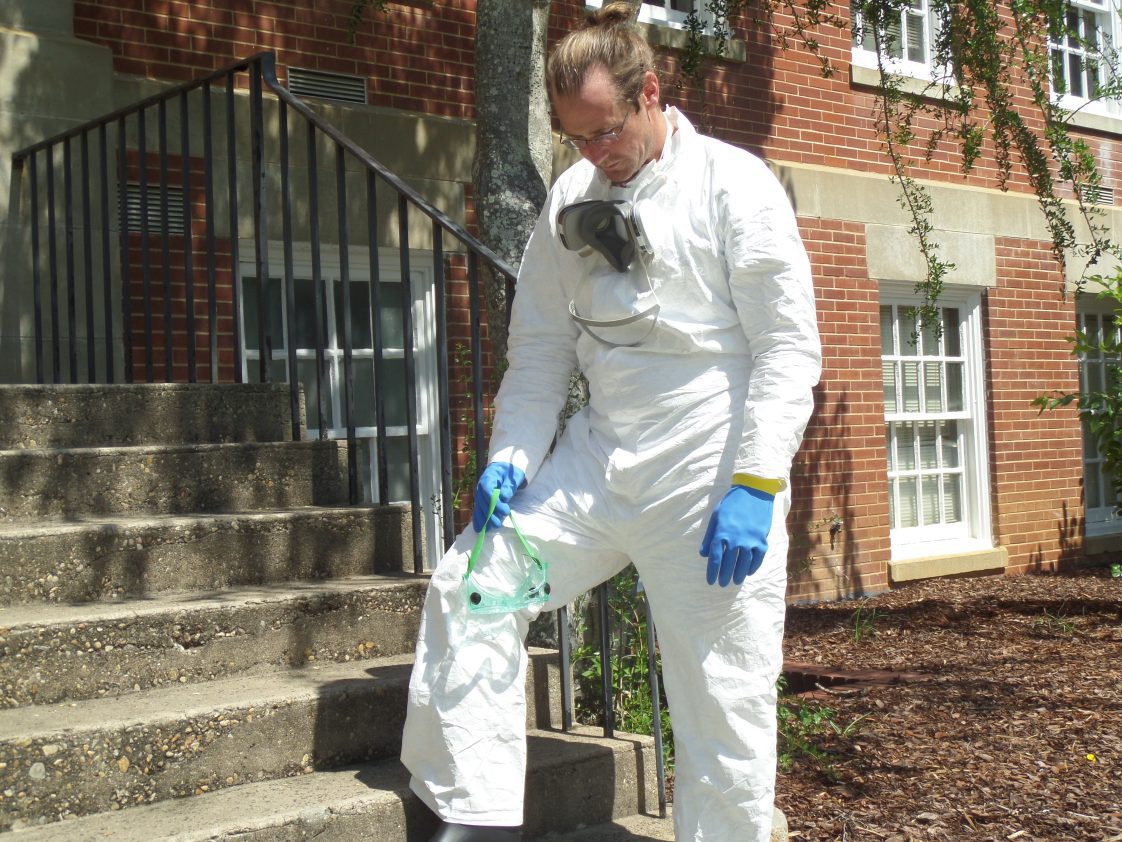
Working in pest control during extreme heat poses real risks, making heat illness a constant concern. Staying safe starts with proactive measures to manage both your environment and physical condition. Key safety tips include the following:
- Stay hydrated. Drink water regularly, not just when you are thirsty.
- Dress appropriately. Choose light-colored, breathable clothing. According to research conducted by Washington State University, only 1 percent of labels require a full-covered suit during pesticide applications. Most require long pants, long-sleeve shirts, and shoes. The latter type of clothing can allow air to circulate, keeping you cool during hot summer days.
- Use sun protection. This includes items such as wide-brimmed hats, cooling towels, and sunscreens with a high sun protection factor (SPF).
- Plan your schedule. Handle the most physically demanding tasks during cooler parts of the day, which is early in the morning or late in the afternoon.
- Take breaks. Rest in shaded or cooled areas to regulate your core temperature.
Heat Exhaustion
Recognizing the early signs of heat exhaustion is just as important as preventing it. Some symptoms to watch for include the following:
- Dizziness or lightheadedness
- Muscle cramps
- Nausea or vomiting
- Rapid heartbeat
- Clammy skin
To stay balanced, keep electrolyte drinks or snacks on hand, and never ignore what your body is telling you. Responding early to heat exhaustion can help you avoid more serious outcomes and keep you sharp and effective in the field.
Heat Stroke
More severe than heat exhaustion, heat stroke is a medical emergency, and it can look very similar to pesticide poisoning. Both may involve the following:
- Confusion or disorientation
- Weakness or fatigue
- Nausea
- Fainting
- Seizures or loss of consciousness in extreme cases
This overlap makes it critical to evaluate your surroundings and recent tasks if symptoms appear. If you are working in high heat or using chemicals and something feels off, stop immediately, get to a cool place, and seek medical attention if symptoms escalate. Recognizing the similarities between these two conditions can help you respond quickly and protect your health on the job.