
Farming

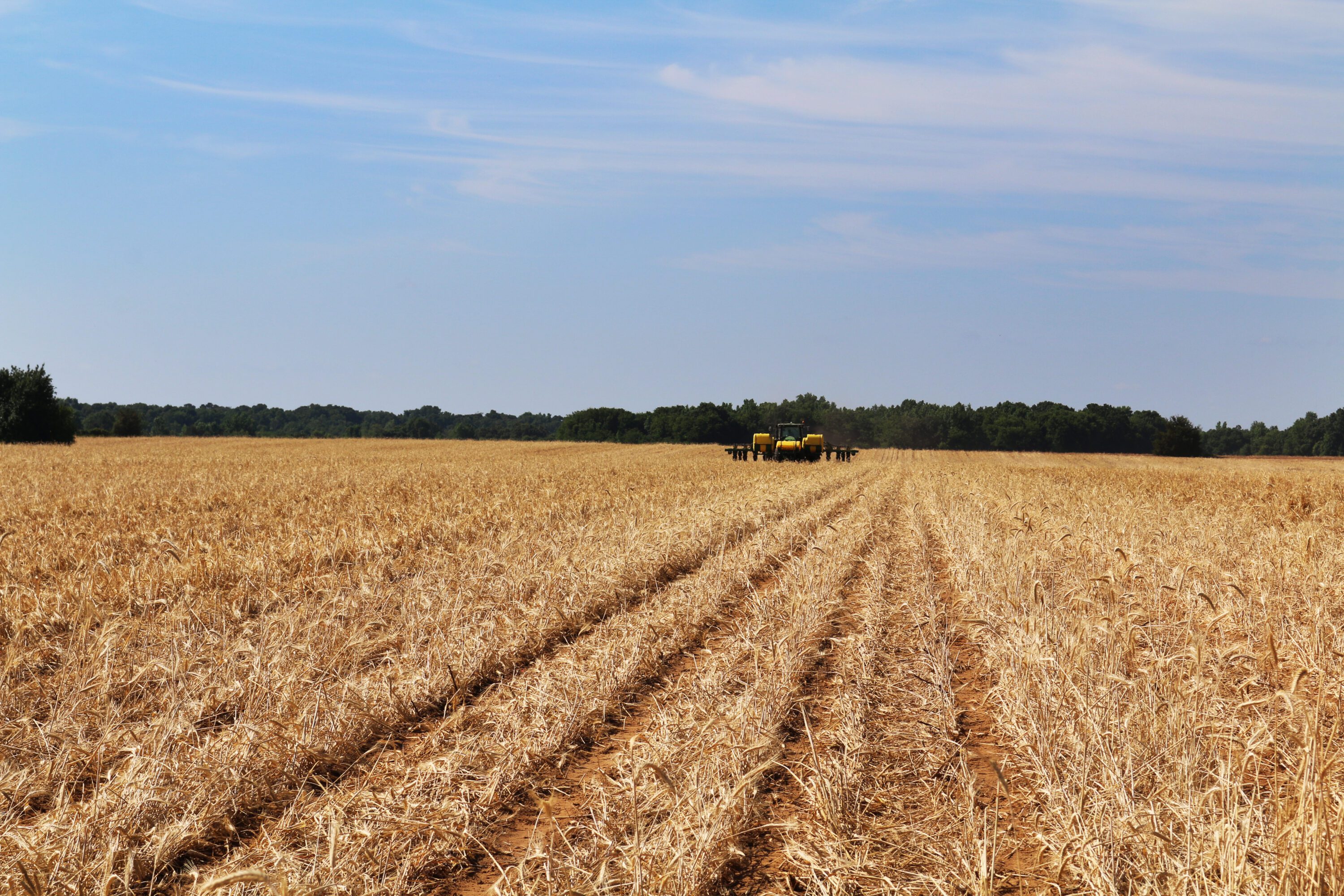
Healthy soils are the foundation of productive and sustainable agriculture, as they support plant growth by enhancing soil moisture retention and efficient nutrient use. However, the sandy soil of the southeastern United States has low organic matter content, exhibits limited microbial activity, requires greater inputs to achieve even marginally profitable crop yields, and has a greater potential for nutrient loss. Thoughtful adoption of practices such as cover crops, poultry litter, plant growth-promoting rhizobacteria, and biochar can increase soil organic matter, improve soil structure, enhance nutrient availability, and stimulate microbial processes. When integrated effectively, these practices offer a viable pathway to building long‑term soil health while sustaining profitable crop production in the sandy coastal plain soils.
What Is Soil Health?
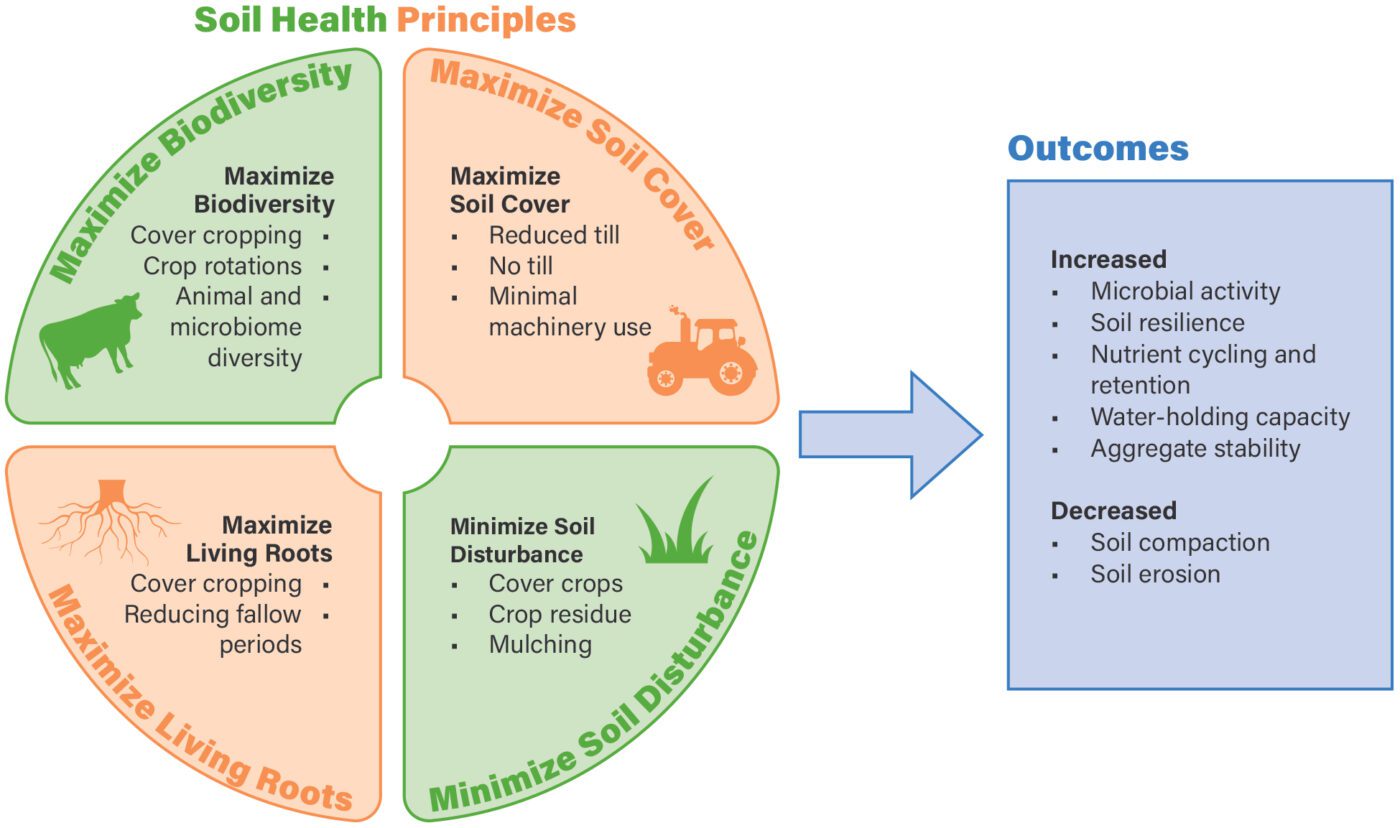
Figure 1. Principles of soil health and their functions in the soil ecosystem
Soil, a fundamental natural resource, supports a wide range of ecosystem services that sustain agricultural production, environmental quality, and human well-being. While multiple definitions of soil health exist in the literature, this study adopts the widely accepted framework defining soil health as “the continued capacity of soil to function as a vital living system, within ecosystem and land-use boundaries, to sustain biological productivity, promote the quality of air and water environments, and maintain plant, animal, and human health”. This definition emphasizes the fundamental importance of biological processes, characterizing soil as a complex and dynamic ecosystem that must simultaneously sustain agricultural productivity, promote biodiversity, regulate hydrological processes, store carbon and essential nutrients, and mitigate risks of environmental contamination (figure 1). Soil health plays a critical role in shaping the nutritional quality and overall well-being of plants, animals, and humans.
Healthy soil is characterized by several key attributes that collectively support sustainable plant growth and overall ecosystem functioning:
- Strong physical structure. Healthy soils maintain stable aggregates formed through the accumulation of organic matter. These aggregates reduce compaction, improve soil porosity, and enhance water-holding capacity. Together, these properties allow roots to penetrate easily, promote aeration, and support efficient infiltration and water retention.
- Chemical balance. A well-functioning soil has a pH within an optimal range for nutrient uptake and provides sufficient plant-available macro- and micronutrients, including nitrogen, phosphorus, potassium, and trace elements. This chemical balance ensures that plants can access the nutrients they need for growth without experiencing toxicity or deficiency
- Biological diversity. Healthy soils support a rich community of bacteria, fungi, and other beneficial microbes. These organisms drive nutrient cycling, enhance organic matter decomposition, and help suppress soilborne pathogens. Microbial diversity is essential for maintaining soil resilience and long-term productivity.
Soil Health Principles
Maximize Biodiversity
- Cover cropping
- Crop rotations
- Animal and microbiome diversity
Maximize Soil Cover
- Reduced till
- No till
- Minimal machinery use
Minimize Soil Disturbance
- Cover crops
- Crop residue
- Mulching
Maximize Living Roots
- Cover cropping
- Reducing fallow periods
Outcomes
Increased
- Microbial activity
- Soil resilience
- Nutrient cycling and retention
- Water-holding capacity
- Aggregate stability
Decreased
- Soil compaction
- Soil erosion
Indicators Defining Soil Health
Soil health is commonly assessed using a range of indicators that reflect how well soil functions under a particular land-use or management system. The soil health indicators discussed in table 1 are grouped into three broad categories: physical (soil structure, compaction, and water movement), chemical (nutrient availability and soil reactions), and biological (microbial activity and the dynamics of organic matter). Together, these categories provide a balanced assessment of soil function.
Table 1. Commonly Used Indicators for Soil Health Assessment
| Parameters | Indicator | What it Represents | Function | Interpretation |
|---|---|---|---|---|
| Physical | Texture | Relative proportion of sand, silt, and clay | Water retention and nutrient exchange capacity | Coarse soils drain quickly; fine soils retain more water |
| Physical | Bulk density | Degree of soil compaction | Root growth, aeration | High values indicate compaction and restricted root growth |
| Physical | Aggregate stability | Measures how well soil aggregates resist breaking down when hit by raindrops | Water infiltration, erosion resistance, and root growth | High values indicate stable soil structure and better resilience to rainfall impact. |
| Physical | Water-holding capacity (WHC) | The maximum amount of water that can be retained in the soil | Plant water availability, drought resilience | Higher WHC facilitates better plant water uptake for sustained crop growth |
| Chemical | pH | Soil acidity or alkalinity | Nutrient availability, microbial activity | Optimal pH improves nutrient uptake |
| Chemical | Electrical conductivity (salinity) | Soluble salt concentration | Controls plant water availability by regulating osmotic pressure in the soil | High salinity causes physiological water stress |
| Chemical | Available nitrogen, phosphorus, and potassium | Plant available nutrients | Nitrogen supports leaf growth and photosynthesis, phosphorus enables root development, and potassium provides drought tolerance | Deficiency limits yield, restricts plant growth, and development |
| Biological | Soil organic matter | Organic carbon reserve | Improves soil microbial activity, soil structure, and nutrient exchange | High soil organic matter improves soil fertility and structure |
| Biological | Active carbon | Labile carbon pool | Serves as an easily available energy source for soil microbes | High active carbon means high microbial activity |
| Biological | Soil respiration | Metabolic activity of the soil microbial community | Microbial decomposition of organic carbon | Higher respiration indicates biologically active soil |
| Biological | Microbial biomass carbon (MBC) | Living component of organic matter in soil | Major driver of carbon, nitrogen, and phosphorus cycling in soil | Sensitive to soil management practices |
| Biological | Potentially mineralizable nitrogen (PMN) | Soil’s ability to biologically supply nitrogen to crops | Measures the soil’s capability to transform the organic nitrogen into plant-available nitrogen for the crops during the crop growth period | Higher PMN indicates a greater capacity of the soil to supply nitrogen |
Soil Health in the Southeastern US Coastal Plain Soil
Soils in the southeastern United States, particularly those in the coastal plain, are highly weathered, inherently low in native fertility, and prone to erosion and organic carbon depletion. These soils are dominated by low activity clays (kaolinite and oxides) and have undergone prolonged leaching under warm, humid conditions. This results in limited soil organic carbon storage. The region’s hot and humid climate further accelerates the decomposition of organic matter, often outpacing carbon inputs from crop residues or cover crops. As a result, maintaining or building soil organic matter in these systems remains a persistent challenge.
The decline in soil organic matter has cascading effects on soil functions. Reduced organic carbon directly limits soil aggregation and water-holding capacity, increasing susceptibility to surface crusting, nutrient runoff, drought, and erosion. Poor soil structure also restricts root proliferation and limits nutrient retention, ultimately affecting nutrient availability and crop productivity. From a biological perspective, low soil organic carbon limits the energy availability to soil microorganisms, leading to reduced microbial biomass, lower enzymatic activity, and suppressed soil respiration. Collectively, these conditions create a soil environment that minimizes soil resilience and affects sustainable crop production.
To evaluate these constraints in a representative production system, a soil health assessment was conducted on a coastal plain soil (Orangeburg series; fine loamy, kaolinitic, thermic Typic Kandiudults) in Alabama that has been under continuous cotton production since 2017. Composite surface (0 to 6 inch) soil samples were collected using multiple cores at each sampling area. Physical, chemical, and biological soil health indicators (table 1) were measured, and the results are summarized in table 2. The soil health indicators were interpreted using the widely applied Cornell Soil Health Assessment framework to provide a general context. However, it is important to note that this framework was developed primarily for Mollisols and Alfisols in temperate regions and may not be fully transferable to highly weathered Ultisols of the southeastern coastal plain. Despite this limitation, the assessment provides useful comparative insights into soil functional constraints and helps identify the key soil limitations of these cropping systems.
The results indicated substantial biological constraints associated with low soil organic matter content, with low active carbon and suppressed soil respiration rates (table 2), reflecting limited availability of labile carbon and potential restrictions in microbial activity. These findings highlight the need for targeted soil health management strategies, including organic amendments, diversified residue inputs, and novel carbon stabilization approaches, to improve the biological functioning and resilience of coastal plain cropping systems in the southeastern United States.
Table 2. Soil Health Parameters of Surface Soils from the Coastal Plains of Alabama
** Ratings are indicative and not absolute. They are provided to facilitate general interpretation of soil health parameters and may vary depending on soil type, climate, and management conditions.
***The rating is for row crops and soil group 1, which consists of sandy soils with low cation exchange capacity. Examples of soil series in this group are Dothan, Orangeburg, Alaga, Ruston, and Troup
| Group | Indicator | Value* | Rating** | Remarks | References |
|---|---|---|---|---|---|
| Physical | Soil texture | Sand = 70%, Silt = 22%, Clay = 8% | Sandy loam | Coarse-textured soil is vulnerable to nutrient leaching | N/A |
| Physical | Bulk density (g cm-3) | 1.65±0.07 | Moderate compaction | 1.80 = restricted root growth | USDA-NRCS (2017) |
| Physical | Water-holding capacity (WHC) (%) | 28.0±3.40 | N/A | Higher WHC supports better plant water availability | N/A |
| Chemical | pH | 6.07±0.11 | Optimum | Soil pH between 6 and 7.5 ideal for crop growth | USDA-NRCS (201 |
| Chemical | Salinity (ds m-1) | 0.06±0.04 | Nonsaline | <2 = nonsaline; 2–4 = very slightly saline; 4–8 = slight saline; 8–16 = moderately saline; ≥16 = strongly saline | USDA-NRCS (2017) |
| Chemical | Extractable P (mg kg-1) | 16.3±2.31 | Medium | ***0–6 = very low; 6.5–12.5 = low; 13–25 = medium; 22.5–50 = high; 50–125 = very high | Alabama Cooperative Extension System (2020) |
| Chemical | Extractable K (mg kg-1) | 68.7±8.57 | High | ***0–15 = very low 16–30 = low; 31–60 = medium; 61–120 = high; 120.5–240 = very high | Alabama Cooperative Extension System (2020) |
| Biological | Soil organic matter (%) | 0.75±0.21 | Very low | 5 = very high | Cornell Soil Health Manual (2017) |
| Biological | Active carbon (mg kg-1) | 93.0±28.9 | Very low | 800 = high biological activity | Cornell Soil Health Manual (2017) |
| Biological | Soil respiration (mg CO2-C kg-1 hr-1) | 3.08±1.03 | Low | 100 = very high | Cornell Soil Health Manual (2017) |
Practices That Can Improve Soil Health in the Southeastern Coastal Plain Soil
Improving soil health in coastal plain soils requires a combination of management practices that can enhance soil organic matter, promote soil biological activity, and reduce soil degradation. Effective strategies include the application of organic manure, the adoption of minimum or conservation tillage, the management of permanent soil residue or cover crops, the use of diverse crop rotations, and reduced dependence on synthetic chemical inputs. Central to all these approaches is the gradual buildup of soil organic matter, which is considered a key driver of improved soil structure, nutrient cycling, and microbial activity.
Organic amendments, such as poultry litter, provide readily available carbon sources that fuel microbial processes and increase nutrient availability. Cover crops complement these benefits by maintaining continuous nutrient cycling, protecting the soil surface from erosion, and enhancing soil aggregation and structure. In recent years, biochar has also attracted attention as a stable, carbon-rich amendment with the potential to enhance soil physical and chemical properties, though its long-term benefits in coastal plain soils remain under evaluation. Another promising strategy involves integrating plant growth–promoting rhizobacteria (PGPR) with soil amendments. PGPR can stimulate microbial activity, improve nutrient transformations in the rhizosphere, and enhance overall biological functioning when used alongside organic inputs.
Together, these practices create a comprehensive soil health management framework that incrementally builds organic matter, strengthens soil biological systems, and improves resilience in coastal plain soils. Improvements in soil health from these practices are gradual and often require sustained management over multiple years. Short-term gains in soil organic matter and function may be observed within 2 to 5 years, particularly with cover crops and conservation tillage. In contrast, long-term rebuilding, especially with organic amendments, can take a decade or more. The magnitude and rate of improvement depend heavily on soil type, climate, and management intensity. The individual components of this integrated approach are discussed in detail below.
Cover Crops
Cover crops are grown between primary cropping cycles to enrich the soil and maintain continuous ground cover, making them a core component of conservation agriculture. Common types include legumes, such as crimson clover and hairy vetch; cereals, such as rye, wheat, and oats; brassicas, such as radish and turnip; and other broadleaf species.
Cover crops improve soil physical conditions by enhancing aggregate stability, reducing erosion, and alleviating compaction, particularly when deep-rooted species such as brassicas are used. In Alabama cotton-legume systems, a study shows that rye and crimson clover can reduce compaction and improve soil structure on ultisols, although benefits are often less pronounced in sandy soils. Cover crops also improve soil chemical conditions by increasing soil organic carbon, participating in biological nitrogen fixation (legumes), absorbing unused fertilizer nutrients (non-legumes), and supplying residual nutrients to the following crop. Cover crops can also reduce nutrient leaching in coarse-textured soils.
Biologically, cover crops supply organic inputs through root biomass and residue, providing energy for soil microorganisms. Active root growth releases exudates that stimulate microbial communities, promoting nutrient cycling and sustaining soil biological activity during fallow periods. Overall, the benefits of cover crops depend on biomass production, soil type, and duration of use. When adopted consistently, cover crops protect soil, retain nutrients, maintain biological activity, and ultimately improve soil health, especially in coarse-textured and erosion-prone landscapes.
Poultry Litter
Poultry litter is a heterogeneous mixture of bedding materials (straw, sawdust, wood shavings, peanut or rice hulls), spilled feed, manure (poultry excreta), and feathers. With rising commercial fertilizer prices, poultry litter has become an economical and effective alternative to synthetic fertilizers. It contains approximately 11 essential plant nutrients, including both macro and micronutrients, and typically has an average fertilizer grade of 3-3-2 (N-P2O5-K2O). Poultry litter generally has an alkaline pH with an elevated level of organic carbon (15 to 25%). Compared to other animal manures, such as pig, horse, cattle, and sheep, it contains substantially higher nutrient concentrations, making it an excellent organic amendment. One ton of broiler litter contains approximately 500 pounds of carbon.
Nutrients in poultry litter are released gradually. Approximately 30 to 80% of N in poultry litter is present in organic form, which must be mineralized by soil microbes before becoming plant available. This helps in reducing early-season nitrogen losses and supplies nutrients throughout the growing season.
Poultry litter application rates should be determined based on soil testing to avoid nutrient buildup, especially phosphorus. When used judiciously, poultry litter can improve soil health by increasing soil organic matter, enhancing soil structure and aggregation, and stimulating microbial activity and nutrient cycling.
New Approaches with Potential to Accelerate Organic Matter Accumulation and Stabilization in the Southeastern Coastal Plain Soils
Plant Growth–Promoting Rhizobacteria
Plant growth–promoting rhizobacteria (PGPR) are beneficial soil microbes that live in close association with plant roots and enhance plant growth, yield, and disease resistance through multiple mechanisms. Common PGPR genera include Azotobacter, Pseudomonas, and Bacillus, which have been reported to enhance plant growth, yield, and nutrient uptake. These microorganisms contribute significantly to agricultural productivity by facilitating key processes such as biological nitrogen fixation, phosphorus solubilization, and the synthesis of plant growth–regulating substances. PGPR also increases root surface area and promotes the release of sugars and organic compounds from plant roots, which serve as energy for microbial metabolism.
In addition to supporting nutrient acquisition, PGPR modulates plant hormone balance, thereby stimulating plant biomass and enhancing nutrient use efficiency. They also strengthen plant defense systems by enhancing tolerance to abiotic (drought, heat waves, etc.) and biotic stresses (pathogens, insects, weeds, etc.) through induced systemic resistance and microbial antagonism.
Studies have found that integrating PGPR into nutrient management strategies can boost microbial respiration, improve carbon cycling, and enhance fertilizer use efficiency. Overall, PGPR supports plant growth through both direct and indirect mechanisms, making it a vital tool for improving soil health and achieving sustainable crop production.
Biochar
Biochar is a carbon-rich material produced from controlled pyrolysis of plant residues, woody biomass, or manure. Pyrolysis is a thermal decomposition process that occurs in the absence or near absence of oxygen. It has attracted significant attention as a promising soil management tool for improving soil quality, enhancing crop productivity, and minimizing nutrient losses through leaching. Biochar has low bulk density, high porosity, large specific surface area, strong buffering capacity, and adsorption capacity.
As a soil amendment, biochar enhances soil physical properties by lowering bulk density and alleviating compaction. Its porous structure supports better water infiltration and increases water-holding capacity. Biochar also improves soil chemical conditions by increasing cation exchange capacity, moderating soil acidity, enhancing nutrient retention, and ultimately reducing nutrient leaching.
While biochar is widely recognized as a beneficial soil health practice, its performance depends heavily on the feedstock used and the pyrolysis conditions, particularly temperature. Key properties, such as pH, nutrient content, and surface area, vary substantially depending on the type of biomass and the thermal treatment it undergoes. Consequently, the agronomic outcomes of biochar application can differ across regions, soil types, management systems, and amendment rates. More research is needed to understand its benefits for coastal plain soil.
Integrated Application of Soil Health Components
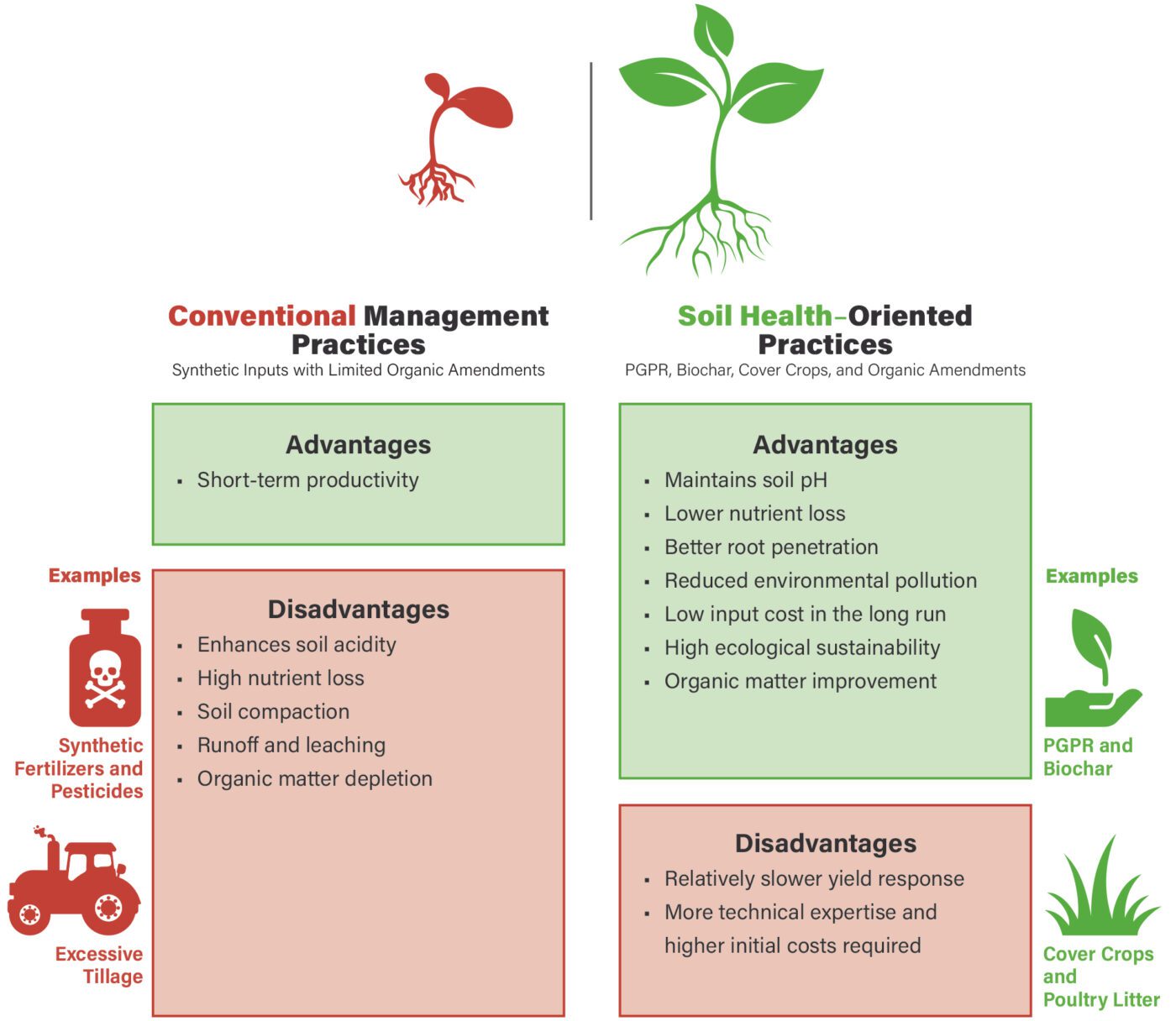
Figure 2. Illustration comparing the advantages of integrated sustainable practices over conventional methods
Each of the soil health practices described above provides distinct agronomic and environmental benefits; however, the greatest and most durable improvements are achieved when these practices are implemented in combination. As illustrated in figure 2, conventional input-based systems and integrated, sustainability-oriented management differ substantially in their effects on plant growth, soil biological function, and long-term system resilience. Integrated approaches are more likely to enhance soil structure, nutrient cycling, and biological activity simultaneously, rather than addressing individual constraints in isolation.
Several controlled environment studies have demonstrated the potential synergistic effects of combined practices. For example, the coapplication of biochar, compost, and plant growth–promoting rhizobacteria (PGPR) under greenhouse conditions has been shown to significantly increase shoot and root biomass as well as chlorophyll content. Similarly, integrating PGPR with biochar-enhanced dry biomass accumulation in tomato seedlings suggests that combined amendments can outperform single-input applications. However, responses to these integrated practices are highly context dependent and often differ between controlled and field environments.
Field-scale studies frequently report delayed or modest yield responses despite measurable improvements in soil properties. In a three-year cotton production study, integrating cover crops with organic amendments improved soil physical and biological indicators but did not result in statistically significant yield increases, suggesting a lag between soil health improvements and crop productivity gains. Likewise, long-term conservation agriculture systems have shown maintained or slightly increased wheat yields over time, rather than producing immediate yield gains. In contrast, a long-term cover cropping study in tomato systems reported both enhanced soil health and increased yields relative to no cover systems, although outcomes varied by cover crop species and environmental conditions.
Collectively, these studies emphasize that integrated soil health practices should be viewed as long-term investments in system sustainability and resilience rather than as short-term solutions for immediate yield enhancement. Their primary value lies in improving soil function, buffering production against climatic variability, and sustaining productivity over time, with yield benefits often emerging gradually rather than instantaneously.
Conventional Management Practices
Synthetic Inputs with Limited Organic Amendments
Examples
- Synthetic Fertilizers and Pesticides
- Excessive Tillage
Advantages
- Short-term productivity
Disadvantages
- Enhances soil acidity
- High nutrient loss
- Soil compaction
- Runoff and leaching
- Organic matter depletion
Soil Health–Oriented Practices
PGPR, Biochar, Cover Crops, and Organic Amendments
Examples
- PGPR and Biochar
- Cover Crops and Poultry Litter
Advantages
- Maintains soil pH
- Lower nutrient loss
- Better root penetration
- Reduced environmental pollution
- Low input cost in the long run
- High ecological sustainability
- Organic matter improvement
Disadvantages
- Relatively slower yield response
- More technical expertise and higher initial costs required
Implications
The use of poultry manure and cover crops has consistently been shown to increase soil carbon content and can be adopted by farmers to improve soil organic matter. However, research examining integrated soil health approaches, such as combining plant growth–promoting rhizobacteria, biochar, poultry litter, and cover crops, remains limited. Additional studies are needed to evaluate potential synergistic effects among these practices and to better understand how combined strategies influence soil health and crop productivity across the region. Identifying the most effective combinations of practices and application methods will support the development of integrated soil health management frameworks that strengthen system resilience and promote sustainable crop production in the coastal plain soils of the southeastern United States.
References
Choudoir, M., & Ozlu, E. (n.d.). Soil health. NC State Extension.
Gruener, C. (2026, February 5). Principles to practices in soil health. Alabama Cooperative Extension System.
Doran, J. W., & Safley, M. (1997). Defining and assessing soil health and sustainable productivity. In C. Pankhurst, B. M. Doube, & V. V. S. R. Gupta (Eds.), Biological indicators of soil health (pp. 1–28). CAB International.
Usharani, K. V., Roopashree, K. M., & Naik, D. (2019). Role of soil physical, chemical and biological properties for soil health improvement and sustainable agriculture. Journal of Pharmacognosy and Phytochemistry, 8(5), 1256–1267.
Crowell, H., Gamble, A. V., Feng, Y., Balkcom, K., & Yang, A. (2022). Impacts of winter grazing on soil health in southeastern cropping systems. Agrosystems, Geosciences & Environment, 5(2), e20240.
U.S. Department of Agriculture, Natural Resources Conservation Service. (2017). Soil survey manual (Agriculture Handbook No. 18). U.S. Government Publishing Office.
Auburn University, Alabama Agricultural Experiment Station. (2020, May). Nutrient recommendations for Alabama row crops (Crop, Soil and Environmental Sciences Departmental Series). Auburn University.
Moebius-Clune, B. N., Moebius-Clune, D. J., Gugino, B. K., Idowu, O. J., Schindelbeck, R. R., Ristow, A. J., van Es, H. M., Thies, J. E., Shayler, H. A., McBride, M. B., Kurtz, K. S. M., Wolfe, D. W., & Abawi, G. S. (2016). Comprehensive assessment of soil health: The Cornell framework (3rd ed.). Cornell University, School of Integrative Plant Science.
Wood, S. A., & Bowman, M. (2021). Large-scale farmer-led experiment demonstrates positive impact of cover crops on multiple soil health indicators. Nature Food, 2(2), 97-103.
Decker, H. L., Gamble, A. V., Balkcom, K. S., Johnson, A. M., & Hull, N. R. (2022). Cover crop monocultures and mixtures affect soil health indicators and crop yield in the southeast United States. Soil Science Society of America Journal, 86(5), 1312-1326.
Zhang, H., Hamilton, D. W., & Payne, J. (2017). Using poultry litter as fertilizer. Oklahoma State University Extension.
Xu, J. (2014). Isolation and assessment of nitrogen-fixing and phosphate-solubilizing bacteria for use as biofertilizers (Doctoral dissertation, Auburn University). Auburn University Electronic Theses and Dissertations.
Liu, Y., Li, H., Hu, T., Mahmoud, A., Li, J., Zhu, R., & Jing, P. (2022). A quantitative review of the effects of biochar application on rice yield and nitrogen use efficiency in paddy fields: A meta-analysis. Science of the Total Environment, 830, 154792.
Nadeem, S. M., Imran, M., Naveed, M., Khan, M. Y., Ahmad, M., Zahir, Z. A., & Crowley, D. E. (2017). Synergistic use of biochar, compost and plant growth‐promoting rhizobacteria for enhancing cucumber growth under water deficit conditions. Journal of the Science of Food and Agriculture, 97(15), 5139-5145
Malik, L., Sanaullah, M., Mahmood, F., Hussain, S., Siddique, M. H., Anwar, F., & Shahzad, T. (2022). Unlocking the potential of co-applied biochar and plant growth-promoting rhizobacteria (PGPR) for sustainable agriculture under stress conditions. Chemical and biological technologies in agriculture, 9(1), 58.
Ankomah, G., Amissah, S., Hollifield, S., Habteselassie, M. Y., Franklin, D. H., Snider, J. L., … & Sintim, H. Y. (2024). Integrating cover crops and organic amendments to mitigate the limitations of tillage on soil health and cotton productivity. Agronomy Journal, 116(5), 2615-2629.
Teng, J., Hou, R., Dungait, J. A., Zhou, G., Kuzyakov, Y., Zhang, J., … & Delgado-Baquerizo, M. (2024). Conservation agriculture improves soil health and sustains crop yields after long-term warming. Nature communications, 15(1), 8785.
Van Eerd, L. L., Chahal, I., Sapkota, A., Norris, C., Awrey, J. C., Loewen, S. A., & Tsao, R. (2025). Long-term cover crop impacts on soil health indicators and processing tomato yield and quality in a temperate humid climate. Renewable Agriculture and Food Systems, 40, e25.

Saloni Jaswal, Graduate Research Assistant, Crop, Soil, and Environmental Sciences; Debolina Chakraborty, Assistant Research Professor, Biosystems Engineering; Soura Shuvra Gupta, Postdoctoral Research Associate, Crop, Soil, and Environmental Sciences; and Rishi Prasad, Extension Specialist, Associate Professor, Crop, Soil, and Environmental Sciences, all with Auburn University
New July 2026, Improving Soil Health Practices in Southeastern US Coastal Plain, ANR-3264
For more information, contact your county Extension office. Visit aces.edu/directory.
Trade and brand names used in this publication are given for information purposes only. No guarantee, endorsement, or discrimination among comparable products is intended or implied by the Alabama Cooperative Extension System.