
Farming

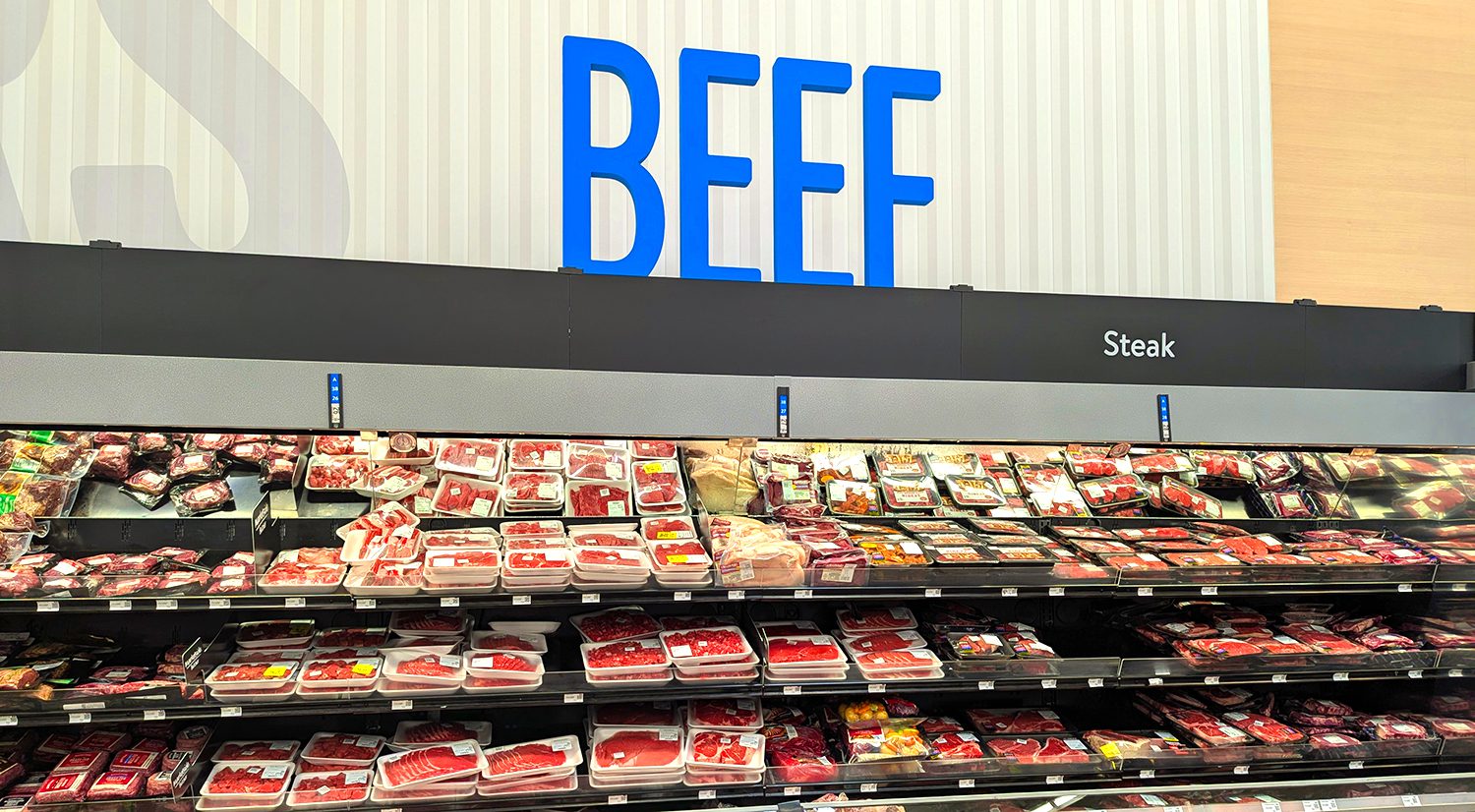
AUBURN UNIVERSITY, Ala. — Over the last three years, consumers have probably noticed that they are paying more for their favorite beef products. While some may think this has cattle farmers watching the money pour in, grocery store price tags do not tell the full story. There are a lot of risks and costs that come with being a cattle farmer, and the profits they make may surprise some consumers.
When looking at the markets for cow-calf operations, it is true that cattle farmers are seeing above-normal profitability right now. Like other commodities, these historically high prices are largely the results of supply and demand. Ken Kelley, an Alabama Extension farm and agribusiness management agent with Auburn University, said there is an incredibly low supply of beef cattle in the U.S.
“We are experiencing the lowest inventory of cattle that many farmers have seen in their lives,” Kelley said. “We have also seen demand stay strong, so the low supply of cattle and high demand for beef have driven prices higher. Because of its quality, people are also willing to pay a premium for American-raised beef.”
Like many other agricultural commodities, cattle production is limited by physical space. Farmers cannot simply increase their cattle inventories if they do not have the land needed for proper herd growth and production. It also takes more land to raise cattle than people may think. Kelley said the optimal land allotment is approximately 2 acres for each brood cow. Also called mama cows, a brood cow is a mature animal that a farmer keeps for breeding calves.
Costs and Limitations
To understand the full story, people have to look at more than the price tag on a package of ground beef. According to the Livestock Market Information Center, the 2026 projected national returns for brood cows is $1,139 per cow. While this seems like a lot of money, Kelley said costs have risen for farmers just like they have for consumers.
“People need to understand that there is a lot of risk involved in cattle production,” Kelley said. “While the projected return is $1,139 per cow, the cost of production is now well over $1,000 per animal per year.”
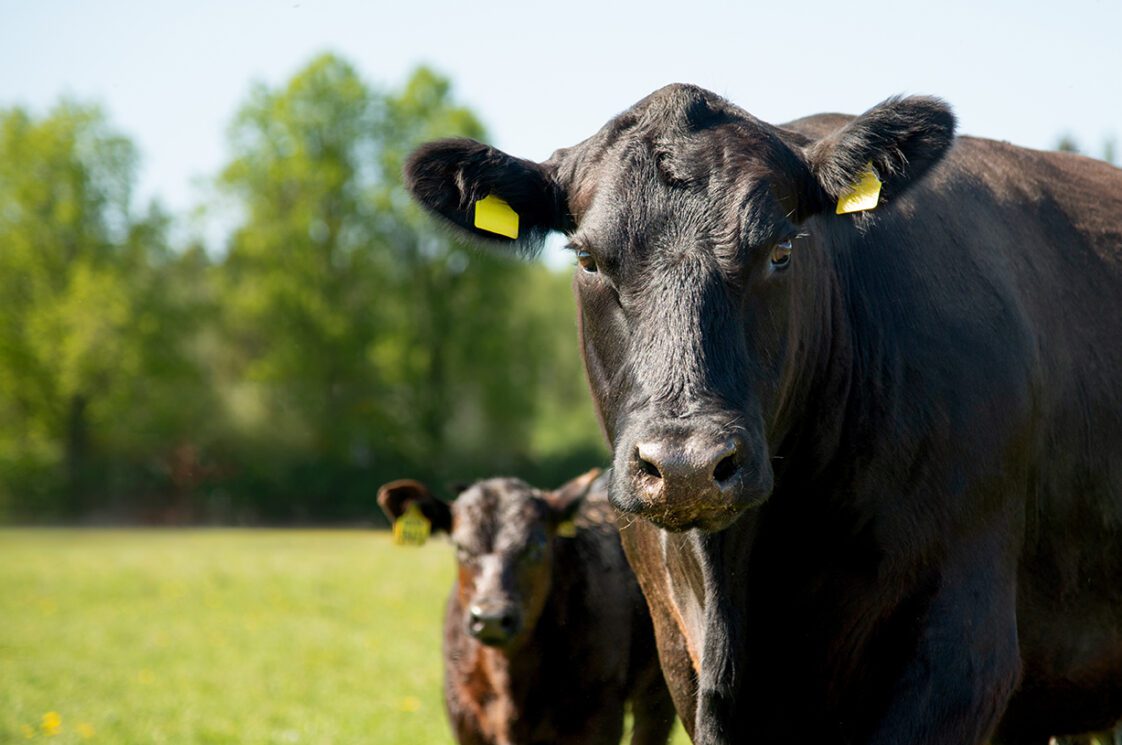 The average cow-calf return within the last 20 years is $175 per cow. So, a farmer raising 20 cows on 40 acres stands to make a total profit of $3,500 per year. However, this calculated profit includes the last three years of historic, but abnormal, prices. When the returns from the last three years are removed, the 20-year average return decreases dramatically to $62 per cow for a total of $1,240 per year.
“Imagine investing countless hours, sweat and tears into your operation only to make a little more than $1,200 that year,” Kelley said. “It certainly puts things into perspective.”
These calculated profits also assume that there are no unexpected production costs or losses. A recent example of this is the war in Iran, which has caused disruptions and price increases on items like fuel and fertilizer.
“Fertilizer and fuel make up a large part of forage-production costs for farmers,” Kelley said. “We expect these prices will continue to increase in the short term until some of the world events are solved. Hopefully, the increase isn’t too much, but it is definitely there.”
The Cattle Cycle
As a whole, the agricultural industry has taken some big financial hits over the last few years. In fact, Kelley said cattle farming is one of the few bright spots and profitable components right now. However, there will be a time when farmers start to rebuild their herds and increase cattle inventories. Known in the industry as the “cattle cycle,” it will be at this point when beef prices start to decrease.
“All things are cyclical, and the cattle cycle will turn again,” Kelley said. “So, while prices are high now, and famers should be making money, the cattle cycle tends to flatten those numbers over time.”
May is National Beef Month, a time to highlight the hard work and dedication of the nation’s farmers. While market factors have led to higher beef prices at the grocery store, it is still easy to celebrate the farmers who make those beef products possible.
“Alabama’s cattle producers are truly amazing people,” Kelley said. “The beef industry is one of the nation’s leaders in consumer satisfaction. Our producers invest and sacrifice a lot to make that possible and to contribute to the safest and best food supply in the world.”