
Farming

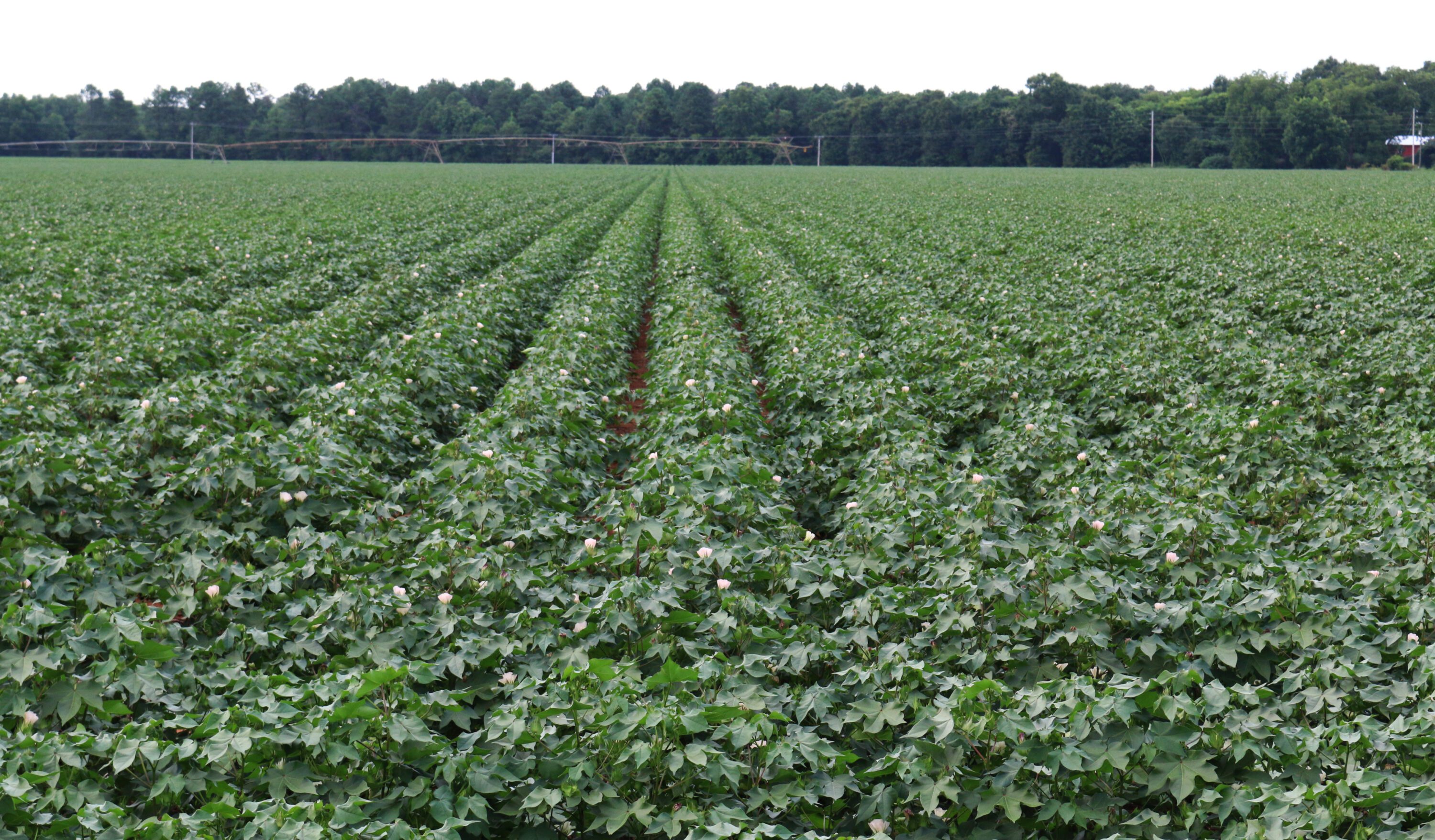
AUBURN UNIVERSITY, Ala. — After a difficult year, federal assistance is now available to help row crop and specialty crop farmers. The Farmer Bridge Assistance program and the Assistance for Specialty Crop Farmers program have been authorized to distribute $11 billion and $1 billion, respectively.
Applications for the Farmer Bridge Assistance program opened Feb. 23 with one-time payment distributions starting Feb. 28.
Farmer Bridge Assistance
Adam Rabinowitz, a specialist with Alabama Extension at Auburn University, said farmers are currently making planting decisions for 2026. The timing of this funding availability could help them with their decision-making.
“When it came time to balance the books after harvest, a lot of farmers were in the red in 2025,” Rabinowitz said. “Federal legislation that increases safety nets for row crop producers has been approved but those payments can’t be made before October 2026. So, the Farmer Bridge Assistance program provides a very needed, one-time bridge payment to help farmers who struggled because of high production costs, low commodity prices and trade disruption.”
The Farmer Bridge Assistance program covers corn, cotton, peanuts, soybeans and wheat, among other commodities. Rabinowitz said estimates show, on average, row crop farmers lost more than $100 per acre on those five crops.
“Cotton farmers in the U.S. lost an average of $385.88 per acre this past year,” Rabinowitz said. “The other four major crops varied from an average loss of $101.56 per acre on soybeans to an average loss of $183 per acre on peanuts. It just cost much more to produce the crop last year than farmers were able to make selling their commodities.”
Eligible producers may be able to apply for the Farmer Bridge Assistance program online through Login.gov. Otherwise, applications can be submitted through local Farm Service Agency offices.
Assistance for Specialty Crop Farmers
Rabinowitz said the struggles caused by high production costs and low commodity prices are not exclusive to row crop producers.
“Fruit, vegetable and tree nut farmers who don’t even have a typical safety net are also facing financial challenges, which is why the Assistance for Specialty Crop Farmers program was created,” Rabinowitz said.
The Assistance for Specialty Crop Farmers program covers numerous commodities. Blueberries, peaches, pecans, tomatoes, squash, strawberries, sweet potatoes and watermelons are among the covered commodities grown in Alabama. Additional details about the program are expected to be announced by March 31.
More Information
For more information on this assistance, read the Extension Brief, “Financial Assistance Available for Row Crop and Specialty Crop Farmers.” The brief is available online at aces.edu.