
Farming

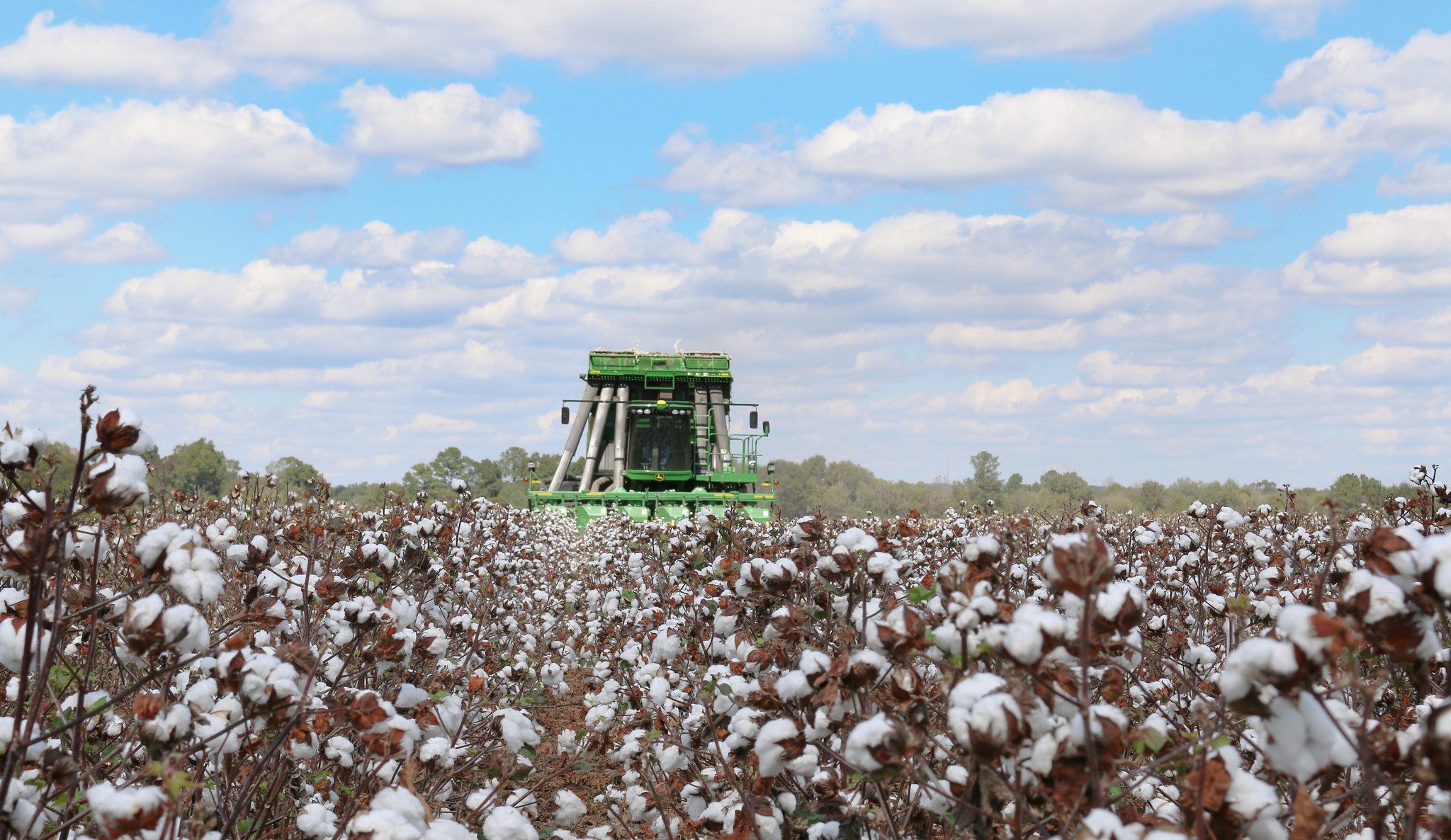
AUBURN UNIVERSITY, Ala. — Alabama row crop farmers are facing sharply higher harvest expenses as diesel prices climb well above the levels used to build 2026 production budgets.
Diesel is a critical harvest input, powering combines, tractors, cotton pickers and peanut digging and picking equipment. It also fuels the trucks that move grain to elevators, cotton to gins and peanuts to buying points.
The U.S. Department of Agriculture Agricultural Marketing Service estimated Alabama’s price for No. 2 diesel fuel for farm use at $5.42 per gallon as of the week-ending September 18, 2026. That compares with an average of $2.73 per gallon in January and February, when many producers were developing or finalizing crop budgets. That $2.69-per-gallon increase represents a rise of approximately 99% over expectations.
“Farmers made planting and harvest plans based on diesel prices that were much lower than what they are paying now,” said Adam Rabinowitz, an Auburn University associate professor and Alabama Cooperative Extension System economist. “These unexpected fuel costs are arriving at a time when crop margins were already tight. Higher commodity prices do not erase that pressure, particularly when many producers began the season with market prices below the cost of production.”
Rabinowitz and Sthefani Oliveira, both with Auburn’s Department of Agricultural Economics and Rural Sociology, examined expected harvest acreage and estimated diesel use for corn, cotton, peanuts and soybeans across 13 Southern states, including Alabama.
Their analysis estimates that higher diesel prices will add approximately $247 million to harvest costs for the four crops across the region. The four-crop acreage weighted average increase is $7.70 per harvested acre, ranging from $5.12 per acre for corn to $22.83 per acre for peanuts.
Peanuts carry the largest estimated increase because harvest requires two equipment passes. Producers first dig and invert the peanuts so they can dry, then return to pick them.
The estimates are conservative because they do not include diesel used to transport harvested commodities to first buyers. Transportation costs vary by farm location and the distance to elevators, gins and buying points. Diesel fuel used on highways include state and federal taxes that are exempt when farmers purchase off-road diesel for use on the farm.
“The added harvest expense does not end when the crop leaves the field,” Rabinowitz said. “Transportation is also essential to marketing the crop, and those additional diesel costs will tighten margins even further.”
Governor Kay Ivey issued a directive on Thursday to halt enforcement of off-road diesel use on Alabama highways for the next 120 days to help provide relief for farmers transporting the crop off the farm. However, Internal Revenue Service (IRS) penalties for such use are still in place unless the IRS grants the relief that Governor Ivey has also requested.
The Auburn University analysis uses diesel price estimates from the USDA Agricultural Marketing Service and the U.S. Energy Information Administration, along with available estimates of diesel use by harvest equipment.