
Diabetes

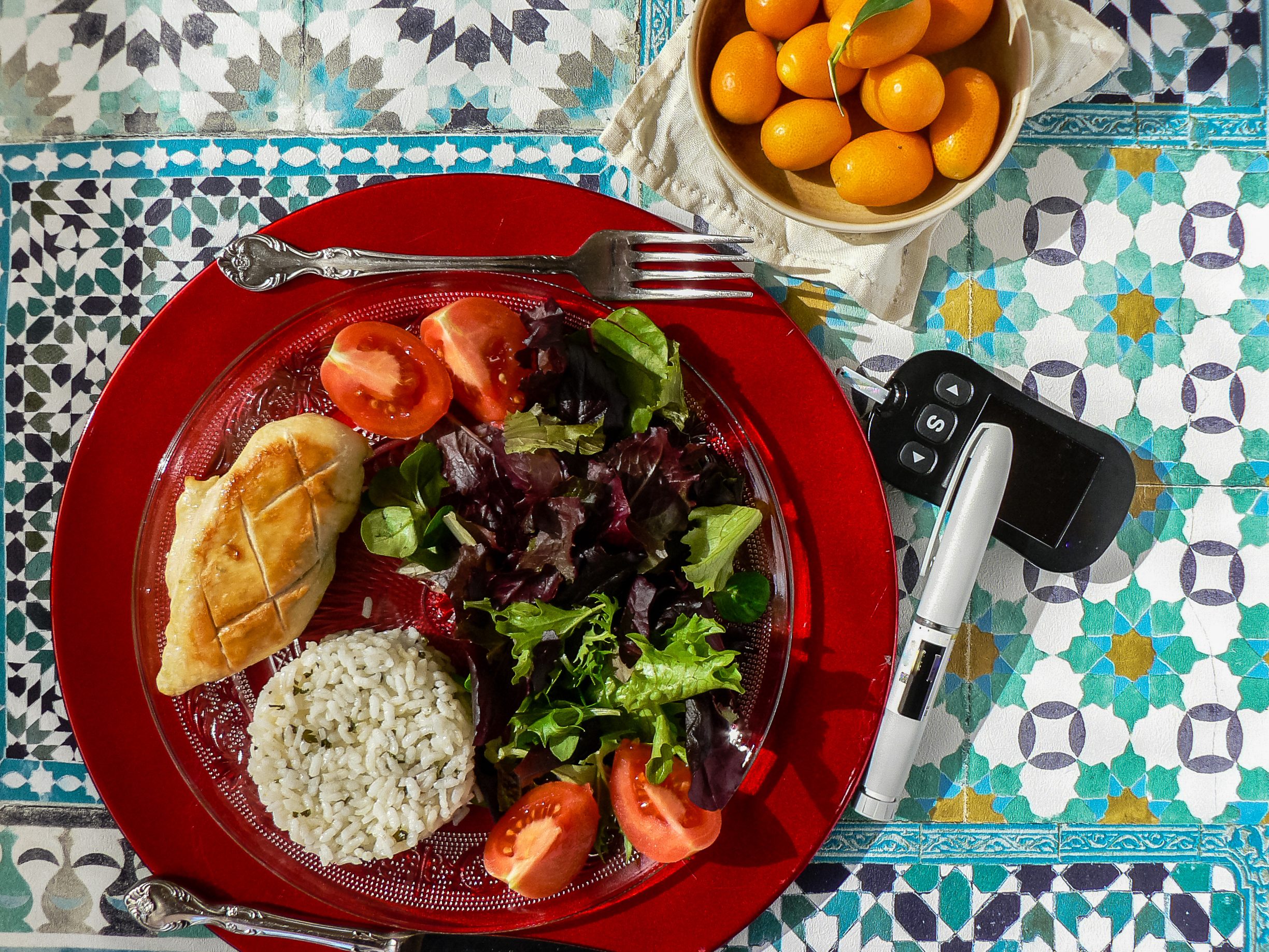
Spring is a season of renewal, making it a great time to refresh daily habits that support diabetes management. As the weather warms up and fresh foods become more available, small changes to your routine can help improve blood sugar control, increase energy, and support overall health.
Managing diabetes does not require a complete lifestyle overhaul. Instead, focusing on simple, consistent habits, like adding more color to your plate, staying active, and choosing balanced meals, can make a meaningful difference over time.
Building a Balanced Plate
Creating balanced meals is one of the most effective ways to manage blood sugar. Following the Plate Method makes it easy to create balanced meal. For this method, divide your plate using the following measurements:
- ½ plate: Non-starchy vegetables, such as spinach, broccoli, carrots, or peppers.
- ¼ plate: Lean protein, such as chicken, fish, eggs, or beans.
- ¼ plate: Carbohydrates, such as whole grains, fruit, or potatoes.
Balancing carbohydrates with protein and fiber helps slow digestion and reduce blood sugar spikes after meals. Protein and fiber also help you feel full longer, which may prevent overeating and support better portion control.
Add More Color to Your Plate
Eating a variety of colorful foods is an easy way to improve overall nutrition and support blood sugar management. Different color foods provide different vitamins, minerals, and antioxidants that support overall health and body function. Many colorful fruits and vegetables are rich in fiber, which helps slow glucose absorption. In preparing meals, aim to include at least three colors on your plate.
Examples of different color foods that are in-season in the spring include the following:
- Red: strawberries and tomatoes.
- Orange: carrots and sweet potatoes.
- Green: spinach, asparagus, and broccoli.
- Blue or purple: blueberries and grapes
Adding color is a simple way to increase nutrient intake while naturally improving blood sugar control.
Move More, Enjoy the Season
Physical activity helps the body use glucose more effectively by increasing insulin sensitivity. This means your body can move sugar from the blood into the cells more efficiently.
Spring is the perfect time to get outside and move more. Simple exercise suggestions include the following:
- Take a 10–15-minute walk after meals.
- Spend time gardening or doing yard work.
- Play outside with family or participate in outdoor activities.
Even small amounts of movement after eating can help lower blood sugar levels and improve energy.
Stay Hydrated
Staying hydrated is important for maintaining healthy blood sugar levels and overall body function. Water helps the body regulate blood glucose and remove excess sugar through urine. Dehydration can lead to higher blood sugar levels and increased fatigue. To ensure you stay hydrated, consider the following:
- Choose water as your main beverage.
- Add fruits or herbs for natural flavor.
- Limit sugary drinks like soda, juice, and sweet tea.
Make Simple Food Swaps
You don’t have to give up your favorite foods. Small adjustments can help make meals more blood sugar friendly. Some suggestions include the following:
- Choose whole grains instead of refined grains.
- Pair carbohydrates with protein. For example, enjoy fruit with a handful of nuts or pair toast with eggs.
- Use lighter ingredients, like Greek yogurt, in place of heavier options.
These simple swaps can help improve both blood sugar control and heart health.
Small Changes, Big Impact
Building healthy habits does not happen all at once. Focus on one or two small changes that feel manageable and build from there.
This spring, take advantage of fresh foods, longer days, and warmer weather to support your health. Simple steps like eating balanced meals, staying active, and making mindful choices can help you feel your best while managing diabetes.
For more information, visit the following links:
American Diabetees Association: Eating for Diabetes Management