
Crop Production

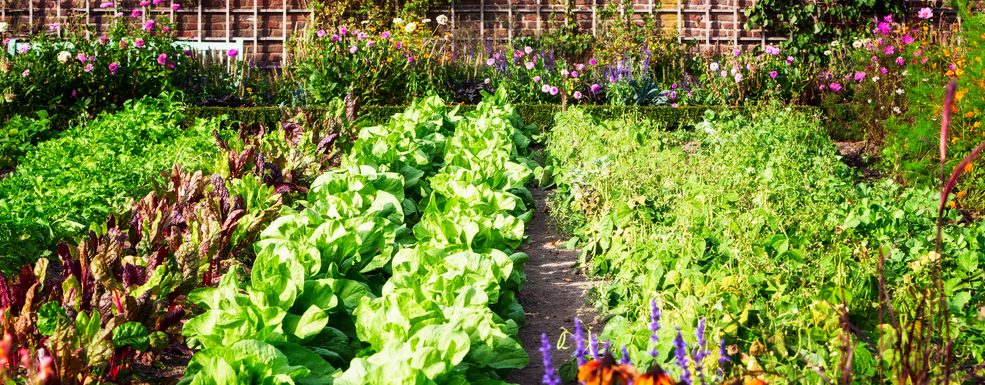
The twenty-seventh edition of the Southeastern U.S. Vegetable Crop Handbook, developed by the Southeastern Vegetable Extension Workers Group, continues a long-standing tradition of providing science-based, practical guidance for vegetable production across the Southeast. Updated for 2026, this new edition reflects a truly collaborative effort among Extension specialists and researchers from fifteen land-grant universities, bringing together expertise from the areas of vegetable production, entomology, plant pathology, soil and weed science, postharvest physiology, and produce safety. Download a free copy of the handbook at the link below.
Download the Southeastern U.S. Vegetable Crop Handbook
About the Handbook
The Southeastern U.S. Vegetable Crop Handbook is built on years of regional research and on-farm Extension experience. Updated annually to reflect the most recent advances in specialty crop management, the handbook serves as a comprehensive, one-stop reference for vegetable production across the Southeast. It addresses key decisions that growers face throughout the season, whether in open-field production, home gardens, organic systems, or greenhouse operations. Modern production approaches—such as plasticulture, rotation, grafting, and alternative cropping practices—are also covered, ensuring the handbook remains relevant to both conventional and diversified vegetable operations.
Topics Covered
For Alabama growers—from small and beginning farmers and home gardeners to large commercial producers—the topics covered in this handbook directly support informed decision-making in an agricultural environment characterized by long growing seasons, diverse pest pressure, intensive production inputs, and a wide range of soil types and cropping systems. The following topics are covered in the 2026 Southeastern U.S. Vegetable Crop Handbook.
- Vegetable variety selection and cultivar performance.
- Recommended planting dates and crop scheduling.
- Soil fertility management and fertilizer recommendations.
- Cover crop selection and conservation tillage systems.
- Irrigation and fertigation management.
- Plasticulture systems and bed preparation.
- Integrated pest management strategies.
- Insect, disease, and weed management programs.
- Pesticide selection and resistance management.
- Alternative and reduced-risk pest management tools.
- Grafting and advanced vegetable production techniques.
- Postharvest handling and storage practices.
- Produce safety considerations.
- Sustainable and systems-based vegetable production approaches.
Contributors
Alabama Extension at Auburn University
- Paulo Cremonez (Entomology)
- Camila Rodrigues (Food Safety)
- Andre da Silva (Horticulture)
- Edward Sikora (Plant Pathology)
Auburn University
- Marlee Trandel-Hayse (Postharvest)
Alabama A&M University
- Armitra Jacskon-Davis (Food Safety)
More Information
To ask about obtaining a physical copy of the Southeastern U.S. Vegetable Crop Handbook, contact the commercial horticulture or home horticulture Extension agent in your area. You can also contact Paulo Cremonez at cremonez@auburn.edu or (229) 402-8771.