
Crop Production

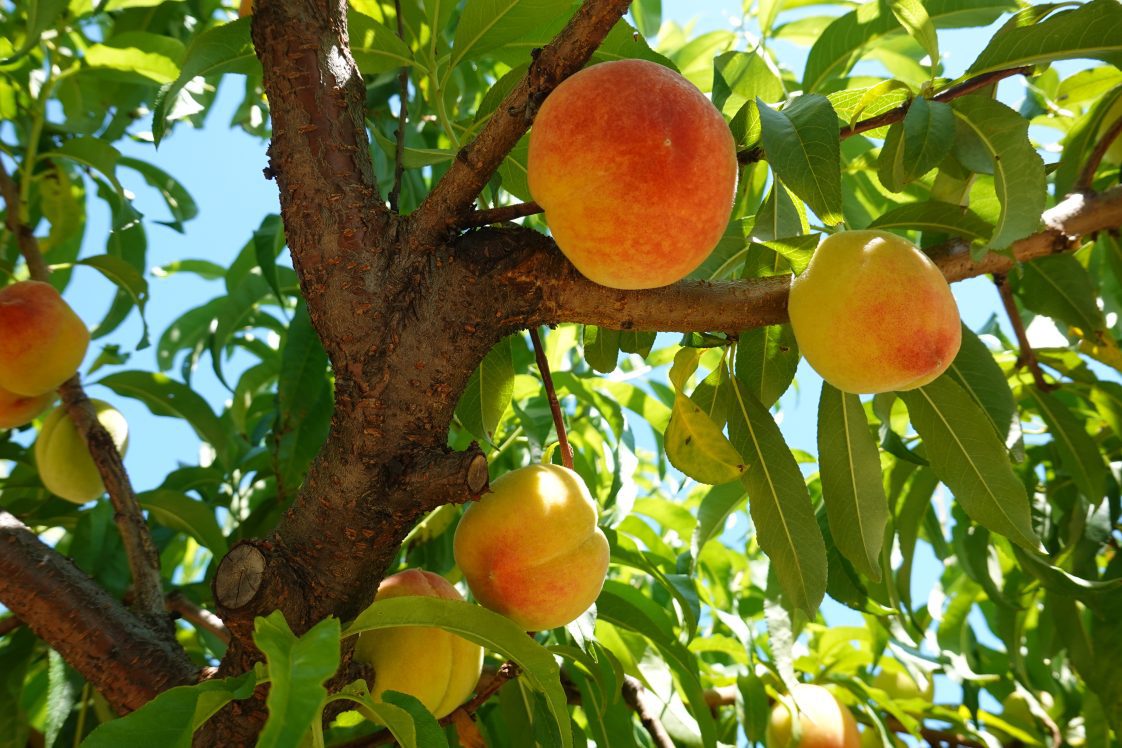
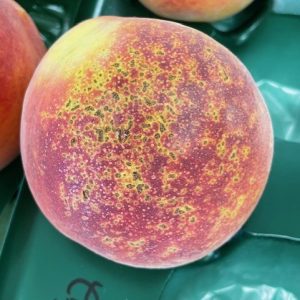
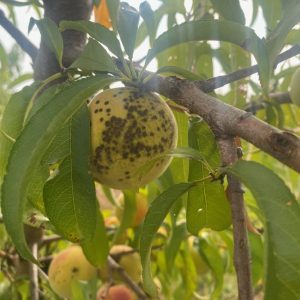
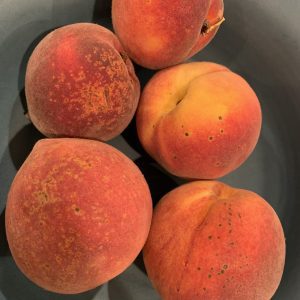
Peach scab, caused by the pathogen Cladosporium carpophilum, is one of the most common diseases in peach production. This disease primarily affects fruit, twigs, and leaves. Fruit infections appear as small, dark, velvety lesions on the surface of developing peaches. While the internal flesh is typically not damaged, scab lesions reduce fruit marketability and can cause cracking under severe pressure. In addition, infected twigs serve as reservoirs for the fungus, producing spores that initiate new infections the following season. The disease thrives in warm, wet conditions, making orchards in humid regions such as the southeastern United States especially vulnerable.
Peach Scab Management
Successful management of peach scab requires a combination of cultural and chemical practices. During winter pruning, removal of diseased twigs and branches helps reduce the amount of overwintering inoculum. Proper pruning also improves air circulation within the tree canopy, which shortens drying time after rainfall and lowers disease pressure.
Fungicide applications are the cornerstone of peach scab control in commercial orchards. Protectant sprays should begin at petal fall and continue on a 10- to 14-day interval until harvest. Orchard managers should pay attention to all pre-harvest intervals of any pesticides applied. Captan is widely used as the backbone of many cover spray programs because of its strong activity against scab and its low risk of resistance development. Early-season fungicide applications are essential for preventing scab infections. During high pressure seasons, chlorothalonil (Bravo), azoxystrobin (Abound) and pydiflumetofen (Miravis) can be applied early in the season for increased control. Chlorothalonil is not labeled for use after shuck split. Coverage is critical, as scab spores primarily infect young fruit and shoots. Sprayers should be calibrated to ensure thorough protection of the entire canopy, particularly in the interior where air movement is limited.
For more information on chemical control, please view the 2025 Southeastern Peach, Nectarine, and Plum Pest Management and Culture Guide.
An integrated approach combining cultural practices, less-susceptible varieties when available, and well-timed fungicide programs offer the best control of peach scab. Monitoring weather conditions, particularly rainfall, can help growers anticipate periods of high risk and adjust spray schedules accordingly. With consistent management, scab can be kept at low levels, allowing growers to maintain fruit quality and ensure successful marketability of their peach crop.
Trade and brand names used in this publication are given for information purposes only. No guarantee, endorsement, or discrimination among comparable products is intended or implied by the Alabama Cooperative Extension System.