
Crop Production

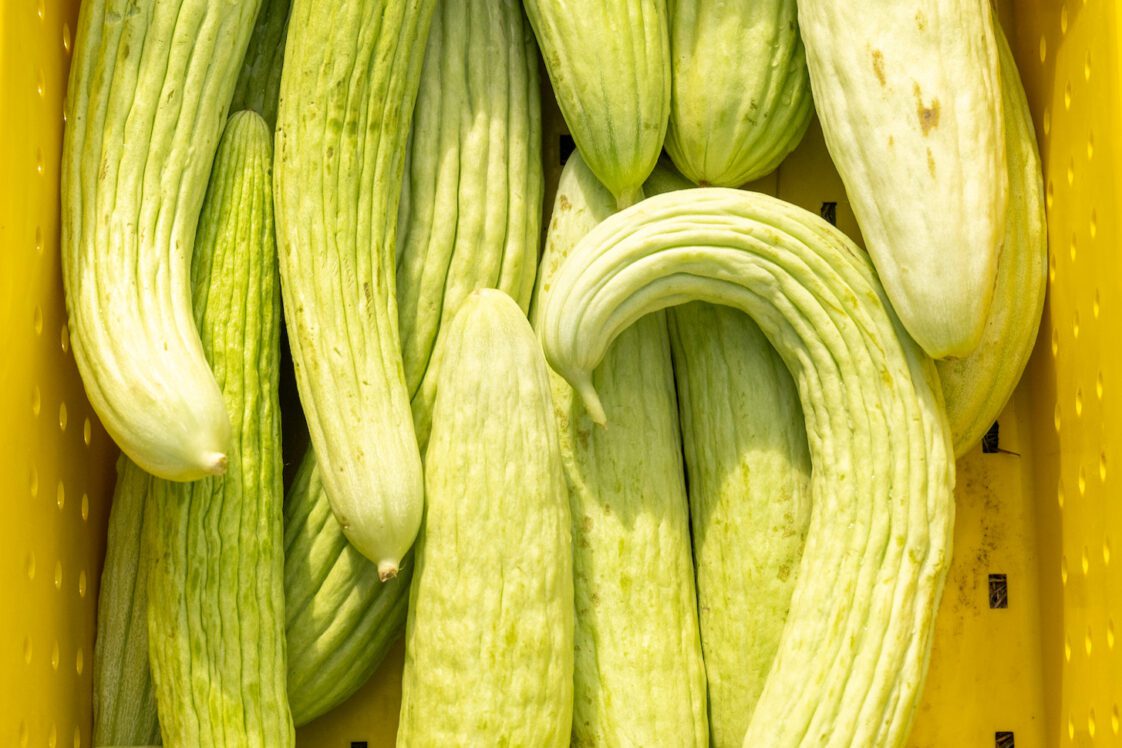
Cucumis melo are emerging specialty crops valued for their unique appearance, refreshing flavor, and adaptability to hot climates. Botanically melons but consumed like cucumbers, they offer farmers a resilient alternative to traditional cucumbers, especially during peak summer heat.
Presenting a crisp texture, mild taste, and culinary versatility, Cucumis melo can be used in fresh salads or pickled condiments. This versatility makes them attractive to local restaurants, international groceries and markets, and consumers seeking diverse or healthy produce. Considered traditional and culturally important crops, they are also popular with small markets that focus on family, traditional foods, and sustainable farming.
Armenian Cucumber (Cucumis melo)
Armenian cucumber, also known as yard-long cucumber, snake melon, or uri, is a heat-tolerant melon cultivar harvested young and eaten like a cucumber. Popular in Middle Eastern, Mediterranean, and South Asian cuisines, it is prized for its long, slender shape, thin edible skin, crisp texture, and mild flavor. Seeds are soft and edible when immature, making them ideal for pickling or fresh consumption in salads.
-
- Figure 1a. Example of a plant of the Armenian Cucumber.
-
- Figure 1b. Example of the fruit of the Armenian Cucumber.
Carosello (Cucumis melo)
Carosello is an heirloom melon traditionally grown in Southern Italy, especially in the hot and dry region of Puglia. Though botanically a melon, it resembles zucchini or Armenian cucumber in shape. It is typically consumed raw. Known for its mild, refreshing flavor and tender skin, carosello often has a striped or slightly fuzzy appearance. It holds cultural significance in Italian food traditions and is celebrated for its versatility in simple salads and regional dishes.
-
- Figure 2a. Example of a plant of Carosello.
-
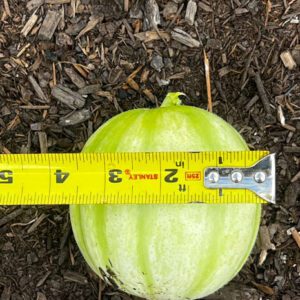
- Figure 2b. Example of a fruit of Carosello.
Why Grow These Crops in Alabama?
Armenian cucumber and carosello grow well in hot, dry conditions, which makes them a great choice for Alabama summers. While regular cucumbers often struggle in extreme heat, these varieties stay productive and healthy, even when temperatures rise.
In general, Cucumis melo can help farmers reach new customers. Particularly, they can be popular in places with international grocery stores, farm-to-table restaurants, and farmers’ markets. Cucumis melo also fit well into Community Supported Agriculture (CSA) boxes and specialty produce markets, where buyers are often looking for unique, flavorful, and culturally significant vegetables.
These vegetables have a mild, refreshing taste and can be used in several dishes. They offer something different from regular cucumbers and can attract buyers looking for healthy, flavorful, and unique produce.
Because they are not widely grown, Armenian cucumber and carosello can help farmers stand out in the market. They are also good for crop rotation and can be part of sustainable farming practices.
Production Tips for Alabama Farmers
| Factor | Recommendation |
|---|---|
| Soil | Well-drained loam with pH 6.0 to 6.8 |
| Planting Time | Late spring to early summer (after last frost) |
| Spacing | 12 to 18 inches apart, in rows 4 to 6 feet apart |
| Irrigation | Drip irrigation preferred; avoid overhead watering |
| Pests/Diseases | Monitor for aphids, cucumber beetles, and powdery mildew |
| Harvesting | Harvest immature fruits when 10 to 15 inches long |
| Storage | Store at 50 to 55 degrees Fahrenheit with high humidity; shelf life is about 1 week |
| Packaging | Use breathable or vented containers |
| Labeling | Include origin story and recipe ideas to attract buyers |
Culinary Uses and Recipes
Carosello on Tomato Salads
This recipe is a classic Pugliese dish, which is perfect to enjoy in the summer.
Ingredients
- 2 medium carosellos (or Armenian cucumbers), sliced
- 3 to 4 ripe tomatoes, sliced
- ¼ red onion, sliced
- Fresh basil or oregano
- Olive oil, vinegar/lemon juice, salt, pepper
- Optional: garlic, black olives, feta, or mozzarella cheese
Directions
Place the sliced carosello, tomatoes, and red onion in a large bowl. Sprinkle with salt and let the vegetables sit for about 5 minutes to draw out juices and enhance flavor. Drizzle with olive oil and a splash of red wine vinegar or lemon juice. Add black pepper and fresh herbs. Gently stir or toss everything together. Let the salad rest at room temperature for 10 to 15 minutes, allowing the flavors to blend. Serve as a refreshing side dish or enjoy with crusty bread to soak up the flavorful juices.
Armenian Cucumber & Tomato Salad with Yogurt-Lemon Dressing
This salad is creamy, tangy, and cooling.
Dressing Ingredients
– Greek yogurt or labneh
– Lemon juice, olive oil, salt, pepper
Salad Ingredients
- 1 large Armenian cucumber, sliced
- 2 to 3 ripe tomatoes, sliced
- ¼ red onion, sliced
- Mint or dill
- Optional: sumac or Aleppo pepper
Directions
In a mixing bowl, whisk together the yogurt, lemon juice, olive oil, salt, and pepper to make the dressing. Add the sliced cucumber, tomatoes, and onion. Gently toss everything to coat. Sprinkle with fresh herbs and, if desired, a touch of sumac or Aleppo pepper for extra flavor. Serve the salad immediately or chill briefly for an even more refreshing dish.
More Information
For questions about growing Cucumis melo, interested growers may contact the authors of this brief, which includes Andre da Silva, Sara Paz, Camila Rodrigues, and Lane Selman.
Alabama Extension is here to support growers with resources, guidance, and connections that can help growers succeed with this unique crop.
Funding Acknowledgment
This work is supported by the USDA National Institute of Food and Agriculture Organic Agriculture Research and Extension Initiative, project award no. #2024-51300-432144.