
Crop Production

Momordica charantia is also known as bitter gourd or bitter melon. It is a vine-grown fruit cherished across Asia, Africa, and the Caribbean for its distinctive flavor and health benefits. In other languages, it is called karela in Hindi and Urdu, goya in Japanese, and ampalaya in Tagalog. This publication is meant to help small and large growers expand their opportunities by sharing information on how to grow bitter gourds in Alabama’s environmental conditions.
Bitter Gourd Characteristics
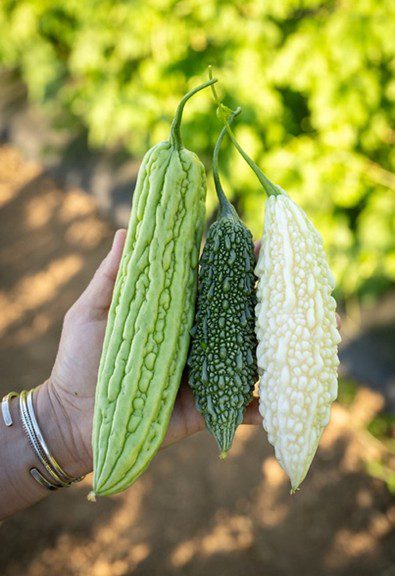
Figure 1: Example of the fruit of bitter gourd.
Presenting a firm, crunchy texture and a bold, bitter flavor, bitter gourd offers culinary versatility across a wide range of traditional dishes, from stir-fries and soups to stuffed preparations and spiced stews. The distinctive taste makes it especially appealing to ethnic markets, health-conscious consumers, and local restaurants seeking unique and culturally significant ingredients.
Consequently, bitter gourd presents a unique opportunity for Alabama farmers to tap into growing niche markets by providing options for ethnic communities. Asian, African, and Caribbean populations, are among those who value this crop for its culinary and medicinal uses.
As a traditional crop with deep cultural roots, bitter gourd becomes a specialty in small markets that emphasize heritage foods and sustainable farming practices. To build even more consumer interest, farmers can offer samples and recipe cards at local markets, helping educate shoppers on how to prepare and enjoy bitter gourd.
Why Grow Bitter Gourd in Alabama?
Bitter gourd thrives in warm, humid climates, making Alabama an ideal location for its cultivation. As interest in global cuisines grows alongside immigrant populations, this crop offers a valuable niche market opportunity in ethnic grocery stores, farmers’ markets, and health-focused retail outlets. While it shares similar diseases and pests with cucurbit crops, bitter gourd is still a great option for growers since the market is saturated with the common crops.
Furthermore, it has culinary appeal. Bitter gourd is rich in vitamin C, folate, and antioxidants. It has long been used in traditional medicine to support digestion and regulate blood sugar levels. In short, bitter gourds are attractive to both health-conscious consumers and culturally diverse communities.
Bitter Gourd Production Tips for Alabama Farmers
| Factor | Recommendation |
|---|---|
| Soil | Well-drained loamy soil, pH 5.5–6.7 |
| Planting Time | Late spring to early summer; germinate seeds 2 to 3 weeks before transplanting outdoors |
| Spacing | 12 to 18 inches apart in rows 4 to 6 feet apart; use trellising to benefit from vertical support, improve airflow, and reduce disease |
| Irrigation | Requires consistent moisture; drip irrigation recommended during flowering and fruiting |
| Common Pests | Aphids, fruit flies, whiteflies |
| Harvesting | 55 to 70 days after planting when fruits are green and immature; frequent picking encourages more fruiting |
| Storage | Store at 50°F to 55°F with 85% to 90% relative humidity; shelf life 1 to 2 weeks |
| Packaging | Use ventilated crates or boxes; avoid stacking to prevent bruising |
| Common Diseases | Powdery mildew, downy mildew, mosaic virus |
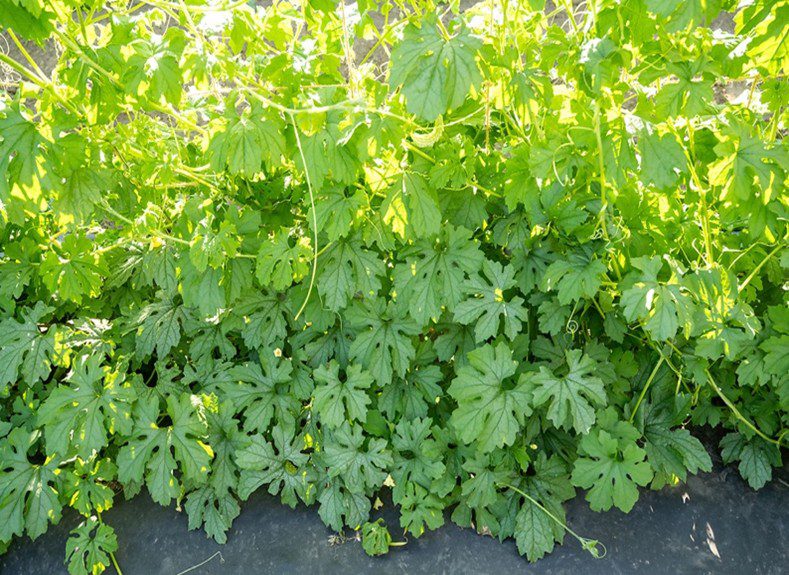
Figure 2: Example of the plant of bitter gourd.
Culinary Uses and Recipe
A variety of traditional dishes across cultures feature bitter gourd. Soaking, parboiling, or pairing with strong seasonings can mellow its bitterness.
Popular Bitter Gourd Dishes
- Goya Champuru (Okinawa): Stir-fried with pork, tofu, and egg.
- Ginseng Ampalaya (Philippines): Sautéed with garlic, onion, tomato, and egg.
- Pavakka Kichadi (India): Cooked in spiced yogurt sauce.
- Canh Khổ Qua (Vietnam): Stuffed with pork and simmered in broth.
Recipe for Bitter Gourd with Ginger and Garlic
Ingredients
- 2 medium bitter gourds
- 2 cloves garlic, minced
- 1 small onion, sliced
- 1 tsp ginger, minced
- 2 tbsp oil
- Fresh herbs, salt, pepper, lime juice, soy sauce, chili flakes (optional)
Directions
Slice the bitter gourd, and soak it in saltwater for 10 to 15 minutes to reduce its bitterness. In a pan, sauté minced garlic, sliced onion and minced ginger in oil until fragrant. Add the drained bitter gourd slices, and stir-fry until they become tender. Finish by seasoning to taste and garnishing with fresh herbs for added flavor and aroma.
More Information
For questions about growing bitter gourd or to learn more about this variety, please contact the authors or reach out to a county Alabama Extension office. We’re here to support growers with resources, guidance, and connections needed to succeed with this unique crop.
Funding Acknowledgment
This work is supported by the USDA National Institute of Food and Agriculture Organic Agriculture Research and Extension Initiative, project award no. #2024-51300-432144.