
Crop Production

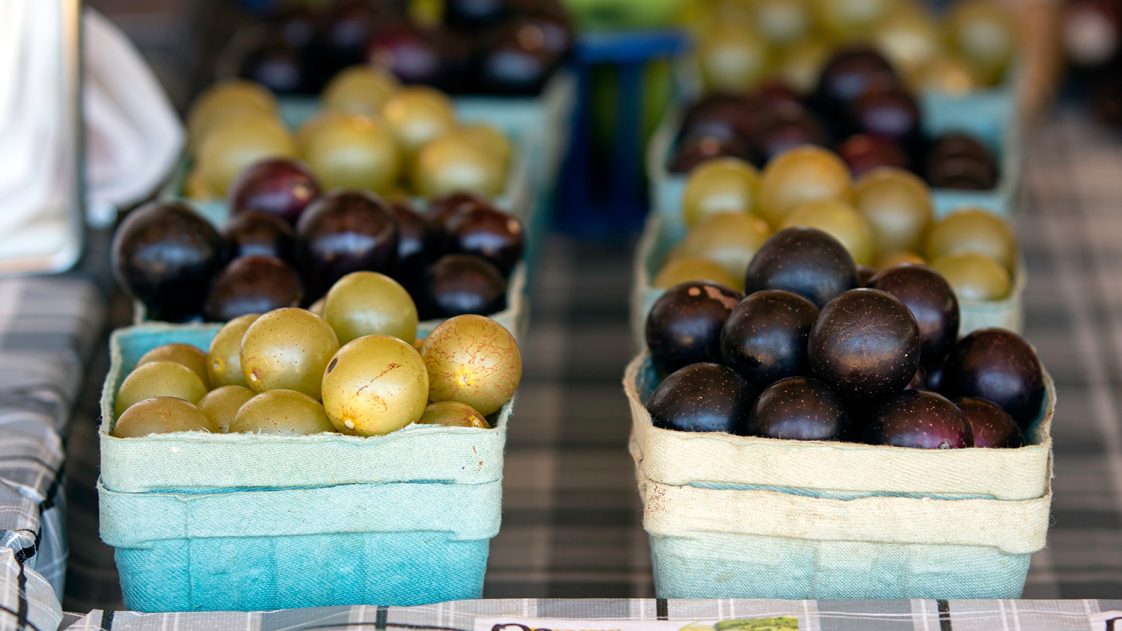
Late summer through early fall marks the peak of muscadine season in Alabama. Often enjoyed fresh off the vine, muscadines (Vitis rotundifolia) may offer far more than a seasonal snack. Whether you are a grower, food entrepreneur, or simply a fan of this southern fruit, there is no better time to explore the full potential of muscadine grapes, including value-added products.
What Are Value-Added Products?
In general, value-added agriculture refers to transforming fresh commodities into processed products to offer greater economic return. Value-added products not only expand market opportunities but also appeal to health-conscious consumers seeking foods that are rich in antioxidants, fiber, and numerous other nutrients. Muscadine berries have a rich flavor, high nutritional value, and versatility—making them ideal for value-added products. The relatively short shelf life of muscadine berries in comparison to bunch grapes also makes them ideal for value-added products. For example, European grapes can be stored for up to 6 months at 0.5 to 1.0 degrees C and 95 percent relative humidity, and American bunch-grape hybrids can be stored between 2 to 8 weeks at 0.5 to 1.0 degrees C and 85 percent relative humidity. Muscadine fruit, however, can only stay at a high quality for 2 to 3 weeks after harvest when stored at 0.5 to 1.0 degrees C and 95 percent relative humidity.
Muscadine Products
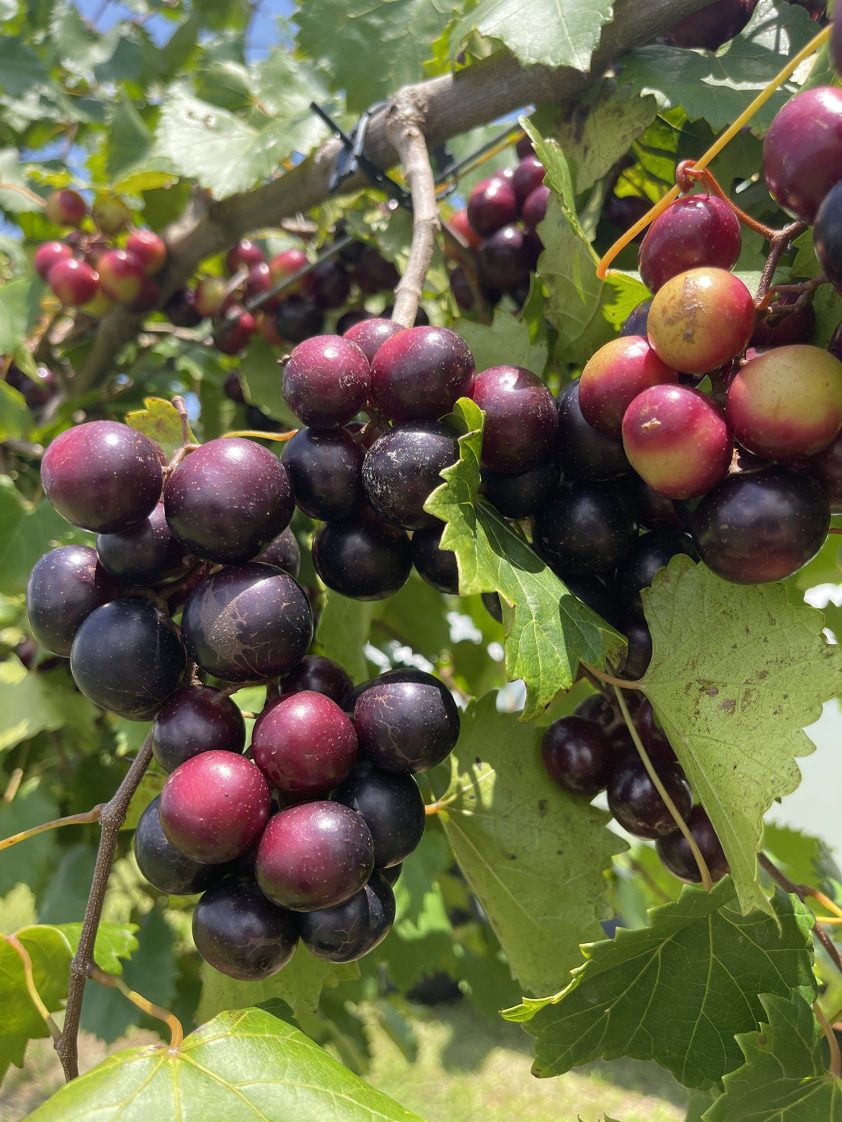 Processing muscadine grapes into value-added products is a good option to utilize the crop and supplement farm revenue. Peak muscadine season is the ideal time to consider how you can turn nonmarketable fruit into high-quality, shelf-stable products. There are a variety of processing options to preserve the unique character of muscadine grapes. Freezing, canning, juicing, and fermentation are all common methods used across the Southeast. Muscadines can be processed into the following products:
- Juice
- Jelly, jam, and preserves
- Wine and vinegar
- Purees and sauces
- Nutraceutical products, such as powders or supplements from skins and seeds
Best Practices for High-Quality Products
No matter how innovative or delicious your product is, cleanliness is nonnegotiable. Proper cleaning and sanitation of equipment are the most critical steps in value-added processing. Poor sanitation can lead to contamination, spoilage, or foodborne illness. Even trace amounts of bacteria or yeast can degrade your product over time and affect its shelf life. Your products’ taste and aroma can also be influenced by residues from previous batches or improper cleaning. If you are selling to the public, all local and federal food safety standards must be met, so improper practices can also affect your regulatory compliance.
- Clean before you sanitize. Remove visible debris from equipment before applying any sanitizers.
- Use food-grade sanitizers. Always follow manufacturer instructions for dilution and contact time.*
- Regularly inspect equipment. Look for wear, buildup, or hard-to-clean areas.
- Keep records. Document cleaning and sanitation procedures as part of your food safety plan.
*Some commercially available chlorine bleaches contain fragrances, thickeners, or other additives that are not approved for use on food or food-contact surfaces. Read the product label for its intended use and to find the US Environmental Protection Agency (EPA) registration number. Using the EPA’s Pesticide Product Label System, verify that the product is a registered antimicrobial product for use again food-contact surfaces.
Start Small but Think Big
Adding value doesn’t require a major investment right away. Many successful muscadine-based businesses began with a single batch of jams and jellies. In Alabama, most shelf-stable products—such as jams, jellies, and baked goods—can be sold directly to consumers under the Alabama Cottage Food Law. Before selling, producers must complete the Alabama Cottage Food Law training, which is offered by the Alabama Cooperative Extension System. Farmers’ markets, local stores, or online sales within the state are great places to test your products and gather feedback.
Summary
Muscadine grapes are more than a symbol of southern tradition; they are a versatile crop with significant untapped potential. With thoughtful processing, attention to cleanliness, and a bit of creativity, you can turn today’s harvest into tomorrow’s income. Also, Alabama Extension is here to help. From food safety training to business planning and marketing strategies, experts are available to guide you through every stage of the value-added process. For more information, visit www.aces.edu or contact your county Extension office.