
Alabama Cottage Food Law

Understanding pH is crucial for anyone involved in the cottage food industry, but it can be confusing to beginners. Learn the importance of pH in preserving foods safely, cottage food law guidelines, the purpose of using tested recipes, and why substitutions should not be made in recipes. Discover the steps to test pH at home and common Alabama produce–tested recipes from the National Center for Home Food Preservation.
What Is pH and Why Is It Important?
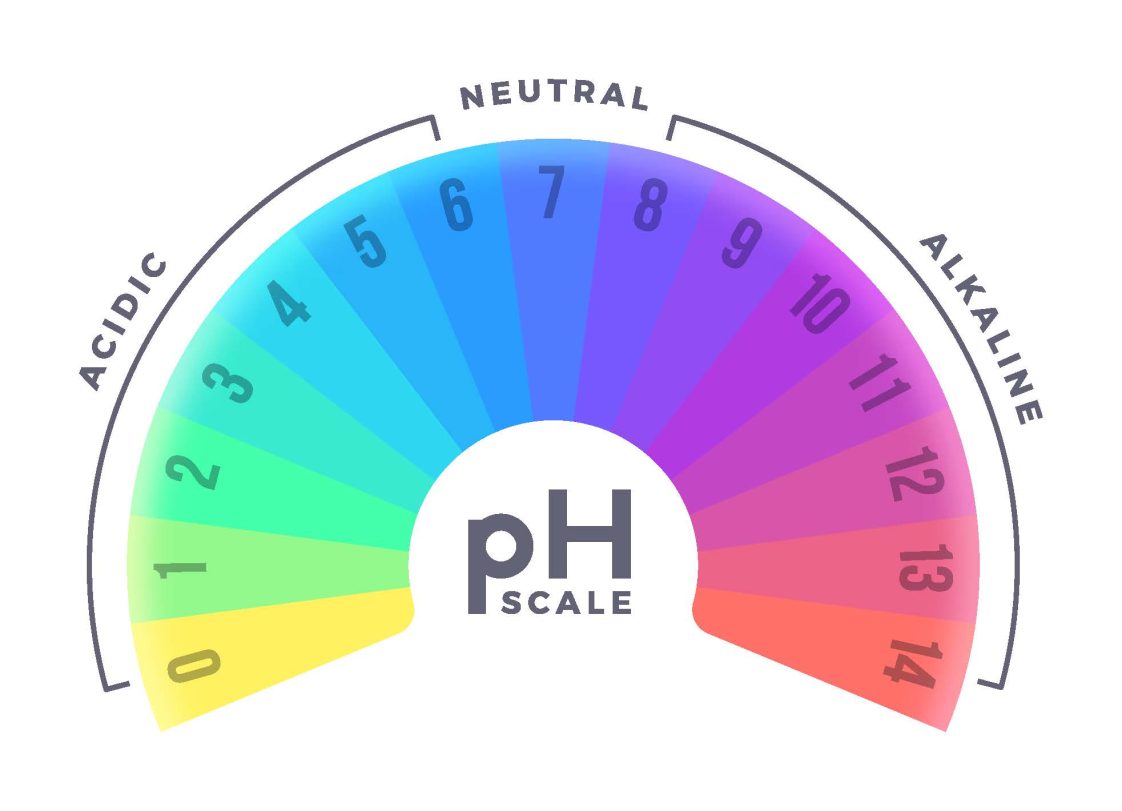
Figure 1. pH scale
The pH scale measures the acidity in foods and ranges from 0 to 14. Lower values are more acidic, while the higher values are basic. The Cottage Food Law requires a pH below 4.2 for products that rely on acidity for safety. This pH is important to prevent the formation of the Clostridium botulinum neurotoxin in these products. This toxin works by attacking the body’s nervous system, resulting in paralysis or even death. The law does not allow the sale of any low-acid canned foods.
Why Are Tested Recipes Crucial for Safe Home Cooking? – Cottage Food Law
Family memories are often created in the kitchen, using recipes or tools passed down through generations. However, following modern, tested recipes and preservation methods is important. Over the years, researchers have gained a better understanding of food safety, and some older methods that were once thought to be safe may cause serious illness or death. Furthermore, selective breeding techniques have made some produce varieties less acidic over the years. Other ingredients have also changed. Did you know that some old pickle recipes were developed using vinegar with 10 percent acidity, but most vinegar in stores now is only 5 percent? Current recipes are based on vinegar with 5 percent acidity, even though it is possible to purchase vinegar with an even lower acidity. Using current tested recipes and checking the vinegar label for acidity before purchasing are important.
Tested recipes undergo rigorous research and verification by experts to ensure the safety of the final product. Evaluators assess various factors such as ingredients, food size and shape, jar dimensions, processing time, heat distribution, pH levels, and more. If you plan to use a family recipe, have it evaluated for safety. Contact your county Extension office for more information about this service and the accompanying fee.
You can find tested recipes for jams, jellies, pickles, pressure canning, freezing, and drying through resources such as the National Center for Home Food Preservation, the So Easy to Preserve food preservation book from the University of Georgia, and your local Extension office. These organizations continuously update their recommendations, providing reliable recipes you can trust to protect the health of those who purchase your products.
Some canning supply companies provide recipes, but make sure the source is reputable and that the recipe is current and properly tested. If you have questions about the safety of one of these recipes, contact the manufacturer for more information.
Is It Okay to Make Substitutions?
When canning or preserving food, it is essential to follow tested recipes without making substitutions. Even small changes, such as using a different variety of fruits or vegetables, can affect the acidity level.
For example, switching from yellow to white peaches, using Asian pears instead of Concorde or Bosc, or substituting elderberries for blackberries can raise the pH of your product to unsafe levels. For this reason, it is essential to always stay with the tested recipe to keep your preserved food safe.
What Steps Should You Follow to Accurately Test the pH of Preserved Foods at Home?
Under Alabama Cottage Food Law, some products require third-party testing for pH or water activity. Alabama Extension recommends that cottage food producers regularly test their products at home to ensure ongoing safety and quality. Home pH meters are particularly useful for this purpose. When selecting a pH meter, follow these tips:
- Ensure that the probe is appropriate for the product you will be testing.
- Look for meters with high resolution and accuracy.
- Calibrate the meter using the correct solutions and allow the food to come to room temperature before testing.
- Follow the instructions that come with your meter carefully and handle the meter or probe with care as they can be easily damaged.
- Note: For more information on selecting and using a home pH meter, refer to this article from the Oklahoma State Extension website: Choosing and Using a pH Meter for Food Products.
Approved NCHFP Recipes Featuring Alabama’s Diverse Produce
The National Center for Home Food Preservation offers many recipes suited to Alabama’s diverse produce. Some notable examples include the following:
- Mayhaw jelly: A traditional Southern favorite made from mayhaw berries.
- Muscadine or scuppernong jelly: Utilizes Alabama’s native grape varieties.
- Salsa: Fresh and zesty, perfect for Alabama-grown tomatoes and peppers.
- Watermelon rind preserves: A creative use of watermelon rind, reducing waste.
- Tomato marmalade: A sweet and tangy preserve made from ripe tomatoes.
- Fig jam: Leveraging the abundance of figs in the region.
- Blueberry and blackberry jam: Showcasing Alabama’s berry harvest.
- Pickled okra: A Southern staple, preserving the unique flavor of okra.
- Marinated peppers: A delicious way to preserve peppers with added flavor.
- Pear relish: A sweet and tangy condiment made from Alabama pears.
- Summer squash relish: A versatile relish using fresh summer squash.
- Dill pickles: Crisp and flavorful, perfect for Alabama cucumbers.
- Dill green beans: A tangy and crunchy way to preserve green beans.
References
- “Choosing and Using a Ph Meter for Food Products.” Oklahoma State University. July 1, 2016.
- “Food Safety and Inspection Service.” USDA. 2013. Accessed July 2, 2024.
- “Home Page- National Center for Home Food Preservation.” National Center for Home Food Preservation. Accessed July 2, 2024.
- pH values of common foods and ingredients. Clemson University Extension. Accessed July 8, 2024.
- “pH and Home Canning – Oklahoma State University.” Oklahoma State University Extension, September 1, 2021.
- “The Importance of Food pH in Commercial Canning Operations – Oklahoma State University.” Oklahoma State University Extension, July 1, 2016
- University of Missouri. Preserve It Fresh, Preserve It Safe: 2021, No. 4 (July/August) | MU Extension. Accessed July 1, 2021.
 Rebecca Catalena, and Dani Reams, Regional Extension Agents, and Arianna Howard, Student Employee, all in Food Safety and Quality, Auburn University
New October 2024, The pH Pantry: Guide to Common Fruits and Vegetables in Cottage Food Making (English), ANR-3102
New March 2025, The pH Pantry: Guide to Common Fruits and Vegetables in Cottage Food Making (Spanish), ANR-3102-S