
Beef

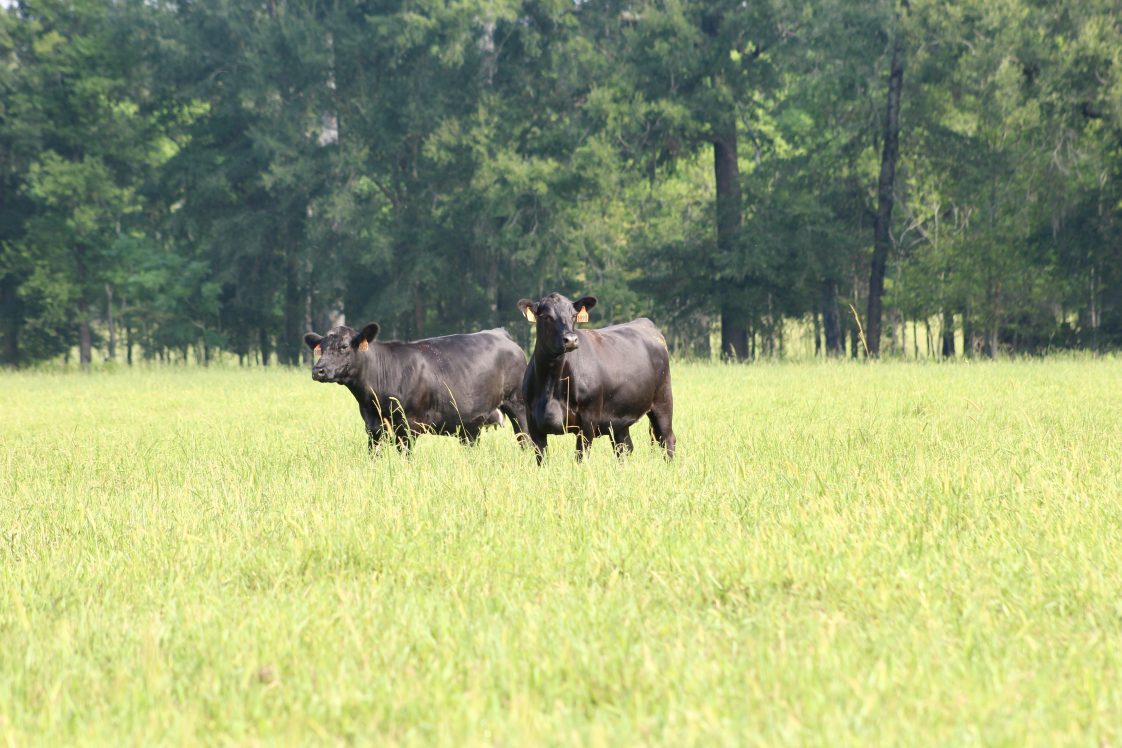
Stockpiling involves allowing a pasture to rest for a period of time in the fall to allow accumulation of the forage for cattle to graze in the winter. Fall stockpiling can provide enough forage to support the cattle herd for a month or more, bridging the fall-forage gap. Several forage species can be stockpiled in fall, including tall fescue and bermudagrass. However, research on the forage yield and nutritive value of other stockpiled species, such as bahiagrass, have been limited. The following information outlines results and key takeaways from recent on-farm trials that examined stockpiling bahiagrass.
Trial Results
Stockpiled bahiagrass was evaluated over two years on farms in Montgomery and St. Clair Counties.
Forage Yield
In St. Clair County, 60 pounds of nitrogen per acre was applied at the start of the stockpiling season, while no nitrogen fertilizer was applied at the Montgomery County location.
- The forage yield was greater when nitrogen fertilizer was applied.
- Rainfall, initial pasture conditions, and stocking rate also affected forage yield.
- On average, producers increased fall grazing days by 32 days with the addition of stockpiled bahiagrass.
Table 1. Average Forage Yield and Height of Stockpiled Bahiagrass Grown in Montgomery and St. Clair Counties
| County | Height (inches) | Yield (lb. of dry matter per acre) |
|---|---|---|
| Montgomery | 13 | 3,167 |
| St. Clair | 14 | 3,515 |
Nutritive Value
Nutritive value often declines over time as forage matures, which increases yield but reduces digestibility. Neutral detergent fiber (NDF) is a measure of intake, acid detergent fiber (ADF) is a measure of digestibility, and acid detergent lignin (ADL) is a measure of the indigestible component of the forage. Lower values for NDF, ADF, and ADL represent a more desirable forage quality. Table 2 shows average nutritive value results from this study.
- The nutritive value components meet the needs of a dry beef cow, except for crude protein (CP), which may need to be supplemented in some scenarios.
- The Montgomery location was greater in CP likely because of the forage remaining in a more vegetative state.
- Total digestible nutrients (TDN) results showed will provide adequate energy for maintenance. Typically, mature and dry beef cattle require approximately 52 percent TDN.
Table 2. Average Nutritive Values (% Dry Matter Basis) of Stockpiled Bahiagrass Grown in Montgomery and St. Clair Counties
| County | TDN | CP | NDF | ADF | ADL |
|---|---|---|---|---|---|
| Montgomery | 64.5 | 7.5 | 48.0 | 24.7 | 6.7 |
| St. Clair | 66.0 | 6.7 | 45.4 | 25.0 | 5.6 |
Trial Summary
Overall, stockpiled bahiagrass provided producers in this study with an additional 32 days of grazing, helping to reduce hay feeding costs. The results show that stockpiled bahiagrass meets or exceeds the energy requirements of a dry beef cow, though protein supplementation may be required. These findings highlight the importance of fertilizer application, grazing strategies, and forage management to optimize yield and nutritive value of stockpiled bahiagrass.
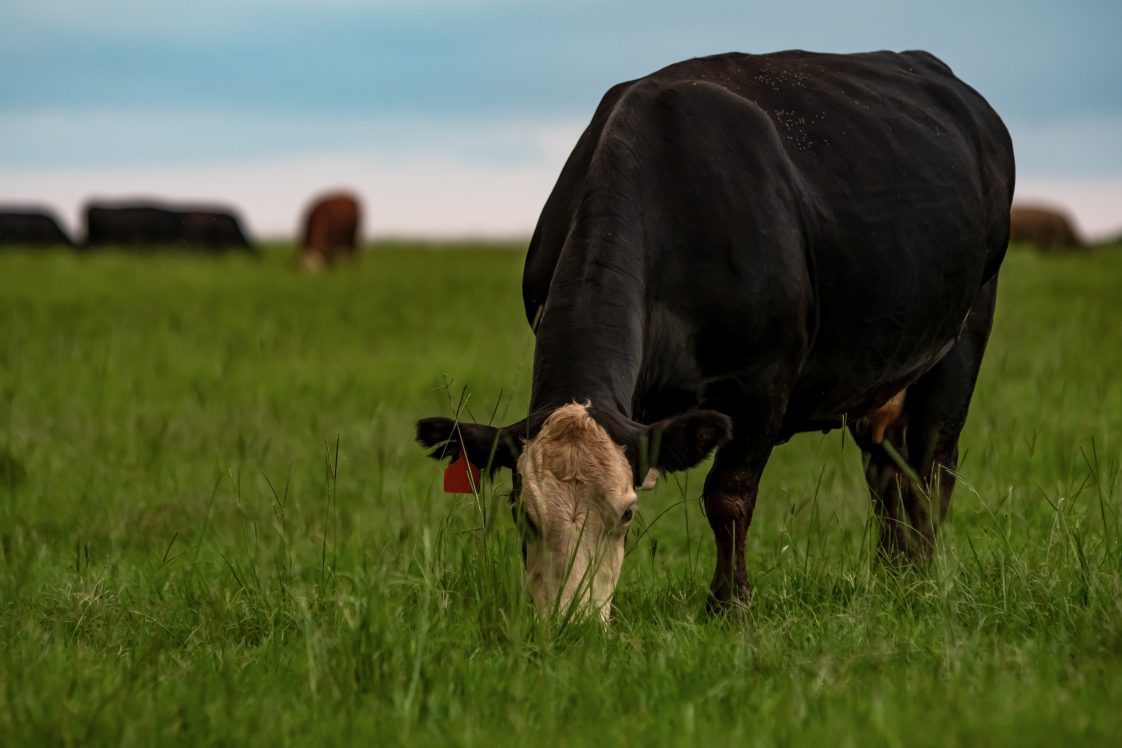 How to Stockpile Bahiagrass
Bahiagrass is a warm-season perennial that is common in Alabama and the Southeast. It grows well on sandy soils, tolerates low fertility, and handles close grazing and drought conditions. While the quality of bahiagrass declines as it matures, it provides adequate grazing for dry beef cows. Typically, the nutritive value of stockpiled bahiagrass has been reported at approximately 50 to 55 percent TDN and approximately 5 to 8 percent CP. Some protein supplementation may be needed for animals with greater nutritional requirements (e.g., backgrounders, lactating beef cows). The following information outlines how to stockpile bahiagrass:
- Graze or clip pastures to a 3 to 4 inch stubble height in late August or early September to remove low-quality forage and stimulate vegetative growth.
- After clipping, apply nitrogen fertilizer (approximately 50 to 60 pounds of nitrogen per acre) to improve forage yield and quality during the stockpiling period.
- Begin grazing the forage in late fall (October to December), when other warm-season pastures begin to slow growth and hay would need to be fed.
- Allocate only 1 to 3 days’ worth of forage at a time to reduce forage wastage. This can be accomplished using electric fencing to strip graze the pasture.
This research was funded by the Alabama Cattlemen’s Association state Beef Checkoff program and the US Department of Agriculture’s National Needs Fellowship.