
Animals

What Is the Barber-Pole Worm?
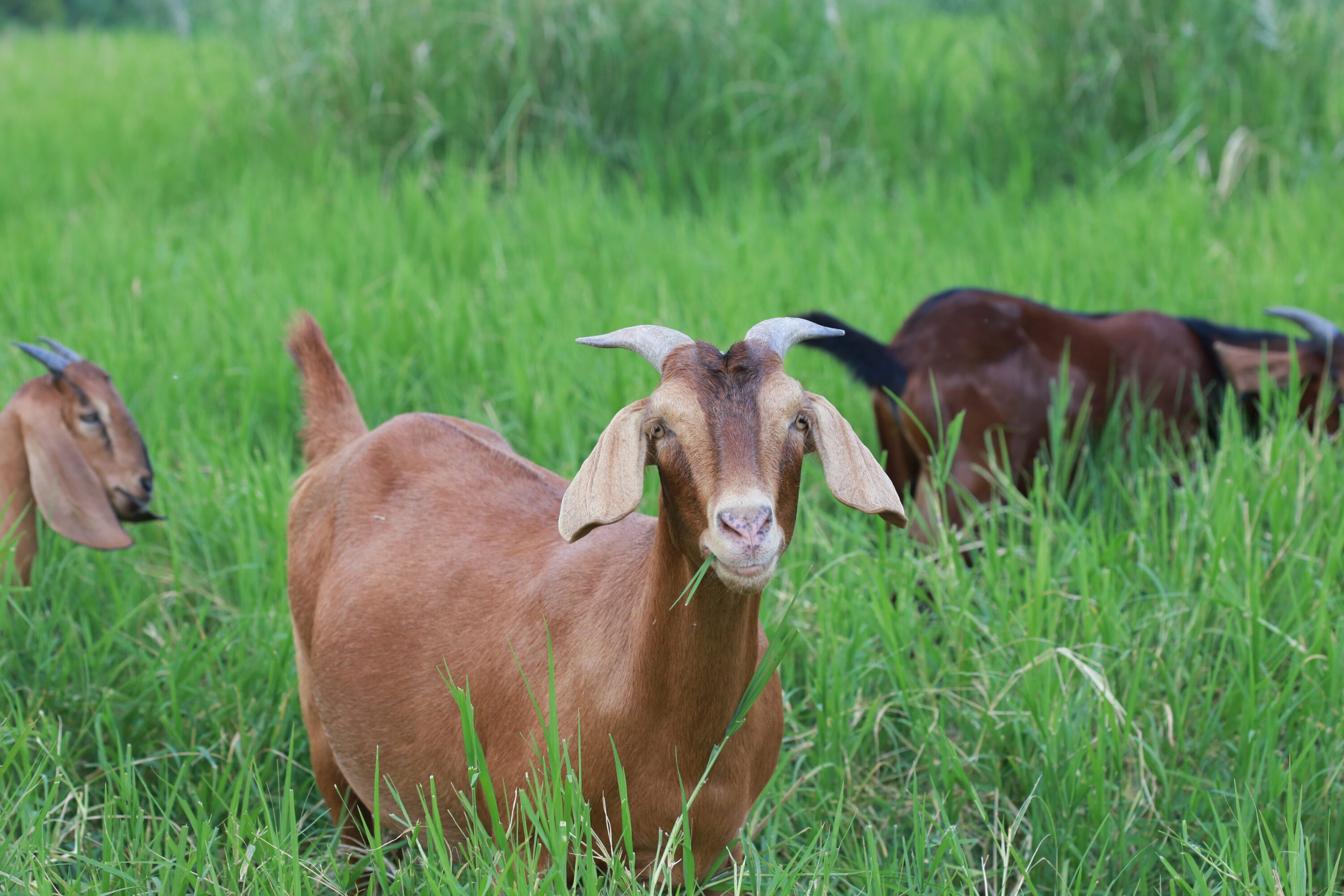
The barber-pole worm (Haemonchus contortus) is a blood-feeding parasite of sheep and goats. It lives in the abomasum, or true stomach, of small ruminants. Heavy infections can cause pale eyelids, weakness, poor growth, weight loss, bottle jaw, and death. Diarrhea may not occur, even with severe infection. Adult worms produce eggs that are shed in the animal’s manure. During warm, wet weather, the eggs develop into infective larvae called L3. Rain, dew, and moisture help the larvae move from manure onto nearby forage. Sheep and goats become infected when they swallow these larvae while grazing or foraging.
Why Forage Height Matters
Most infective larvae remain near the lower parts of the plants, where conditions are moist and protected from sunlight. Animals are more likely to swallow larvae when they graze near soil and manure. Farmers should move animals before forage falls below 4 inches or about 10 centimeters. When possible, leaving 4 to 6 inches of forage after grazing provides better protection.
Forage height does not prevent every infection.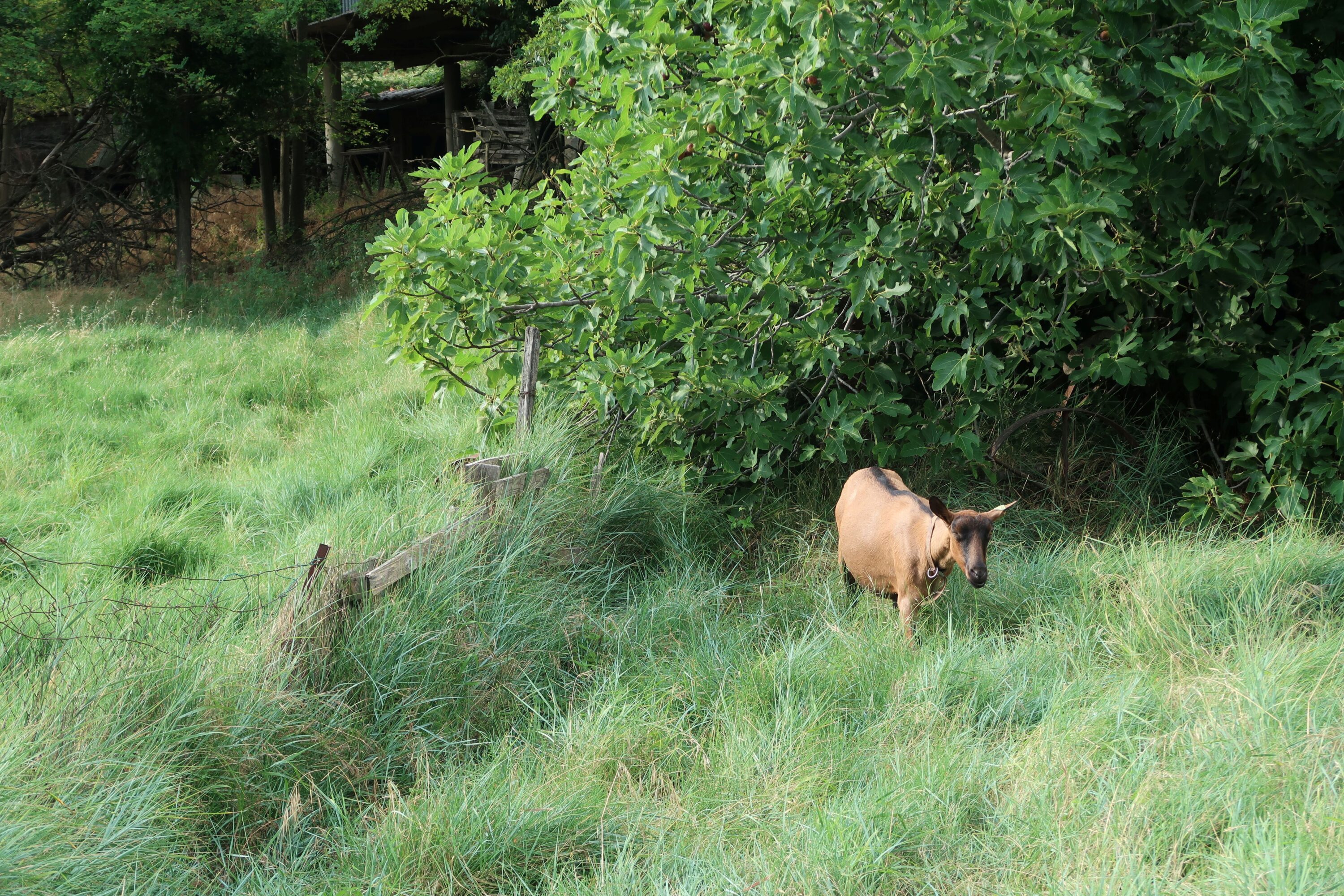 Keeping forage above 4 inches reduces exposure but does not completely prevent infection. Rain, dew, shade, and high humidity can help larvae move higher on plants. Taller grass can also provide a cool and moist environment where larvae survive. Forage height should therefore be used with other parasite-control practices.
Pasture Rotation
Divide the grazing area into paddocks and move animals before they graze below 4 inches. Rotation can reduce exposure to newly developed larvae and give forage time to recover. However, larvae may survive for weeks or months, so a rested pasture should not automatically be considered parasite-free.
Avoid overgrazing and overstocking. Overgrazing forces animals to eat close to the soil and manure. It also damages plant roots, slows pasture recovery, and reduces available feed. Too many animals in a paddock increase manure contamination and remove forage quickly. Match the number of animals to the available forage and provide another paddock or a dry lot when pasture is limited.
Measuring Forage Height
Farmers can measure forage with a ruler, grazing stick, rising plate meter, or electronic sensor. Regardless of the method, collect measurements from many representative areas because animals do not graze a pasture evenly.
Using a Ruler
A ruler is an inexpensive and simple tool for small farms. Walk through the pasture in a large “W” pattern and stop at several locations. Place the ruler upright with its base at soil level and measure the height of the main green leaf layer. Do not measure isolated seed heads or unusually tall plants. Record every measurement and calculate the average. Also, record the lowest measurements because short areas may expose animals to more parasite larvae.
Using a Grazing Stick
A grazing stick is a marked measuring tool designed for pasture management. Use it like a ruler by placing it vertically at soil level. In addition to forage height, some grazing sticks provide information about forage density, available forage, and expected grazing days. Take readings from short, medium, and tall areas. Move sheep and goats before many readings fall below the farm’s 4-inch stop-grazing height.
Using a Rising Plate Meter
A rising plate meter has a flat plate that slides down a marked shaft and rests on the forage. Thick or tall forage holds the plate higher, while short or thin forage allows it to fall lower. The instrument measures compressed forage height and may estimate available forage mass. Take many readings across the pasture and average them. Rising plate meters work best in fairly even grass pastures but may be less accurate in tall, stemmy, lodged, or mixed-species vegetation. Use the same meter and calibration method each time.
Using Electronic Sensors
Electronic sensors use lasers, sound waves, cameras, or other technologies to measure forage height. They may be carried by a person or mounted on a vehicle, all-terrain vehicle, or drone. These tools can quickly measure large areas and identify short or heavily grazed patches. However, check electronic readings regularly against ruler measurements taken at ground level. Sensors may be affected by seed heads, weeds, uneven ground, shadows, or dense plant growth.
Recording and Interpreting Measurements
Add all measurements and divide the total by the number of readings to calculate the average forage height. Also, record the lowest height and the number or percentage of readings below 4 inches.
Some parts of a pasture may be shorter and more contaminated than others. Carefully inspect areas around water containers, gates, feeders, shade, shelters, and resting places, as an acceptable average can hide these dangerous, short areas. Animals often gather, graze closely, and leave manure in these locations. Move animals when many areas approach the 4-inch stop-grazing height.
Keep Pasture Records
Record the pasture name, date, forage height, rainfall, number of animals, grazing dates, and pasture-rest period. Also, record FAMACHA scores, fecal egg-count results, and deworming treatments. These records help identify high-risk animals, pastures, and seasons.
For more information on small ruminants, visit www.aces.edu.