
About Us


Mission
Transforming lives through science-based information, practical solutions, and meaningful solutions.
Vision
Serving communities to grow a better Alabama and a better world.
Alabama Extension at Auburn University
From the Director
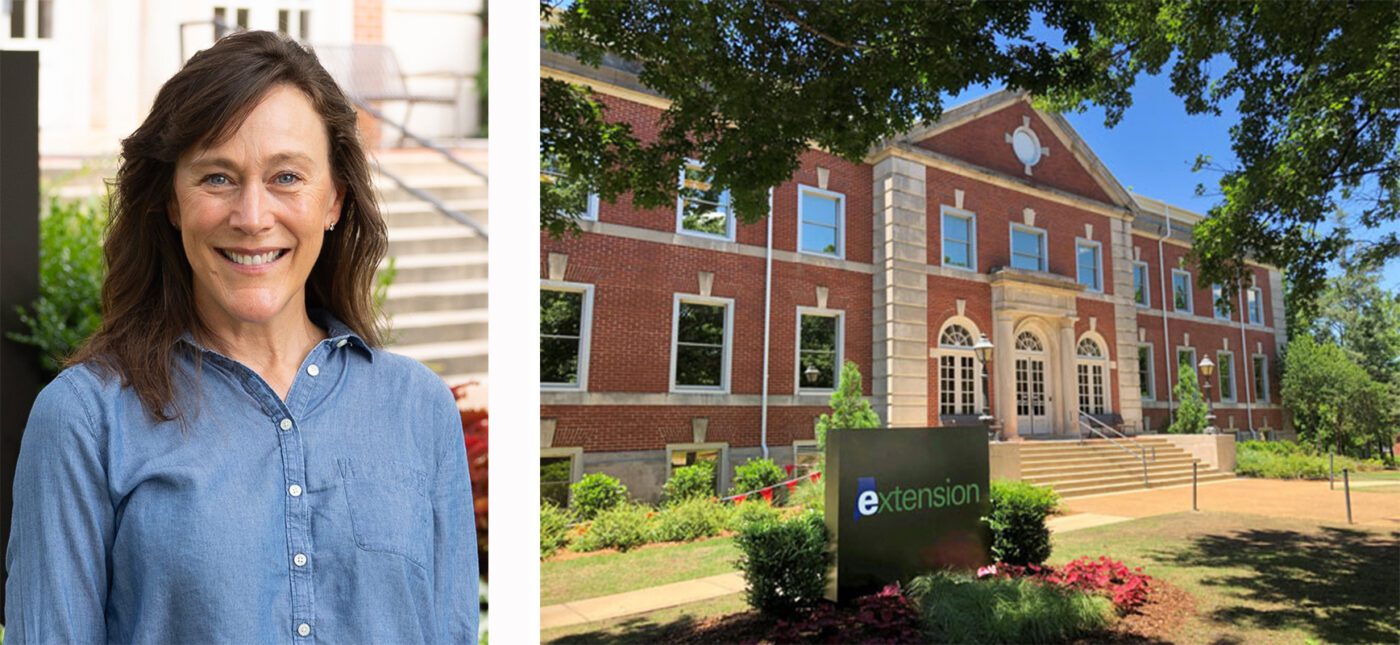 As we reflect on 2025, I am filled with gratitude for the dedicated Extension professionals, volunteers, partners, and stakeholders who make our mission possible. Across Alabama, Extension continues to deliver research-based information and practical solutions that improve lives, strengthen communities, and support economic growth. From agriculture and natural resources to health, youth development, and community vitality, our team meets Alabamians where they are with trusted expertise and a commitment to service. Central to this work is the strength of our relationships and the importance of local connections, ensuring that Extension remains responsive, relevant, and deeply rooted in the communities we serve.
This past year reinforced the tremendous value of Extension in a rapidly changing world. Our county offices, specialists, and educators responded to emerging needs with innovation, collaboration, and resilience. Whether through in-person workshops, digital learning opportunities, field demonstrations, or community partnerships, Extension remained a reliable resource for people across the state.
At the same time, we recognize that audience expectations are evolving. We’ve seen increasing interest in flexible learning opportunities, such as digital information delivery, that better align with busy schedules and changing preferences for accessing information. Providing for multiple delivery methods challenges us to think differently about how we engage our audiences, while still maintaining the personal connections that are the foundation of Extension’s success.
Looking ahead, Extension is committed to adapting to these changes through creative programming models, more intentional audience targeting, leveraging partnerships, and expanded marketing and outreach efforts. By strengthening our relationships, maintaining local connections, and embracing innovation while staying grounded in our mission, we will continue to serve Alabama with excellence for generations to come.

Eve Brantley
Director, Alabama Cooperative Extension System
By the Numbers
- 608—Full-time employees
- 18—Program teams
- 3,827—Educational events
- 204,940—Attended Extension programs
- 71,211—Impacted by SNAP-Ed and EFNEP
- 111,343—Alabama 4-H members
- 21,563—Pounds of produce donated through Grow More, Give More
- 150—News stories published
- $70 million—Annual budget
- $45.2 million—State appropriations
- $13.3 million—Federal and county appropriations
- $11.7 million—Grant revenue
Administration
- Eve Brantley, Extension Director
- Dana Boone, Director, Financial Services
- Mike Clardy, Director, Communications, Strategic Marketing, and Client Relations
- Jonathan Davis, Director, Information Technology
- Chris McClendon, Director, Human Resources and Strategic Partner Initiative
Alabama Extension at Alabama A&M University
From the 1890 Administrator

The Alabama Cooperative Extension System, through Alabama A&M University and Auburn University, remains an organization people can trust for science-based solutions to everyday challenges. Whether we are helping to reduce the rates of chronic diseases or minimizing harmful environmental impacts, we are committed to helping people and communities to thrive across Alabama.
During the past year, Alabama Extension at AAMU
- Helped at least 6 families to successfully resolve heirs’ property issues.
- Continued to expand outreach at The People’s Patch, an urban farm, by planting 300 fruit trees, moving small ruminants to the farm for live demonstrations with producers, and conducting pest and plant research.
- Diverted 53,209 pounds (27 tons) of e waste from public landfills.
- Enabled Go-Getter program participants to complete 185 certificates in workforce development and entrepreneurship.
Want to learn more? Visit us online or connect with us on social media.
- Alabama Extension at AAMU: www.aces.edu/urban
- AlabamaExtensionAAMU on Facebook
- Urban Extension News: www.aces.edu/go/UENews
- PeoplesPatchFarm on Facebook
- North Alabama Ag Expo: www.aamu.edu/agexpo
Our doors are always open to new partnerships and opportunities to serve and strengthen people and communities in Alabama.

Majed El-Dweik
Interim 1890 Administrator
By the Numbers
- 58—Full-time employees
- 1,554—Educational events
- 69,798—Attended educational events
- 538—Impacted by EFNEP
- 5,780—Impacted by SNAP-Ed
- 2,997—Alabama 4-H members
- 342,259—Pounds of fresh produce donated through The People’s Patch
- Note: Based on square footage planted and yield estimate charts
- $13.5 million—Annual budget
- $4.9 million—State appropriations
- $4.9 million—Federal and county appropriations
- $3.7 million—Grant revenue
Administration
- Majed El-Dweik, Interim 1890 Administrator and VP of Research & Economic Development
- Jennifer Wells Marshall, Associate Director
- Tamara Warren, Assistant Director, Urban Nutrition, Diet, and Health and Federal Nutrition Programs
- Amelia Mitchell, Assistant Director, Field Operations

Alabama Extension comprises seven geographic regions. An assistant director for field operations manages each region, providing leadership for all 67 county Extension directors and scores of agents and administrative assistants.
Real World Impact: Every County. Every Community. Real Results.
Alabama Extension exists to take research-based knowledge and turn it into practical solutions that improve lives. Across all 67 counties, Extension professionals work alongside farmers, families, youth, businesses, community leaders, and local governments to solve problems and create opportunities. While the programs and audiences may differ from one community to another, the mission remains the same: deliver education and resources that produce measurable impact.
Extension’s return on investment is found in stronger farms and businesses, healthier families, prepared youth, and more resilient communities. A producer adopting a more efficient management practice can increase profitability for years to come. A family learning financial skills can strengthen household stability. A student participating in a leadership program may become tomorrow’s entrepreneur, educator, or community leader.
Research and education create value when they are applied in real-world settings. Extension serves as the bridge that connects university expertise with the people and communities that need it most.
How Extension Makes an Impact
Serving people in every Alabama county | Delivering education in person and online | Expanding reach through volunteer service and leadership | Supporting agriculture, youth development, health, nutrition, economic development, and environmental stewardship | Connecting university research to local needs


2025 Impacts | Extension's Local Reach
Extension’s Local Reach
Impact Happens Locally
Extension’s reach begins at the local level. While statewide programs provide broad support and expertise, the most meaningful impacts often occur within individual communities where Extension professionals work directly with residents and stakeholders.
 Helping Local Farms Grow Forward
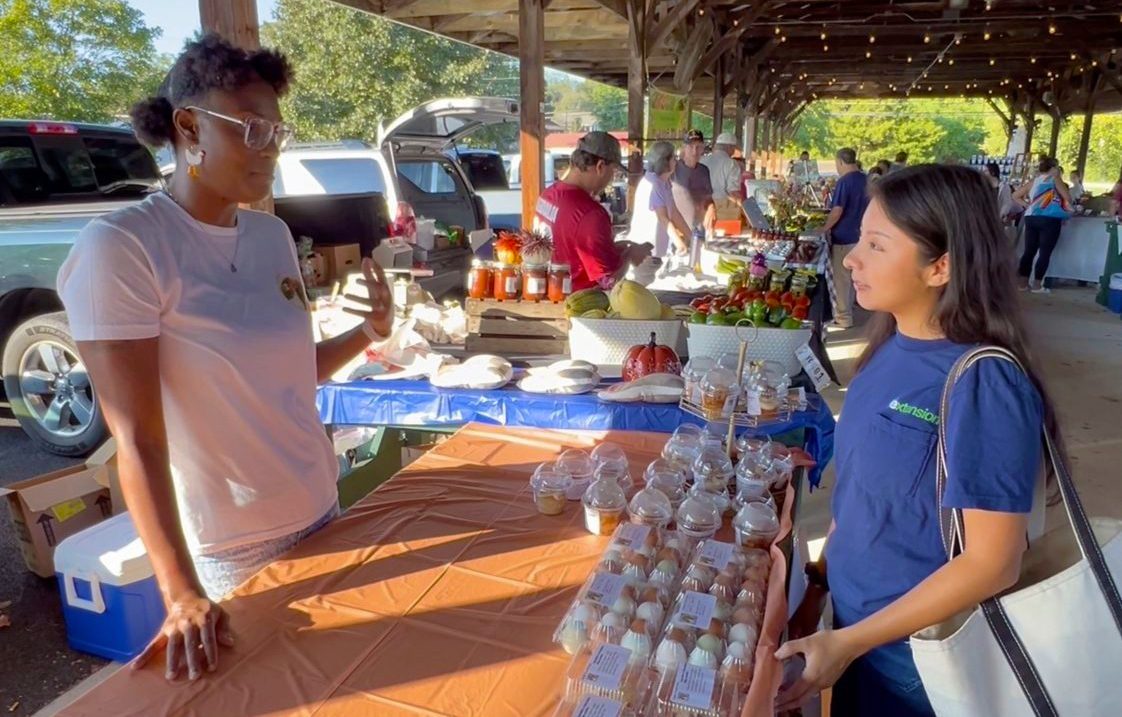
In Limestone County, Alabama Extension helped Chaidez Family Farms grow from a small backyard flock into a thriving local business with community impact. Through the county Extension office, the family received hands‑on guidance in farmers market promotion, food safety, permitting, and branding. Extension Agent Roshell Rosales Aguilar provided one‑on‑one support, answered questions, and connected the family to research‑based resources and workshops. Today, Chaidez Family Farms supplies fresh eggs to local customers, helps improve food access during periods of high egg prices, and strengthens the Athens Farmers Market. This success highlights how county‑level Extension equips families to build sustainable businesses, supports local economies, and strengthens community connections.
 From Soil Tests to Top Yields
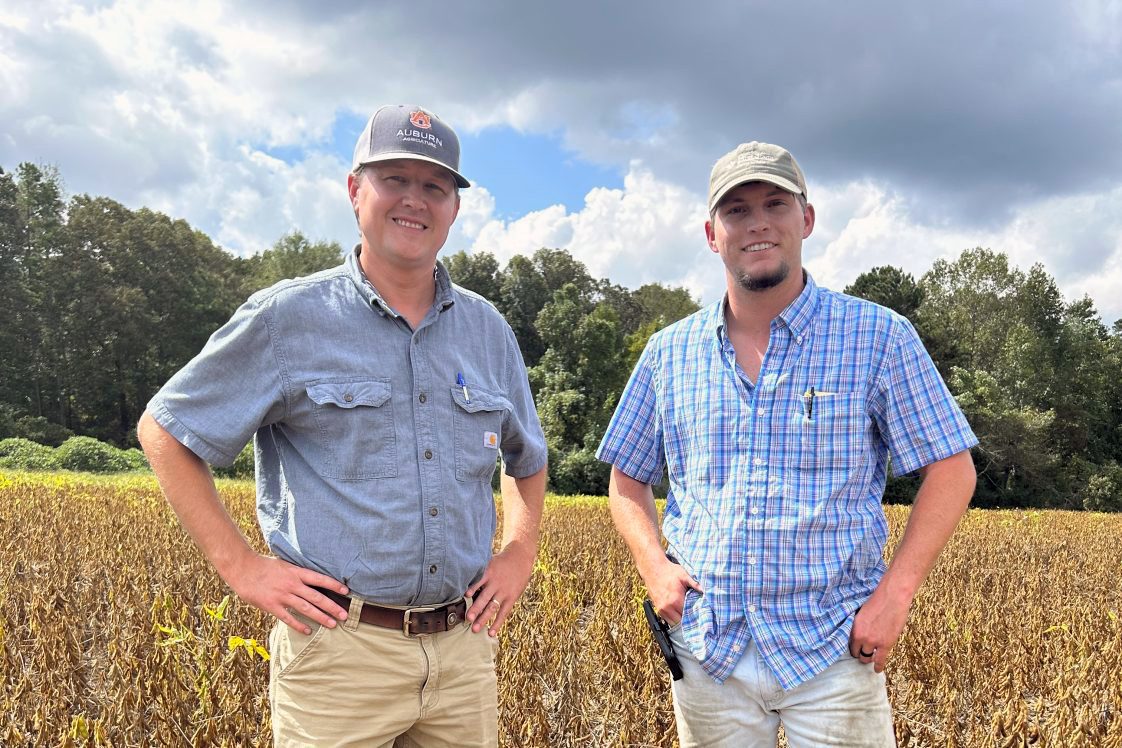
In Walker County, Alabama Extension is helping young farmers turn data into results. When beginning farmer Payton Key sought to improve soybean and corn production, Extension Agronomic Crops Agent Cade Grace recommended soil testing to guide nutrient management. Using the results, Key improved soil fertility with chicken litter—strengthening fields and earning second place in the State Soybean Yield Contest during a drought year. Extension also partnered with Key on a corn variety field trial. This identified which hybrids and crop protection strategies had the strongest return on investment, with some dryland yields nearing 300 bushels per acre. This locally trusted, science‑based guidance is helping young farmers make confident decisions, increase productivity, and build long‑term success.
Community Resources
County offices serve as local connections to university resources and practical education. They help identify emerging needs, build partnerships, and deliver programs that address community priorities.
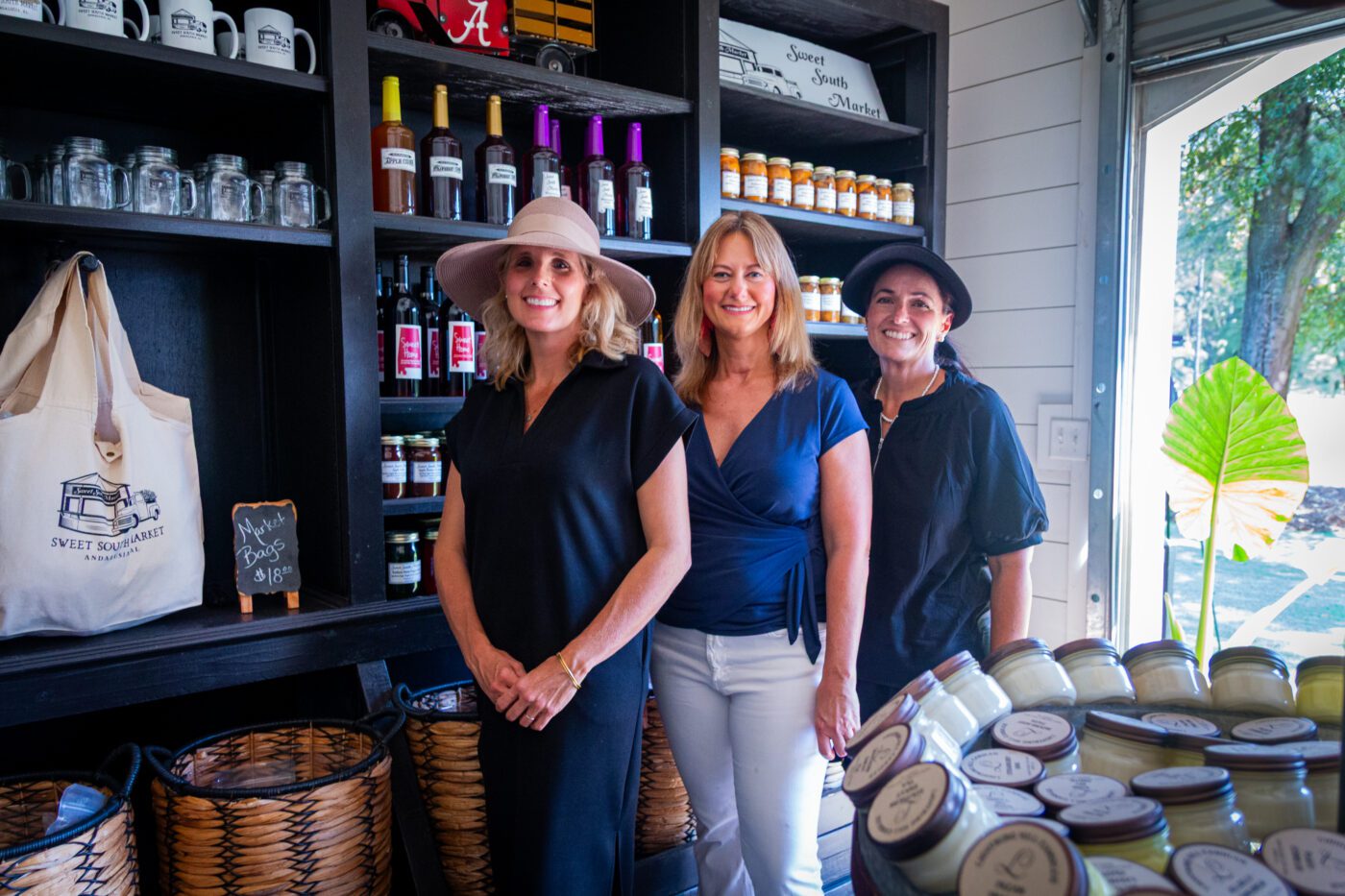 From Food Safety to Small‑Town Success
In Covington County, Alabama Extension helped transform a simple roadside idea into a thriving local destination. Sweet South Market began as a boiled peanut stand near Andalusia. With guidance from Extension Food Safety and Quality Agent Bridgette Brannon, the owners learned how to grow safely and legally. Cottage Food Law training supported expansion into baked goods, while ServSafe certification opened the door to offering hot and temperature‑controlled foods. Today, Sweet South Market is a café, gift shop, plant nursery, and family‑friendly stop for residents and travelers. This county‑level support strengthened local entrepreneurship, created economic ripple effects, and helped build a business rooted in Covington County pride.
Growing Community Through Master Gardeners
 Across Alabama, Extension professionals are turning local needs into lasting community benefits through the Master Gardener program. In Dale County, volunteers partnered with a middle school to build a pollinator garden that now serves as an outdoor classroom and calming learning space. In Talladega County, Extension guided the creation of an accessible sensory garden at the Presbyterian Home for Children, enhancing quality of life through inclusive design. In Mobile County, Extension and Master Gardeners revitalized a nonprofit vegetable garden that now provides fresh produce and hands‑on nutrition education. Together, these projects show how county‑level Extension builds partnerships, shares research‑based knowledge, and helps communities grow stronger—one garden at a time.
2025 Impacts | Auburn University
Auburn University
Agriculture, Forestry, and Natural Resources
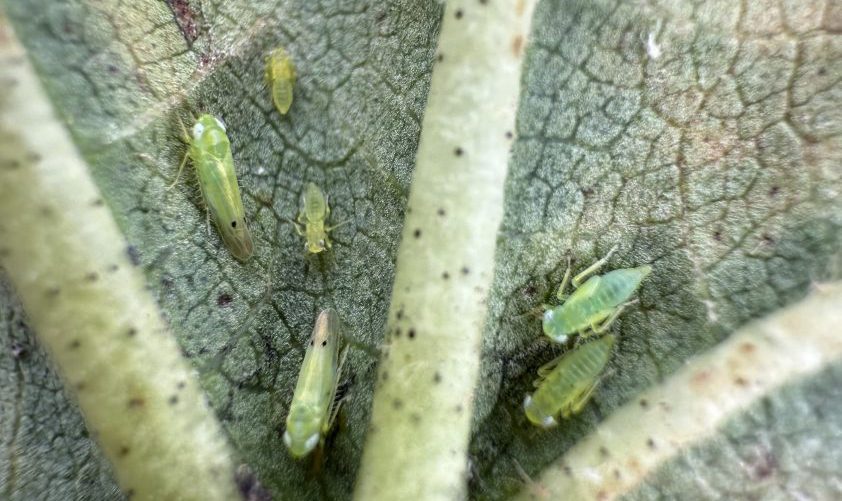 Rapid Response Protects Cotton Yields Statewide
In June 2025, the invasive cotton jassid pest was first confirmed in Alabama and quickly spread across much of the state, threatening cotton production with leaf damage and potential plant loss. Alabama Extension specialists and Auburn University researchers responded rapidly, partnering with southern region universities to conduct on‑farm and experiment station trials. Within the first season, the team identified effective insecticides, established initial treatment thresholds, and delivered practical scouting guidance to support growers’ timely, informed decisions.
As a result of this rapid response, producers treated approximately 50,000 acres of cotton, managing the pest while limiting unnecessary applications. Despite the outbreak, Alabama farmers achieved an average of two bales per acre for the first time in state history. This outcome demonstrates how science‑based Extension leadership helps producers respond to emerging threats, protect yields, and sustain productivity—even under challenging conditions.
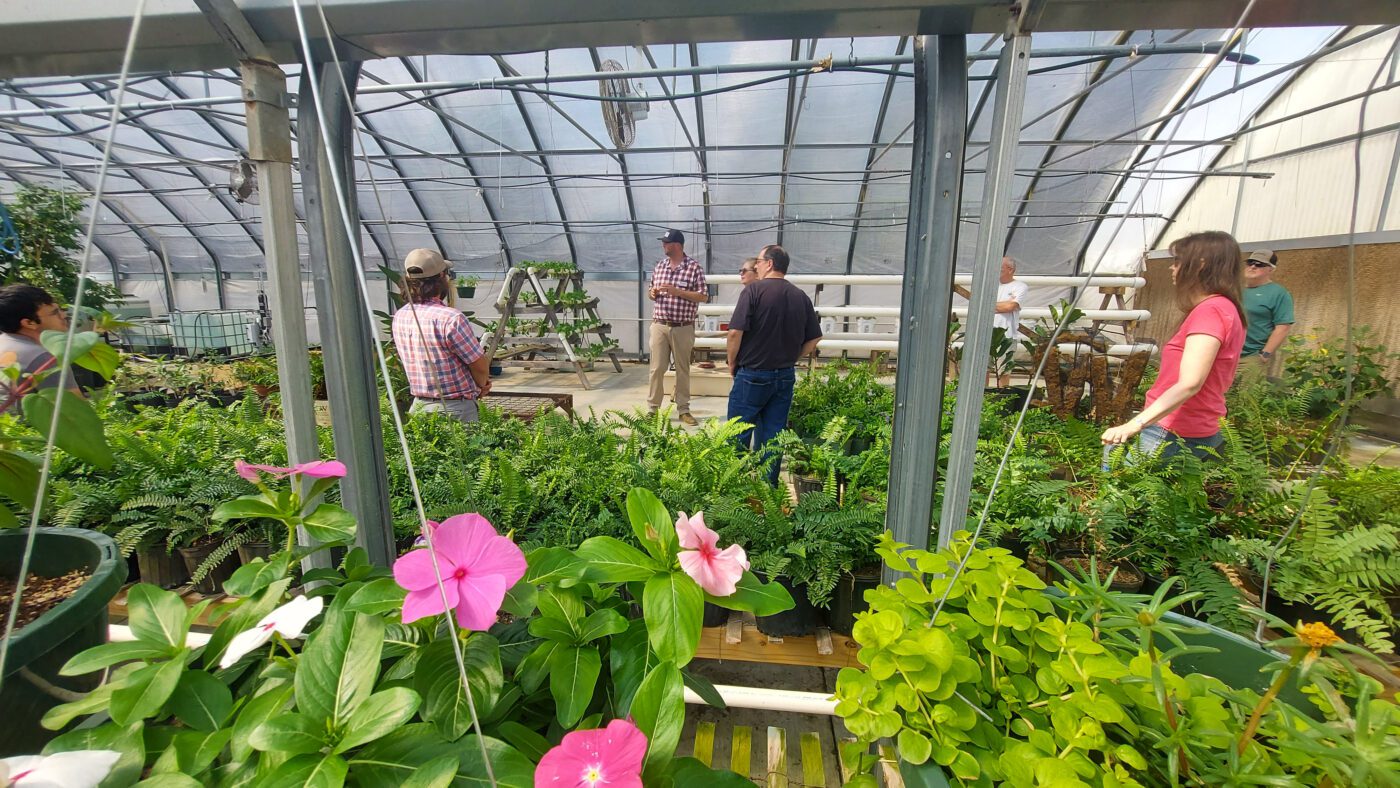 Training Today’s Workforce for a Safer, Stronger Green Industry
In 2025, Alabama Extension strengthened the state’s green industry workforce by delivering targeted education focused on pest management, nutrient management, and professional certification. Through 40 training events, Extension reached 1,417 green industry professionals statewide, supporting regulatory compliance and best management practices across multiple sectors.
Programs included exam‑review workshops to help applicators prepare for commercial licensure, statewide outreach such as the Turf Road Show, and industry partnerships that expanded access to both in‑person and online learning. Additional hands‑on and virtual training supported greenhouse operations, Christmas tree production, and continuing education needs.
As a result, participants increased their readiness for certification, improved pesticide stewardship, and strengthened professional skills critical to employment and business operation. This work benefits not only the industry but also communities statewide through safer applications, responsible land management, and improved service quality.
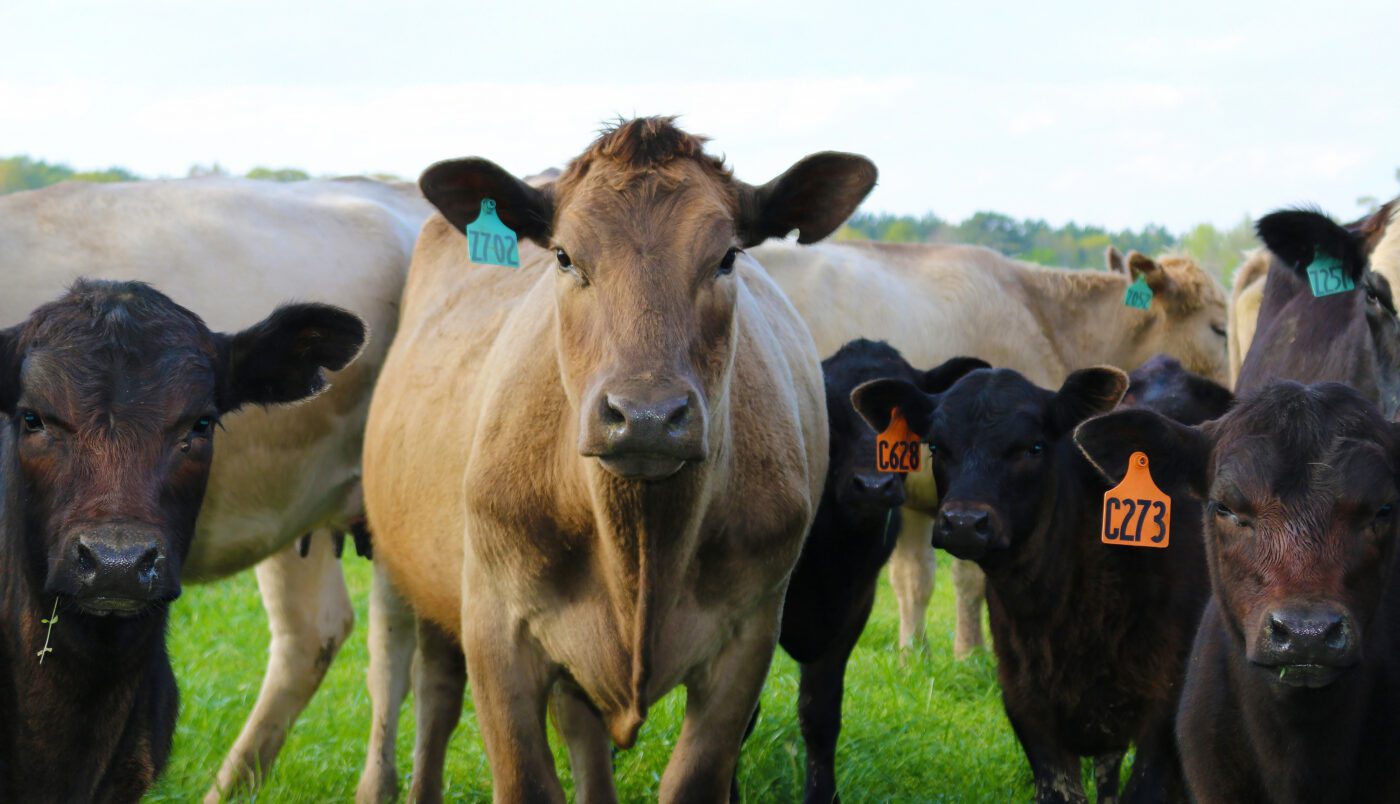 Equipping Producers to Navigate Risk and Volatility
The Alabama Extension Farm and Agribusiness Management team delivered timely education to help producers and agribusinesses navigate an increasingly volatile agricultural economy. Through more than 100 in‑person and virtual programs across 43 Alabama counties and neighboring states, the team reached 3,900+ producers, landowners, and stakeholders with practical guidance on production, marketing, finances, and policy risk.
Impact extended beyond the state through the national symposium Surviving High Cattle Prices, which convened leading livestock economists and production specialists from across the country. Collaborative publications from this effort served as the foundation for a national train‑the‑trainer webinar series, empowering Extension agents nationwide to support producer planning during periods of extreme price volatility.
By strengthening decision‑making, resilience, and long‑term viability, this work supports a stable food and fiber system essential to economic security and rural sustainability.
- Maintained 40+ enterprise budgets for Alabama producers
- Published 26 Extension publications, budgets, and web articles
- 300+ subscribers receive the weekly Profit Profiles market update newsletter
- 10 Alabama Heirs Property Alliance events reached 329 attendees
- 12 market outlook meetings reached 465 participants
- 23 marketing meetings reached 660 participants
- 18 financial risk management programs reached 934 participants
 Statewide Weed Management
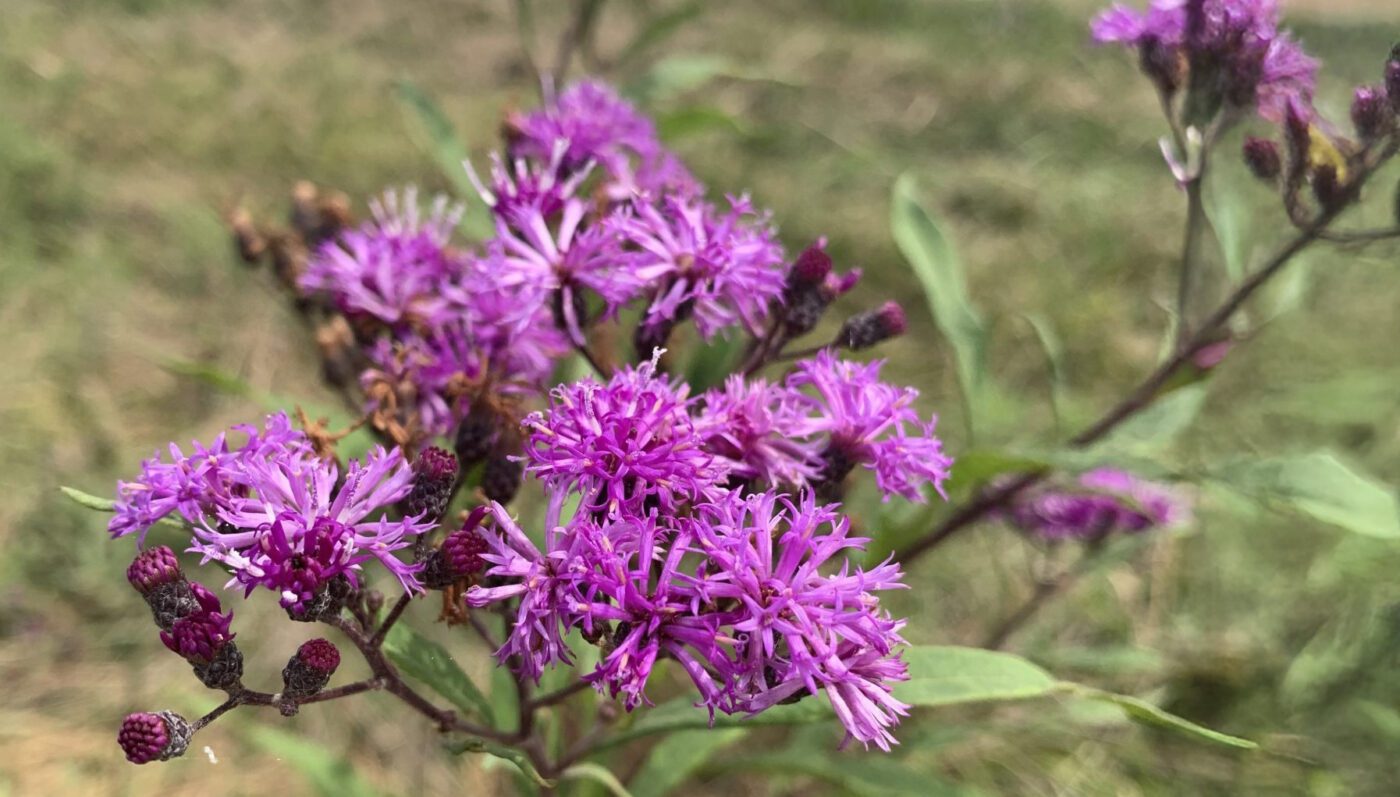
Weed management has remained a critical priority for Extension clientele across Alabama, driven by the scale of forage production and the need to manage vegetation along agricultural and transportation corridors. To address these challenges, the Animal Science and Forages team delivered research‑based programming focused on integrated weed management, herbicide selection, and accurate species identification.
Through hands‑on demonstrations and applied education, participants gained practical skills to improve decision‑making in pasture and land management.
Feedback from these programs indicates strong intent to adopt recommended practices, along with measurable gains in knowledge of weed identification and pasture management.
As a result, producers reported improved herbicide stewardship, more effective application timing, and increased confidence in management decisions. These outcomes contribute to reduced input costs, improved forage productivity, and more sustainable vegetation management—extending the program’s impact across farms, communities, and landscapes statewide.
- 4+ million forage acres impacted
- 30,000+ lane miles supported
- 22+ programs delivered to 1,300+ producers, land managers, and stakeholders reached across 67 counties
- More than 85% plan to adopt improved practices
- 94% increase in weed identification knowledge
- 83% increase in pasture management knowledge
Federal Nutrition Programs
 Advancing School Walkability Through Community Action
The Thriving Communities team partnered with 10 Alabama communities to improve school‑area walkability through hands‑on walk audits that engaged local voices. With support from county Extension directors, each audit brought together students, parents, educators, local leaders, and public safety officials to assess conditions for walking and bicycling around schools.
Audits followed a one‑mile route during afternoon dismissal, allowing participants to observe safety and accessibility during peak traffic. Across all communities, 100+ participants evaluated more than 200 roadway segments and intersections, identifying key safety concerns, and opportunities for improvement.
Using this input, the team assessed every roadway and intersection within a half‑mile radius of each school, helping communities prioritize the routes and infrastructure changes most critical to safe, active transportation. This work sets the foundation for demonstration projects planned for 2026–2027.
Building Healthier Families Through Nutrition Education
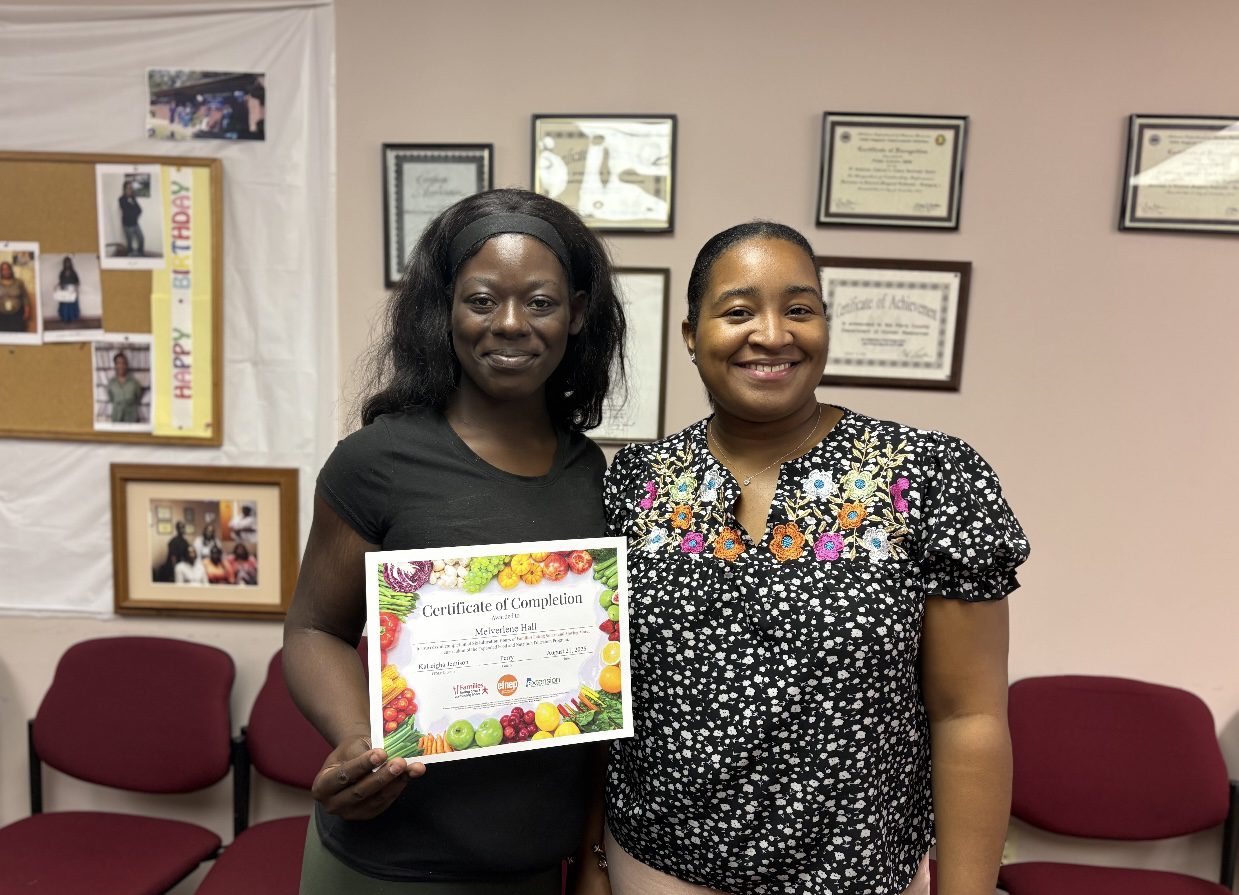 In 2025, Alabama’s Expanded Food and Nutrition Education Program (EFNEP) reached 9,332 adults and youth across 31 counties, equipping participants with practical skills to prepare nutritious meals, stretch food dollars, and build healthier lifestyles. Adult participants reported strong outcomes:
- 96% improved diet quality
- 93% strengthened food resource management
- 77% increased physical activity
- 75% improved food safety practices.
Youth participants also showed meaningful gains:
- 90% improved diet quality
- 68% increased physical activity
- 62% strengthened food safety skills.
Beyond reported outcomes, EFNEP supported real behavior change. In one county, participants reduced fast‑food consumption from more than 10 times per week to once per week, demonstrating how EFNEP helps families adopt sustainable habits that improve health and long‑term food security.
Human Sciences
Master of Memory: Supporting Cognitive Health in Older Adults
Human Sciences Extension partnered with Texas A&M University to deliver Master of Memory, a six‑lesson educational series designed to help older adults strengthen memory function and confidence. The program explains how memory works and provides practical strategies related to learning, nutrition, medications, physical activity, and management of health conditions that affect memory.
Pre‑ and post‑program assessments of 202 participants showed statistically significant improvements across multiple indicators of memory function. Participants reported higher satisfaction with their memory, reduced perceptions that their memory was worse than others their age, and greater confidence in their ability to remember everyday tasks. Participants also increased the frequency of using five evidence‑based memory strategies, including establishing routines, focusing attention, recording information, retracing steps, and taking breaks when frustrated.
By increasing awareness of modifiable risk factors, Master of Memory empowers older adults to take proactive steps that support cognitive health, independence, and quality of life.
 Money Goals: Building Financial Confidence and Stability
Human Sciences Extension agents delivered the Money Goals program to help adults strengthen financial skills and reduce financial stress. In 2025, participants engaged in a series of classes focused on saving, credit, debt, and monthly cash flow management, with practical tools designed to support informed financial decision‑making.
Participants reported meaningful behavior change across all topic areas. After completing credit workshops, many felt more confident reviewing credit reports and took steps to verify their information. Spending workshops increased participants’ knowledge of tracking expenses and confidence in creating monthly plans, with many adopting bill calendars to stay organized. Debt workshops helped participants gain new strategies to manage debt, improve understanding of debt‑to‑income ratios, and begin debt action plans.
Overall, Money Goals increased participants’ sense of control over personal finances, reduced financial stress, and supported behaviors that contribute to long‑term financial well‑being.
- 87 programs delivered to 1,084 adults
- 72.2% increased confidence in credit report accuracy
- 51% reviewed their credit reports
- 88.6% expressed confidence creating a monthly spending plan
- 42.9% began using a bill calendar
- 65% reported reduced financial stress related to debt
 Health Extension for Diabetes: Strengthening Self‑Management and Well‑Being
Alabama Extension partnered with Clemson University and other land‑grant institutions to deliver Health Extension for Diabetes, an evidence‑based education and support program funded through a Centers for Disease Control and Prevention expansion grant. In 2025, 74 participants completed the program through four online and three in‑person cohorts spanning 21 counties and supported by trained Extension agents.
Participants demonstrated meaningful health improvements, including weight reduction, increased diabetes knowledge, greater confidence in managing their condition, and reduced feelings of being overwhelmed. To extend program impact, Alabama Extension developed 20 county‑level resource guides addressing social determinants to health that affect diabetes management.
By improving self‑management skills and connecting participants to local resources, the program supports better health outcomes, prolonged workforce participation, and reduced health care costs, strengthening both individual well‑being and community resilience across Alabama.
 Emerging Relationships: Building Skills for Lifelong Success
In 2025, 358 youths participated in Emerging Relationships, a positive youth development program delivered through a partnership with the Dibble Institute. The program focuses on building essential skills such as confidence, responsibility, social skills, and self‑regulation, helping young people succeed academically, form healthy relationships, and make positive choices.
Following participation, youth demonstrated meaningful improvements in both positive youth development skills and self‑regulation, including managing emotions and behavior. These gains contribute to reduced family conflict, more supportive classroom environments, and communities better served by engaged, prepared youth. By strengthening foundational life skills early, Emerging Relationships helps reduce the need for costly interventions later, creating long‑term benefits for youth, families, and communities.
4-H Youth Development
 Desper’s Dozen
Through Alabama 4‑H, a Morgan County Chick Chain project became the foundation for Desper’s Dozen, a youth‑led egg business built on responsibility and real‑world learning. Caring for a small flock evolved into lessons in time management, problem‑solving, and decision‑making, while recordkeeping and customer interactions introduced entrepreneurship. Turning excess eggs into a marketable product helped build confidence and a strong work ethic.
“When I signed up for Chick Chain, I thought it was going to be this little event, but I was really wrong,” Desper Dobbs said.
With guidance from Extension and support from family, the project expanded over multiple years, reinforcing leadership and initiative. Desper’s Dozen shows how 4‑H transforms curiosity into capability by pairing mentorship with hands‑on experience, preparing youth to contribute to their communities and laying a foundation for future education, careers, and leadership.
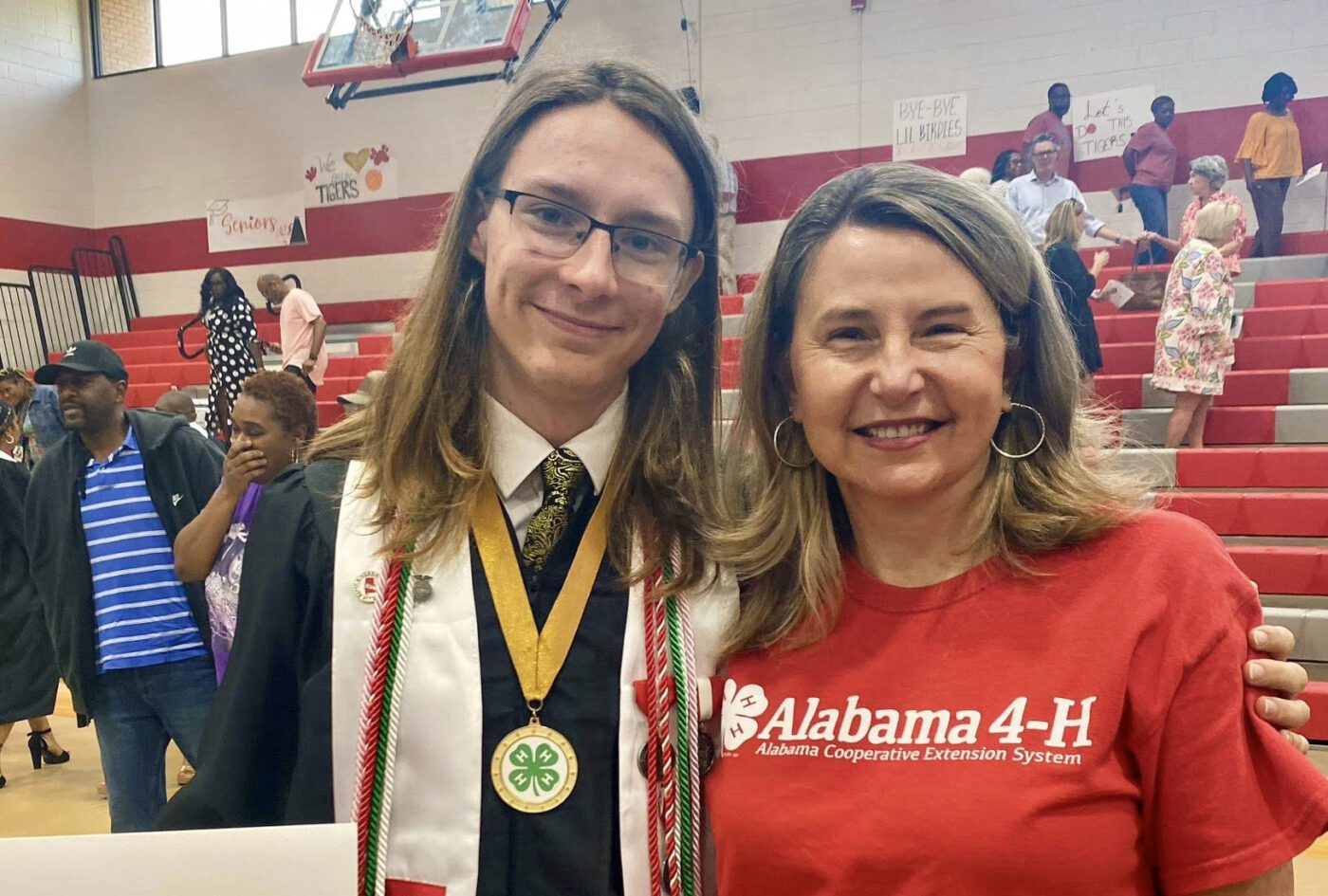 Alabama Joins 4-H Beyond Ready Initiative
To meet growing challenges in workforce readiness, education, and civic engagement, Alabama 4‑H joined the National 4‑H Beyond Ready initiative, a research‑based framework preparing youth for college, careers, military service, and leadership. Adopted during the 2024–2025 club year, the approach guides efforts to expand academic and career readiness, invests in youth development professionals, and mobilizes partnerships across communities and industries.
Through programs focused on agriculture, healthy living, and STEM, Alabama 4‑H reached more than 111,000 youths across all 67 counties. Beyond Ready strengthens pathways to success by connecting young people to workforce opportunities vital to Alabama’s economy while equipping educators with tools to serve communities effectively. Through the Beyond Ready Initiative, Alabama 4‑H will focus on building partnerships, retaining 4-H’ers, and expanding programming through in person and virtual means to grow the 4-H program from 6 million to 10 million youths nationally by 2030.
5 Alabama 4-H’ers Complete First Cohort of National 4-H Leadership Academy
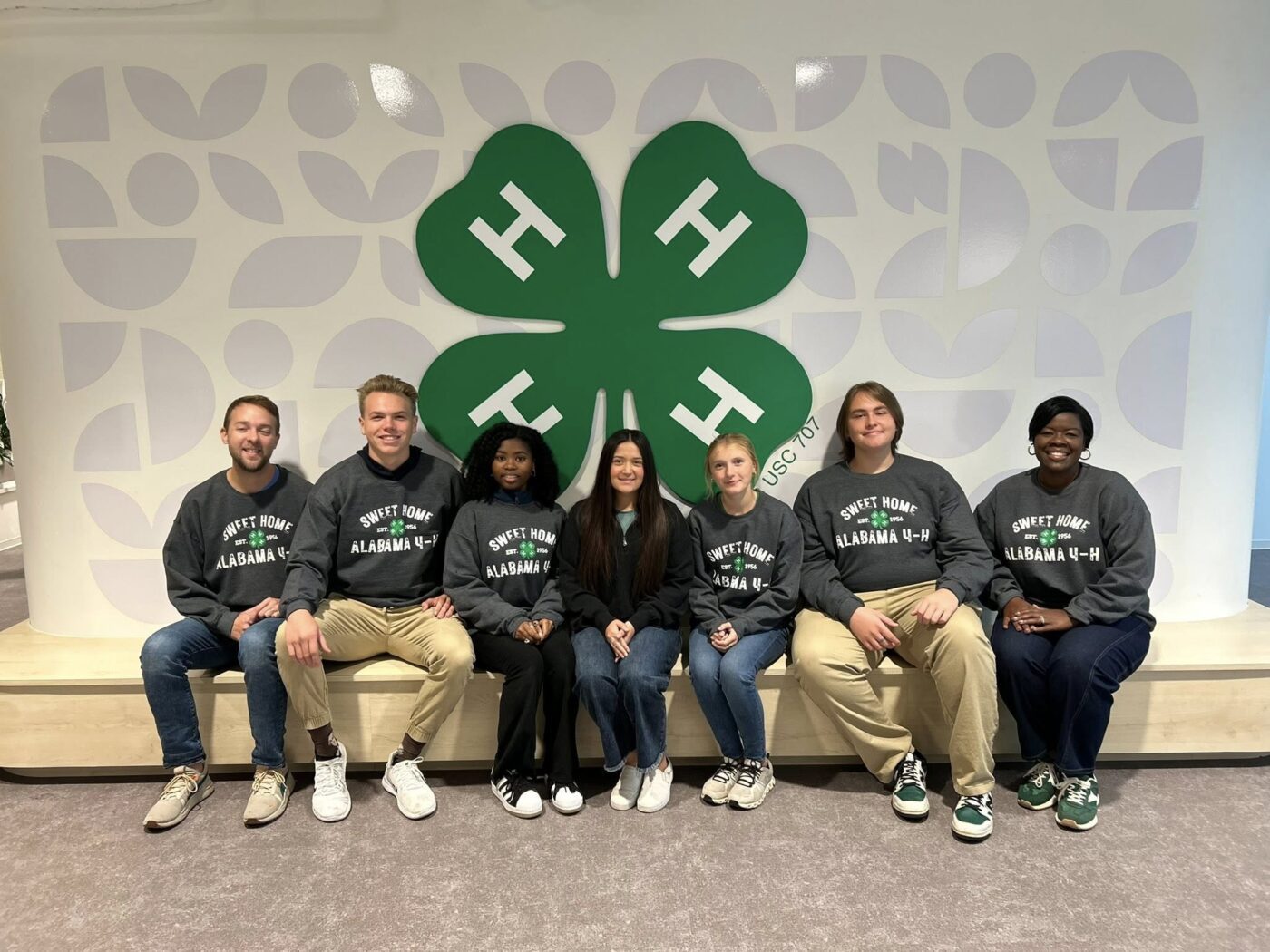 Auburn University is one of five 4-H Cooperative Extension land grant universities to participate in the first cohort of the National 4-H Leadership Academy. Known as Roth Scholars, 25 high school students from five states received stipends to support research projects to address challenges in their communities. Mentors supported their studies in areas such as ethical decision-making, logic and reasoning, conflict resolution, and written and verbal communication. Upon the completion of the two-year program and their research project, each participant received a scholarship toward the next step in their education.
The National 4-H Leadership Academy is a partnership between National 4-H Council and the late Joel Roth who provided a $1.1 million gift to launch the academy, with the goal of seeing the Roth Scholars implement the lessons learned to drive research-based community impact. Alabama 4-H is participating in the second cohort of the academy, kicking off in May 2026 and concluding in 2028.
- 111,343 Alabama 4-H’ers in 2,710 4-H Clubs
- $58,500 Awarded in 4-H postsecondary scholarships
- 644 Alabama schools with 4-H Clubs
- 4,190 4-H volunteers with a $2.6 million volunteer impact
2025 Impacts | Alabama A&M University
Alabama A&M University
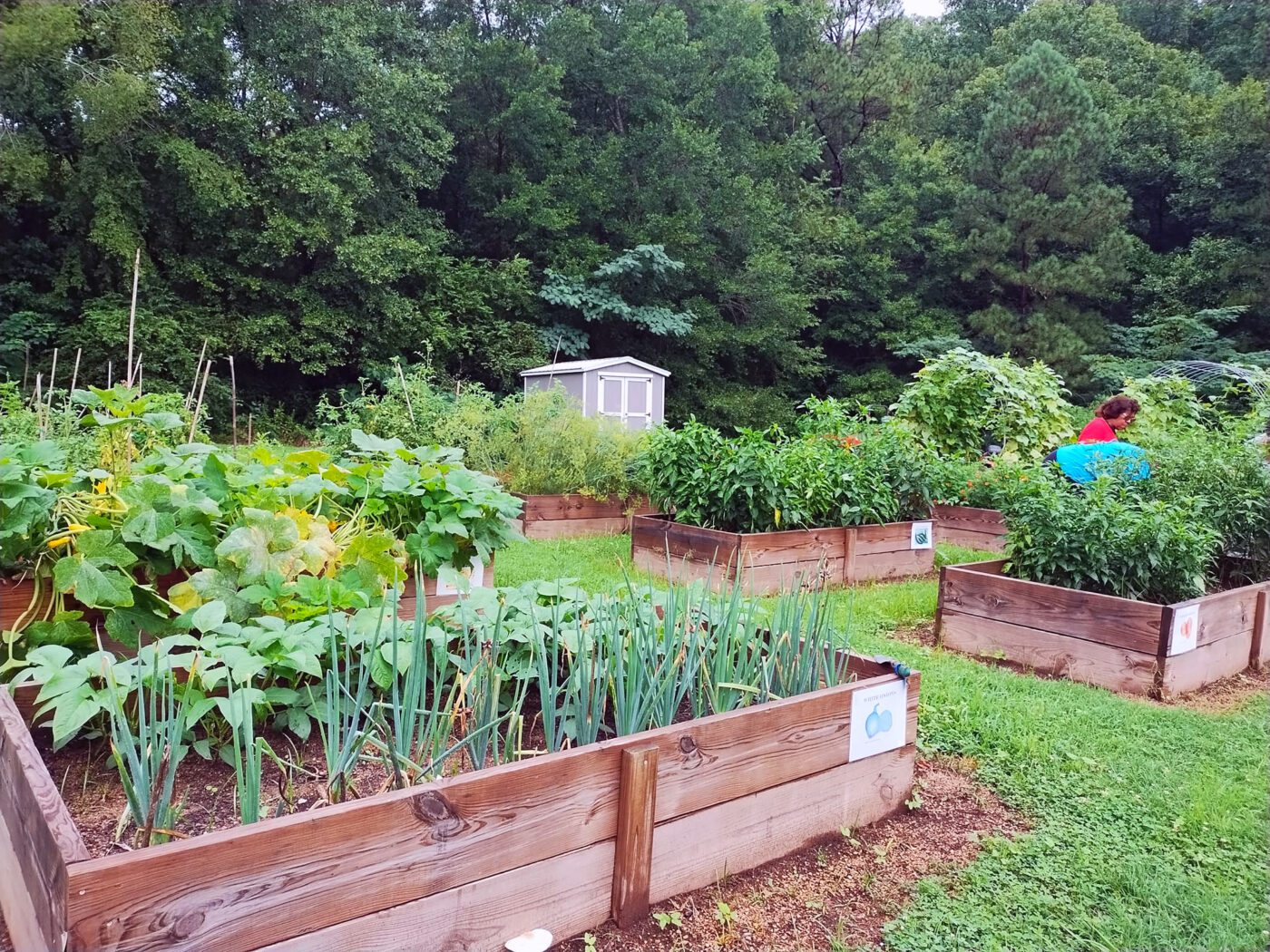 Community Garden Grows Hope
What began as a simple flyer and a collaborative Alabama Extension effort have grown into a powerful community resource in Calhoun County. The Hobson City Community Garden is rooted in cooperation, operating on a sweat‑equity model that allows volunteers to share in the harvest they help grow. This approach, combined with a no‑cost policy, supports seniors, homebound residents, and families living in low‑income, low‑access areas.
In 2025, the garden produced 500 pounds of fresh produce, benefiting 70 families, while volunteers contributed 166 service hours. The garden’s success earned statewide recognition through a Search for Excellence award in the Master Gardener Volunteer Service competition. Today, the Hobson City Community Garden stands as a model for how Extension partnerships can nourish both people and community pride.
Building Financial Confidence Together
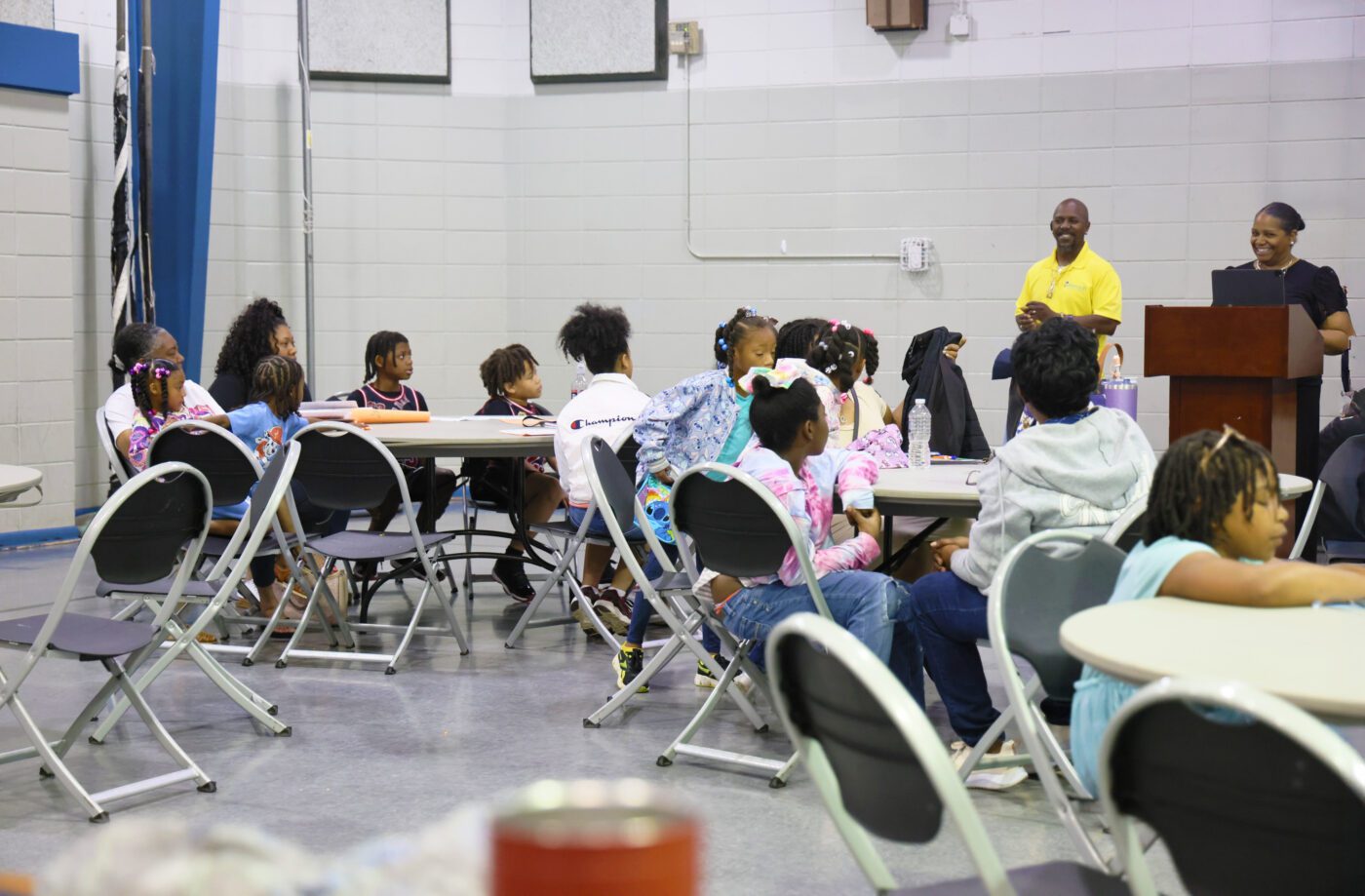 The Parent‑Child Financial Literacy in Progress Program (PC‑FLIPP) is helping Alabama families build stronger financial habits side by side. Funded through US Department of Agriculture’s Children, Youth, and Families at Risk program, PC‑FLIPP provides parents and children with practical financial education, hands‑on activities, and tools to support long‑term stability.
“During the program, I started thinking about how I could spend more appropriately and started looking at how I could reduce spending,” Westbrook said.
For participant Brianna Westbrook, the program sparked meaningful change. Through PC‑FLIPP, she improved her budgeting practices and increased her credit score by 60 points through learning to report utility payment history to credit bureaus. At the same time, her young son began saving allowance money and developing positive financial habits early. By engaging all generations, PC‑FLIPP helps families strengthen money management skills together, building confidence, stability, and a stronger financial future.
Supporting Healthier, More Active Lives
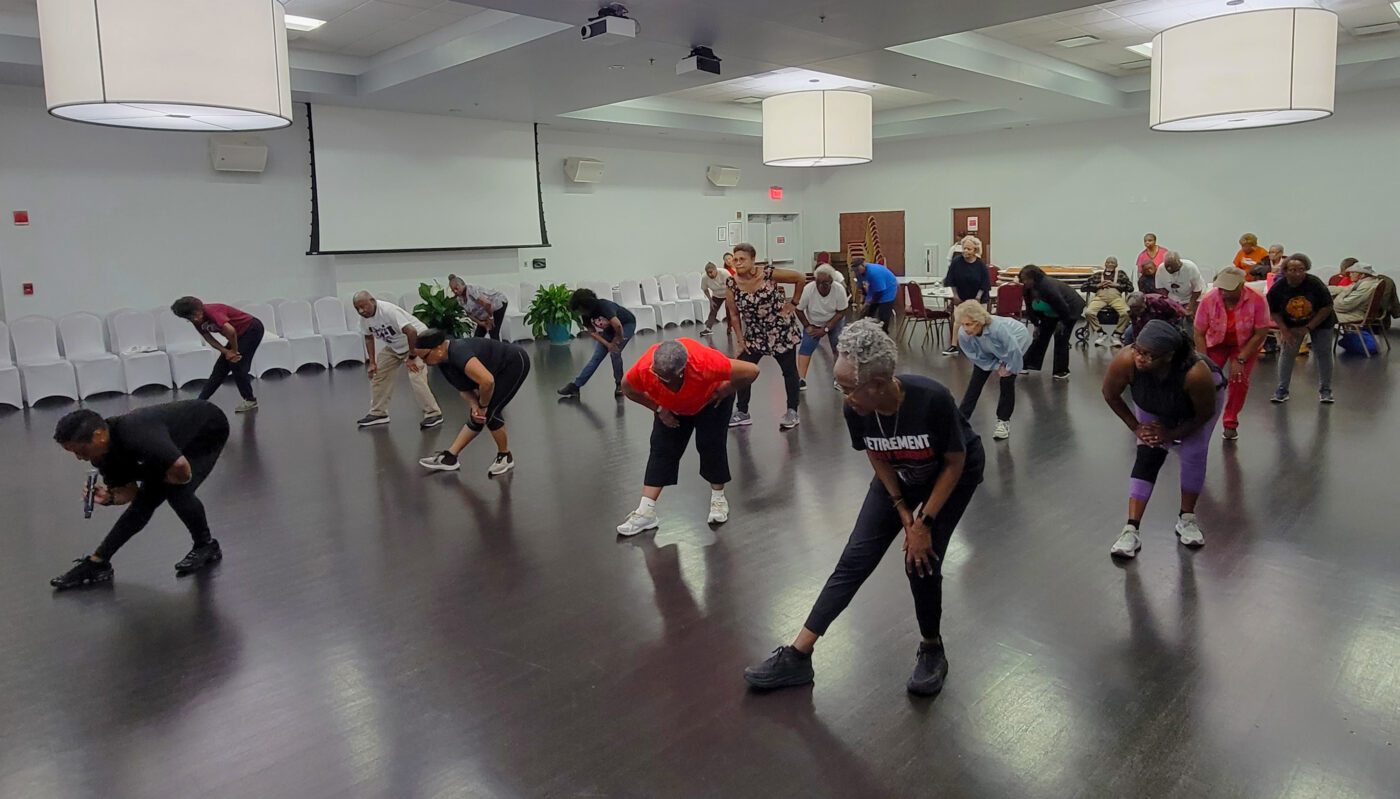 The Community Health Aerobic Motivational Program Initiating Optimal Nutrition (CHAMPION) program helped improve health and nutrition outcomes for 7,468 adults across eight counties through a combination of 278 in‑person and 38 virtual educational sessions. The program reached a strong representation of older adults, focusing on sustainable lifestyle changes that support long‑term wellness.
Following participation, most individuals reported increased physical activity and exercise. Participants either maintained regular routines or adopted new forms of movement, including walking, aerobic exercise, dance, and strength training. By making physical activity more accessible and achievable, CHAMPION supports healthier habits, improved quality of life, and reduced health risks, demonstrating how Extension programs can positively affect individual well‑being and community health.
2025 Impacts | Visibility Campaign
Visibility Campaign
Telling the Extension Story
For many Alabamians, Extension has been improving lives for generations. Yet some residents are still catching on to the breadth of services and expertise available through Alabama Extension. This year, Alabama Extension continued strengthening awareness efforts to ensure that communities understand the resources available to them and the impact those resources have on everyday life.
Extension Week
Extension Week created a coordinated, statewide platform for county offices, specialists, faculty, and staff to elevate the visibility of Extension through local events, office visits, presentations, social media spotlights, news outreach, and community partnerships. This collective effort highlighted Extension’s people, services, and educational resources while strengthening public connection to local offices and programs.
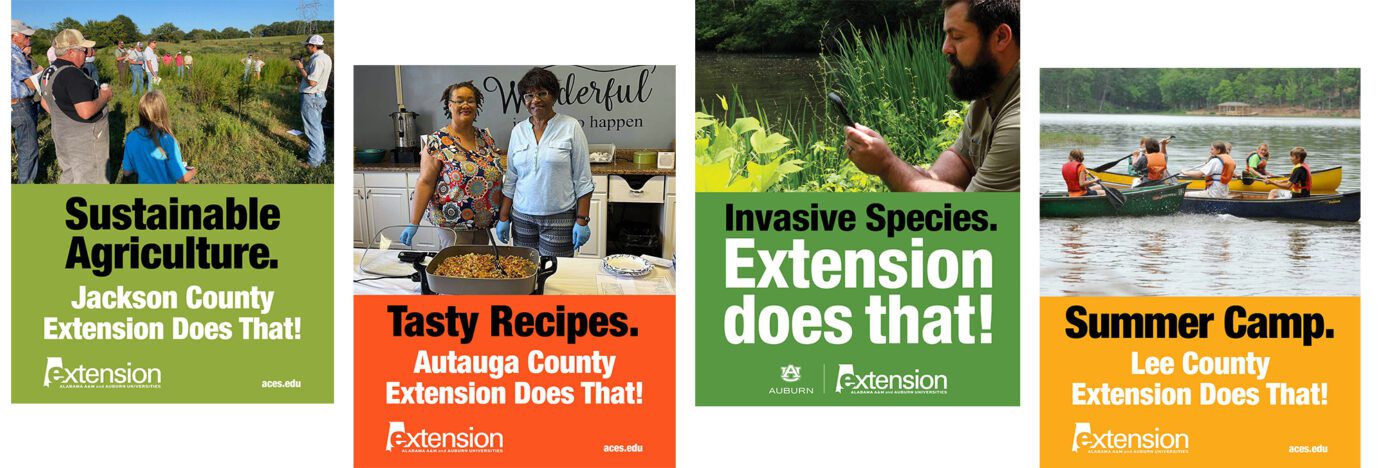
Together, Extension Week and the Extension Does That! campaign strengthened public awareness, reinforced Extension’s relevance, and expanded recognition of its statewide impact. By pairing storytelling with local engagement, these efforts deepened community relationships and created greater awareness of the programs, services, and partnerships that benefit Alabama communities.
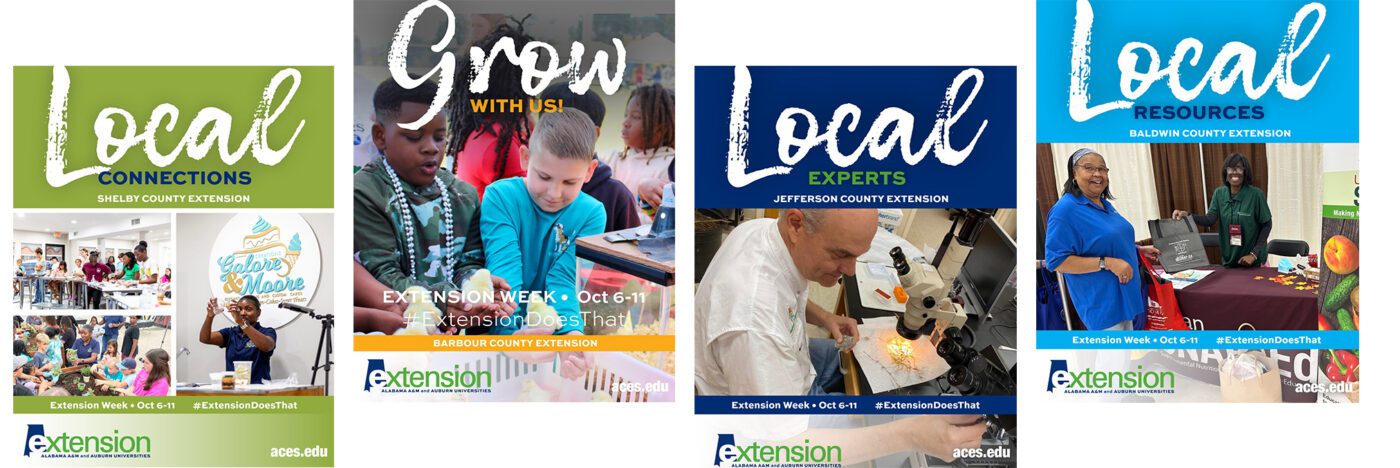
Connecting People to Solutions
Through integrated marketing, digital outreach, traditional media, and community engagement efforts, Extension expanded visibility across the state. The goal is simple: help more people discover solutions, opportunities, and programs that can improve their lives.
Extension Does That
The Extension Does That! campaign moved beyond general awareness by showing how Alabama Extension helps people solve problems, build skills, and improve daily life. Short videos, social media posts, news stories, and audience-focused messaging connected Extension services to real needs, such as crop and livestock management, youth leadership development, nutrition education, home horticulture, financial education, and community support.
By emphasizing practical outcomes and recognizable community examples, the campaign showcased Extension as a trusted local source of research-based information and created more opportunities for residents to see themselves in the stories being shared. The result was a stronger, more relatable public picture of Extension’s value across Alabama.
2025 Impacts | Partnerships and Looking Forward
Partnerships and Looking Forward
Research and Educational Partnerships
No single organization can meet every need facing Alabama’s communities. Alabama Extension expands its reach and strengthens its impact by working alongside volunteers, schools, local governments, universities, nonprofits, agencies, and industry partners. These relationships help Extension bring research-based education to more people, respond to local priorities, and create practical, trusted, and community-centered solutions.
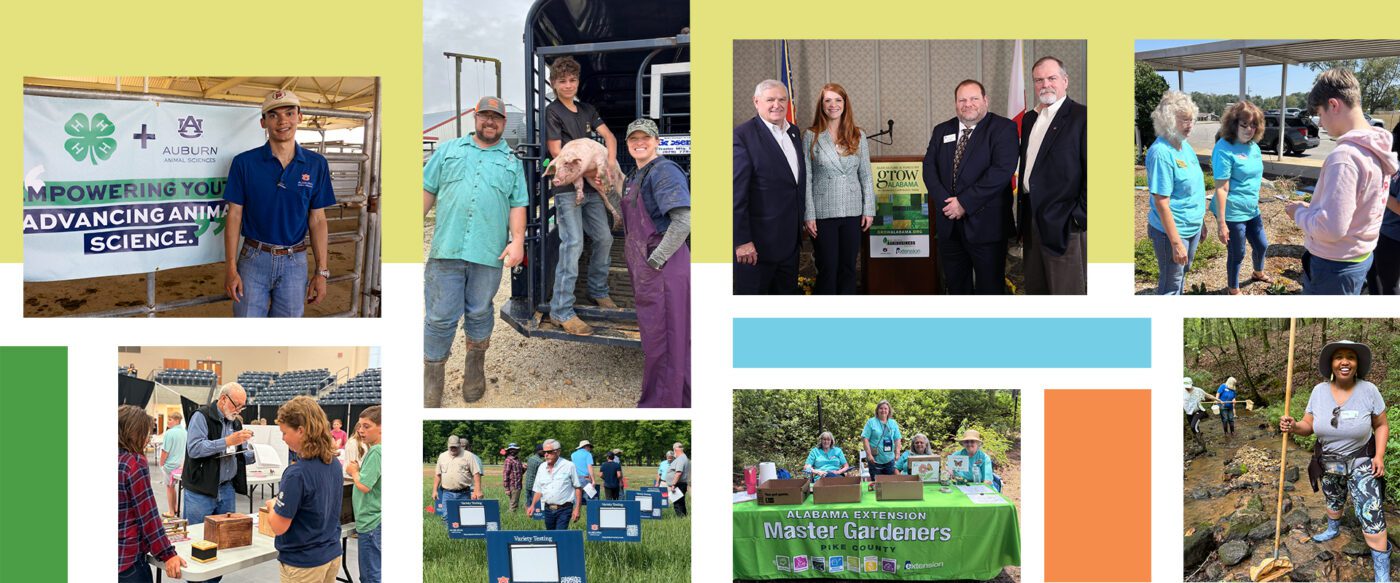
Volunteers Making a Difference
Volunteers are one of Extension’s greatest force multipliers. Master Gardeners, 4-H volunteers, advisory leaders, and other community supporters contribute time, expertise, and leadership that expand Extension’s local capacity. They help deliver educational programs, mentor youth, support community projects, and strengthen Extension’s connection to local needs.
Through efforts such as horticulture education, youth programs, leadership development, and advisory support, volunteers help extend services that would be difficult to sustain solely through staff. Their involvement strengthens communities and broadens Extension’s reach across Alabama.
Research and Educational Partnerships
Extension’s partnership between Auburn University and Alabama A&M University creates a statewide system that connects research, teaching, and outreach. Working with the Alabama Agricultural Experiment Station and academic programs, Extension turns university knowledge into practical solutions for producers, families, youth, businesses, and communities.
These partnerships strengthen Extension’s ability to address complex issues such as agricultural production, nutrition and health, environmental stewardship, youth development, workforce readiness, and community resilience. By bringing research-based expertise directly into communities, these collaborations help Extension serve more people, build stronger communities, and create lasting impact.
Looking Forward
Communities continue to face changing challenges and opportunities. Population shifts, workforce needs, technology adoption, agricultural innovation, and community resilience efforts are creating new demands for education and outreach. Alabama Extension remains committed to adapting and evolving to meet those needs.
Future priorities include expanding digital learning opportunities, strengthening workforce development initiatives, supporting agricultural innovation, increasing youth engagement, and continuing to improve access to research-based information across the state.
As communities change, Extension will continue connecting people with practical solutions and resources that improve quality of life.
Connect With Us
For more information about the Alabama Cooperative Extension Systems work in the state of Alabama, visit our website, aces.edu, and follow our work on social media: Facebook, Instagram, YouTube, and LinkedIn.

Revised June 2026, 2025 Alabama Cooperative Extension System Impact Report, ACES-2838
For more information, contact your county Extension office. Visit aces.edu/directory.
Trade and brand names used in this publication are given for information purposes only. No guarantee, endorsement, or discrimination among comparable products is intended or implied by the Alabama Cooperative Extension System.