
Alabama 4-H


Entry Guidelines
The Golden Egg Contest assesses the ability of 4-H members to raise chickens that produce high-quality eggs. Participants submit one dozen eggs, which are judged for uniform appearance and consistent interior quality using the same testing measures applied in commercial poultry production.
Who Can Participate
Alabama 4-H members who have a flock of chickens that are currently laying eggs. The chickens may be from a 4-H Chick Chain, Poultry Project, or other program source.
Entry Fee
$5 per dozen eggs
Entry Categories
- Age: Junior and Senior. 4-H is for youth ages 9 to 18. Junior age is 9-13 and Senior is 14-18.
- Eggshell color: White, Brown, and Blue/Green
- Egg size: Pee Wee, Small, Medium, Large, Extra Large, and Jumbo. Size is determined by the weight of one dozen eggs (any kitchen scale that shows weight in ounces can be used). The weights are shown below:
Golden Egg Contest Egg Weights
| Egg Size | Ounces Per Dozen |
|---|---|
| Peewee | 15 |
| Small | 18 |
| Medium | 21 |
| Large | 24 |
| Extra Large | 27 |
| Jumbo | 30 |
How to Enter
Participants may enter eggs in more than one category of eggshell color and size (for example, 1 dozen blue-green-shelled eggs, 1 dozen brown-shelled eggs, and 1 dozen white-shelled eggs). Members may enter up to 3 dozen but no more than 1 dozen of a single-shell color. A separate entry must be submitted for each dozen eggs entered. Entries must be submitted to 4-H Online prior to egg delivery. This lets us know who is participating and in what categories.
Egg Submission Deadline
Eggs should be delivered to your county 4-H Extension agent by their deadline so they can deliver the eggs to the contest. Every entry should be accompanied by the Golden Egg Entry Card, which can be printed from the 4-H Golden Egg Contest website.
Egg Judging
Judging is closed door; results will be announced through social media. Eggs will be examined for uniformity in shape, size, color, and cleanliness. Three eggs from each dozen will be randomly selected and opened, and the Haugh unit measurement will be taken.
Tips to Help You Prepare
Selecting and Preparing High-Quality Eggs for Judging
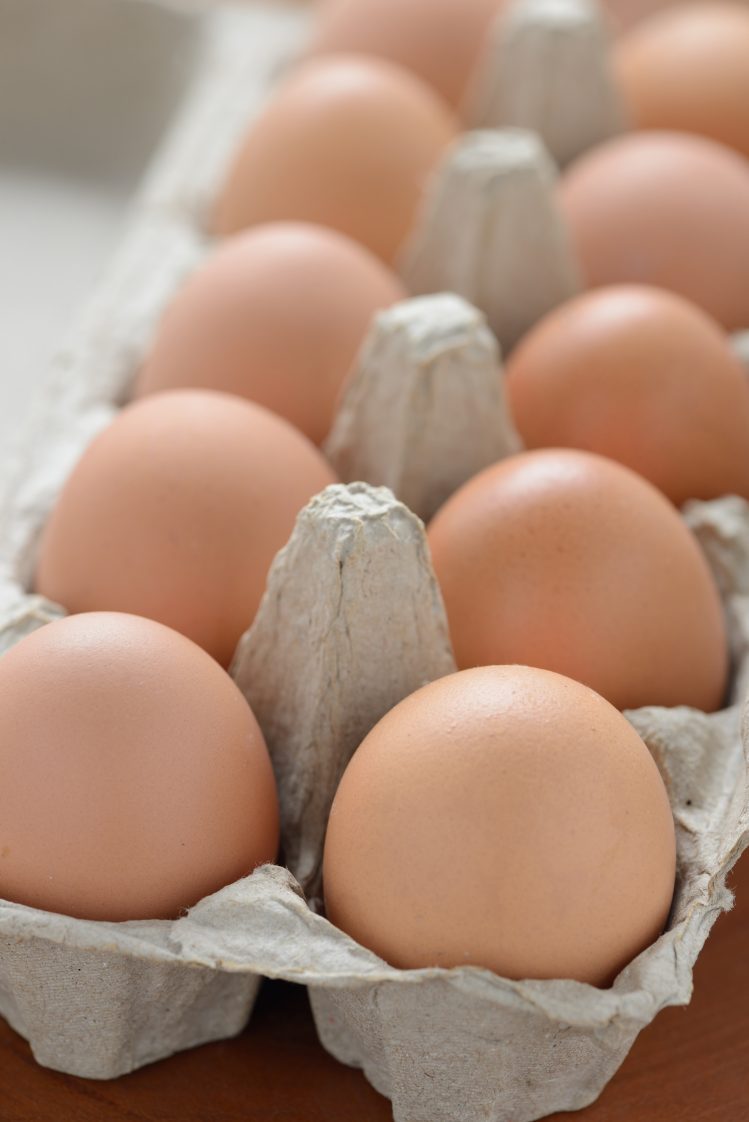 Eggs should be uniform in size and eggshell color. Deviations in eggshell color will result in a deduction. Select eggs that are free from defects, such as stains, adhering material, fly specks, and cracks. If you know that one or two of your hens consistently lay eggs with meat or blood spots, candle those eggs to find the defects and remove them from the dozen that you enter into the contest. Customers do not like to see blood or meat spots in their product, so these defects are considered downgrades.
Depending on the size of your flock, you may need to collect eggs for several days to get enough of uniform size to include in your dozen. If this is the case, be sure to store your eggs in the refrigerator until they are ready to transport.
Avoid storing eggs in containers where they may become cracked (a bucket or egg basket, for example). Use an old egg carton or egg flat if you have one available. If you are using a cardboard egg carton, do not allow the carton to come in contact with the ice pack during transport; the cardboard will transfer wet material onto the egg’s surface.
The eggs you choose should be weighed as a dozen and placed in the correct size category based on the weight. A simple kitchen scale is all that is needed to perform this step.
Grading and Sizing
The United States Department of Agriculture (USDA) provides guidelines on the grading and sizing of eggs. Egg sizes are not dependent on the egg grade; rather, they are determined by the weight of the egg in ounces.
Egg grades are determined by both interior and exterior quality factors. To learn about these factors, refer to the National 4-H Avian Bowl Manual (Poultry Judging section) and the National 4-H Poultry Judging (Egg Judging section). See the Resources section at the end for information.
Maintaining Interior Egg Quality
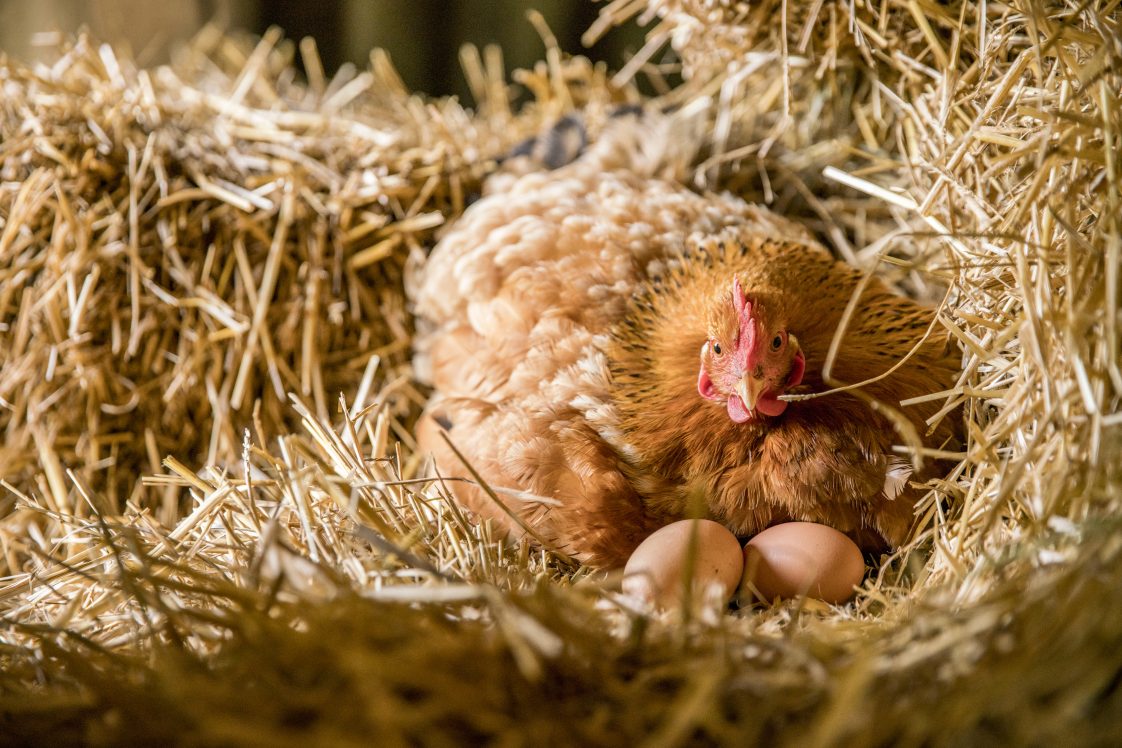 Refrigerate your eggs as soon as possible after they have left the hen to maintain the highest possible quality. Proteins in the egg white deteriorate if exposed to room or high temperatures. An egg that is stored at room temperature ages as much in one day as an egg kept in the refrigerator for a week. This is why you should keep your eggs cool as they are transported to the contest.
Storage time also is important. If you have a large flock that will lay a dozen eggs or more daily, you likely will not need to store your eggs before delivering or shipping them to the contest. If you have a smaller flock, however, you may need to collect eggs for several days to get enough of the same size and quality to use in your dozen. Be sure to refrigerate your eggs while you are storing them.
Another factor that can affect the interior quality of the egg is the age of the hen. Older hens that are close to molt (annual dropping then regrowing of their feathers) lay eggs that are slightly different from those of young hens. The same is true of hens that are in their second, third, fourth, and older years of egg production. When a hen starts her laying period for the year, she tends to be “refreshed,” and she lays eggs with higher-quality protein. This is not a factor over which you have much control.
Lastly, the diet and genetics of the hen can influence the quality of the eggs that she lays. You cannot control the hen’s genetics, but you can control the quality of the diet that she receives. A hen that is fed a balanced diet designed for laying hens is going to lay higher-quality eggs than one that is fed a diet diluted too much with treats, greens, and grains. Remember to include supplements of oyster shell if your older flock starts to lay eggs that have very thin shells. It may be a sign that their bodies need a little more calcium than what is already provided in the balanced ration for laying hens.
A hen is considered a good producer if she lays high-quality eggs and does so consistently. That is a testament not only to her genetics but to your skills as a poultry flock owner.
Factors Affecting Egg Size
Young hens tend to lay smaller eggs than do older hens. As a hen ages, she lays eggs with larger and larger yolks and albumen (egg white) but with the same amount of shell. This means that the eggs get bigger, but the shells start to get thinner. It is a balancing act for egg companies to determine when a flock should be molted so that hens can be refreshed.
Resources
- National 4-H Avian Bowl Manual. $15.00 plus shipping. Available through Clemson University.
- National 4-H Poultry Judging. $6.95. Available through the University of Nebraska–Lincoln.
Other Contest Materials
- Download a PDF of Golden Egg Record Book Supplement, 4HYD-2307.
- Download a PDF of Golden Egg Entry Card, 4HYD-2276.
- Download a PDF of Golden Egg Scoresheet, 4HYD-2278.
The Alabama Cooperative Extension System (Alabama A&M University and Auburn University) is an equal opportunity educator, employer, and provider. If you need a reasonable accommodation or language access services, contact Brigid McCrea at mccreba@aces.edu.
Videos
To see all of the Alabama 4-H Golden Egg videos, visit the playlist on the Alabama Extension YouTube channel.
Brigid McCrea, Extension Specialist, Alabama 4-H and Poultry, Auburn University
Revised September 2025, Golden Egg Contest Planning Guide, 4HYD-2257