
Beef

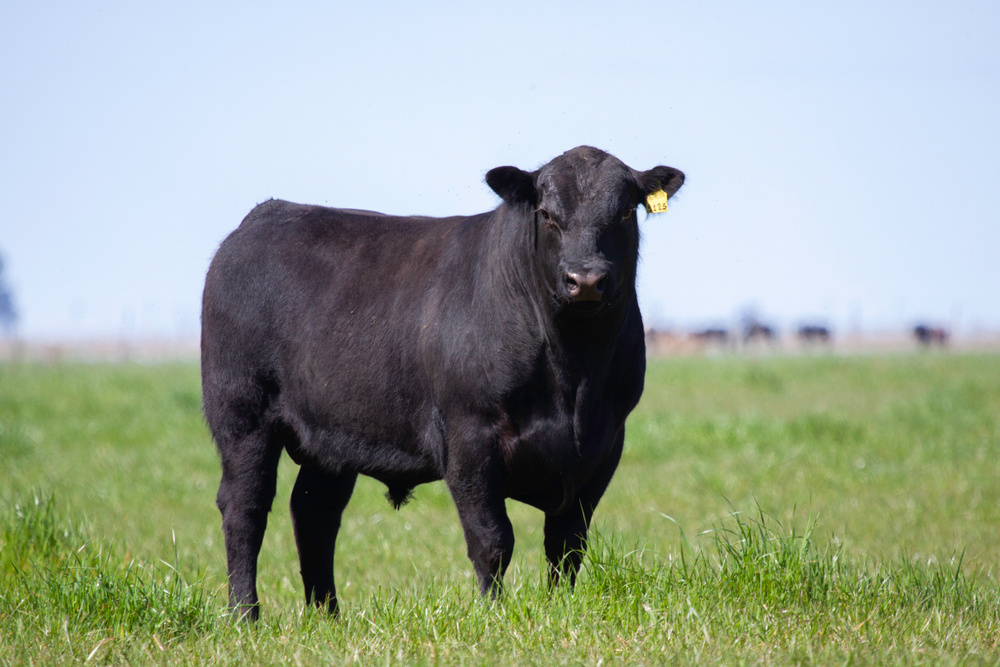
In early 2027, Auburn University will unveil the renovations to the Beef Cattle Evaluation Center, which add new infrastructure to incorporate fresh technologies that will benefit students and producers alike.
Since 1977, Shug Jordan Parkway has been home to the Auburn Beef Cattle Evaluation Center. With a rich history, the center is an integral piece of the research conducted through the Alabama Agricultural Experiment Station.
“Maintaining the footprint of the beef cattle industry on our campus is meaningful,” said Kim Mullenix, professor and head of the Department of Animal Sciences. “Auburn is the primary source of information for our stakeholders where the underlying mission is to take our research and turn it into outreach that producers benefit from.”
A Rich History
The Beef Cattle Evaluation Center also served as the site of Auburn’s Bull Testing Program, operated over its history by the Alabama Agriculture Experiment Station, Auburn Animal Sciences Department and Alabama Beef Cattle Improvement Association. The program conducted testing to determine genetic performance and analyze reproductive efficiency of bulls.
Michelle Elmore, Alabama Extension associate professor of animal sciences, said she is excited that the new facility will preserve traditions and embrace the future.
“The cattle produced in Alabama are what they are today because of genetic testing done at the center going all the way back to 1951,” Elmore said. “This was the oldest continuing bull test in the country, and we are continuing this heritage of improving genetic performance.”
As a leading program in the Southeast region, the Auburn Bull Testing Program conducted performance evaluations across numerous cattle breeds. Auburn Bull Testing Program started with 19 bulls — 13 from Alabama producers and six from the Experiment Station. For 50 years, the testing program grew, and Alabama cattle producers relied on testing for sound data and supreme genetics.
The Auburn Bull Testing program ran until 2006 as an open public program. Then, it shifted to an in-house research operation, through which Auburn faculty and Extension specialists still provided assessments and insights to producers.
The testing program also taught students animal sciences and genetics through laboratory courses and work-study opportunities. Auburn researchers conducted innovative and comprehensive research that still impacts Alabama cattle reproduction today.
Built for the Future
Fast forward to today, the newly updated center will be home to courses for students and research within the laboratory. Graduate and undergraduate research opportunities and student employment will be available. There, students will have impactful experiences that will help prepare them for their careers.
The modernized facility will give animal sciences students the opportunity to see cattle production from start to finish, Mullenix said.
“We start with nutrition and feed efficiency trials, with the intention of offering producer-facing educational programs there in the future,” she said. “We will also be able to show our students and stakeholders the cattle finishing processes in the Southeast with best management practices.”
Elmore says that the new center will be as beneficial to cattle producers as it will be for students.
“We have great Extension educational programs available to Alabama cattle producers and industry-engaged stakeholders,” Elmore said. “Now, we can educate not only the next generation but continue reaching multiple generations across our state. And we will demonstrate the technology and research we’re devoted to through the new center.”
For more information on how to support this project, visit: https://give.auburn.edu/campaigns/ansc-beef-cattle-evaluation-center-gift.