
Lawn & Garden

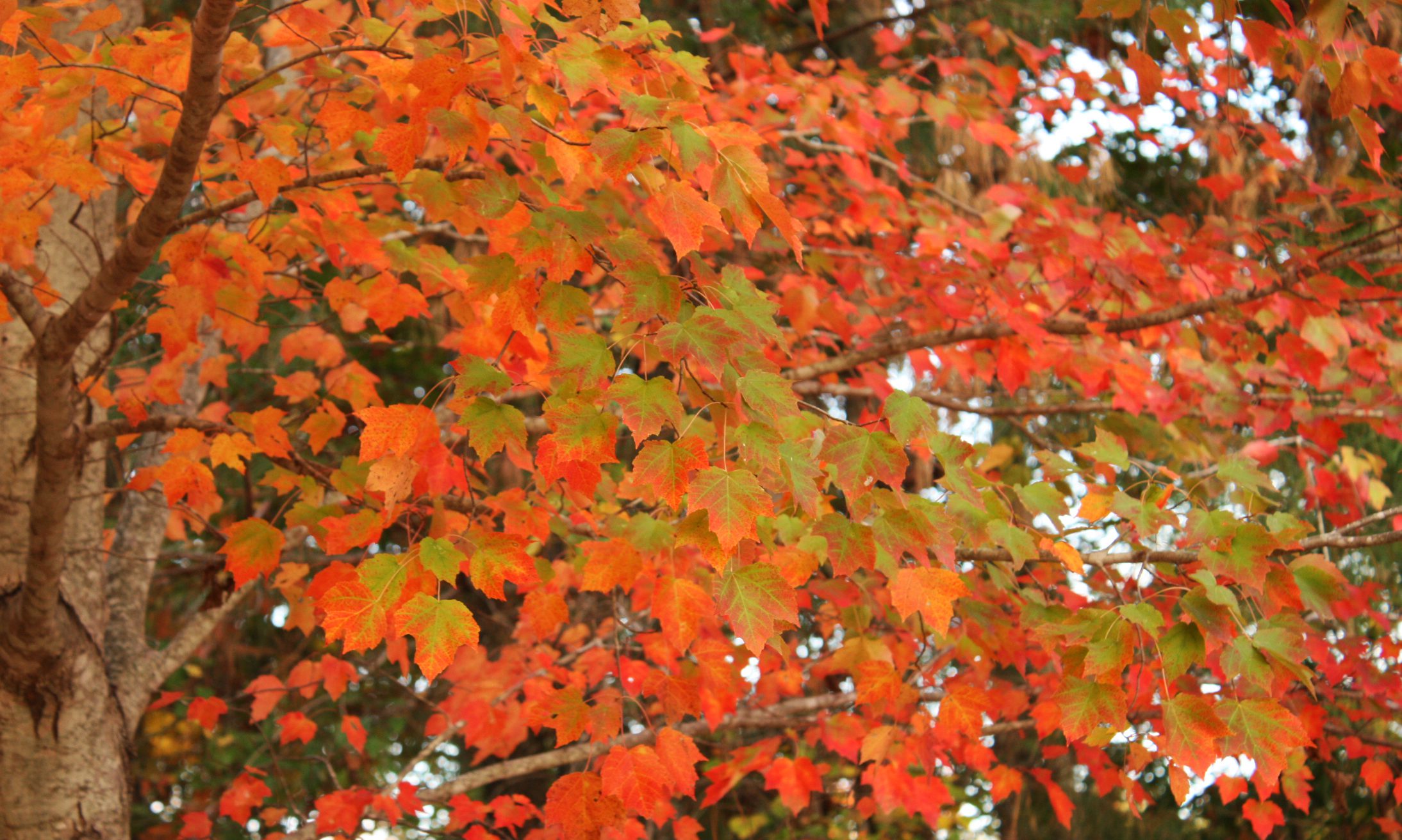
AUBURN UNIVERSITY, Ala. — As the weather gets cooler, the new season brings a palette of vibrant fall colors to trees that Alabamians may notice throughout the next month or two. Shane Harris, Tallapoosa County director and horticulturist with Alabama Extension at Auburn University, explained why trees have fall colors, what people in Alabama can expect and types of trees to plant for the best fall colors.
What Causes Fall Colors
Harris said chemical processes within tree leaves are the key to fall color as the days get shorter and nights get longer. In the fall, plants are not producing as much chlorophyll — the more prominent, green pigment in leaves — which exposes hidden pigments. Sugar that is made in leaves cannot go to the roots or feed the tree during cold nights, trapping the sugar and creating brighter leaf colors.
“Shorter day length and cooler temperatures are the primary causes of chlorophyll not being produced as much. What is then revealed are the hidden pigments of carotenoids, yellow and orange, and anthocyanin, red and purple, in the leaves,” Harris said. “Seeing those yellow and red pigments on full display is what creates the annual show of fall colors.”
Alabamians may already see color changes and leaves falling, but typically peak season in the state for fall color is late October and early November. When color appears and how long it lasts depends on various factors, according to Harris.
“People will ask when peak season is for fall colors. Well, it requires a natural recipe of daylight length, nighttime temperatures, daytime temperatures and moisture. It’s a complex combination; the correct helping of each is needed for fall colors,” Harris said.
Drought and rainfall can cause trees to not get the nutrients and moisture they need. This can affect the fall colors, as a tree might get under stress and drop leaves quickly rather than go through the color changing process.
Trees to Plant for Fall
There are many types of trees that can give those vibrant fall colors, according to Harris.
Maples, like the red maple, Japanese maple and sourwood, help to give off bright reds, while yellow-poplar, hickory and gingko can give off a more yellow tone. Trees such as the sugar maple, sassafras, American beech, sweet gum and baldcypress give off other colors such as orange, chestnut browns, purples and burgundy reds — the various fall colors that make up a lot of what might be seen in Alabama. Greens can also be part of the kaleidoscope of colors with evergreens like the pine, cedar or hemlock. All these trees together create that patchwork of color during fall.
“Take the time to enjoy those trees and the beautiful colors, especially if you’re curious about what they are,” Harris said. “Pick out your favorite color and go learn what type of tree it is; enjoy this wonderful season in our natural world.”
More Information
For more information about fall colors, listen to the recent episode of the “Southern Ground” podcast called “Best Trees for Fall Color,” or visit aces.edu.