
Farming

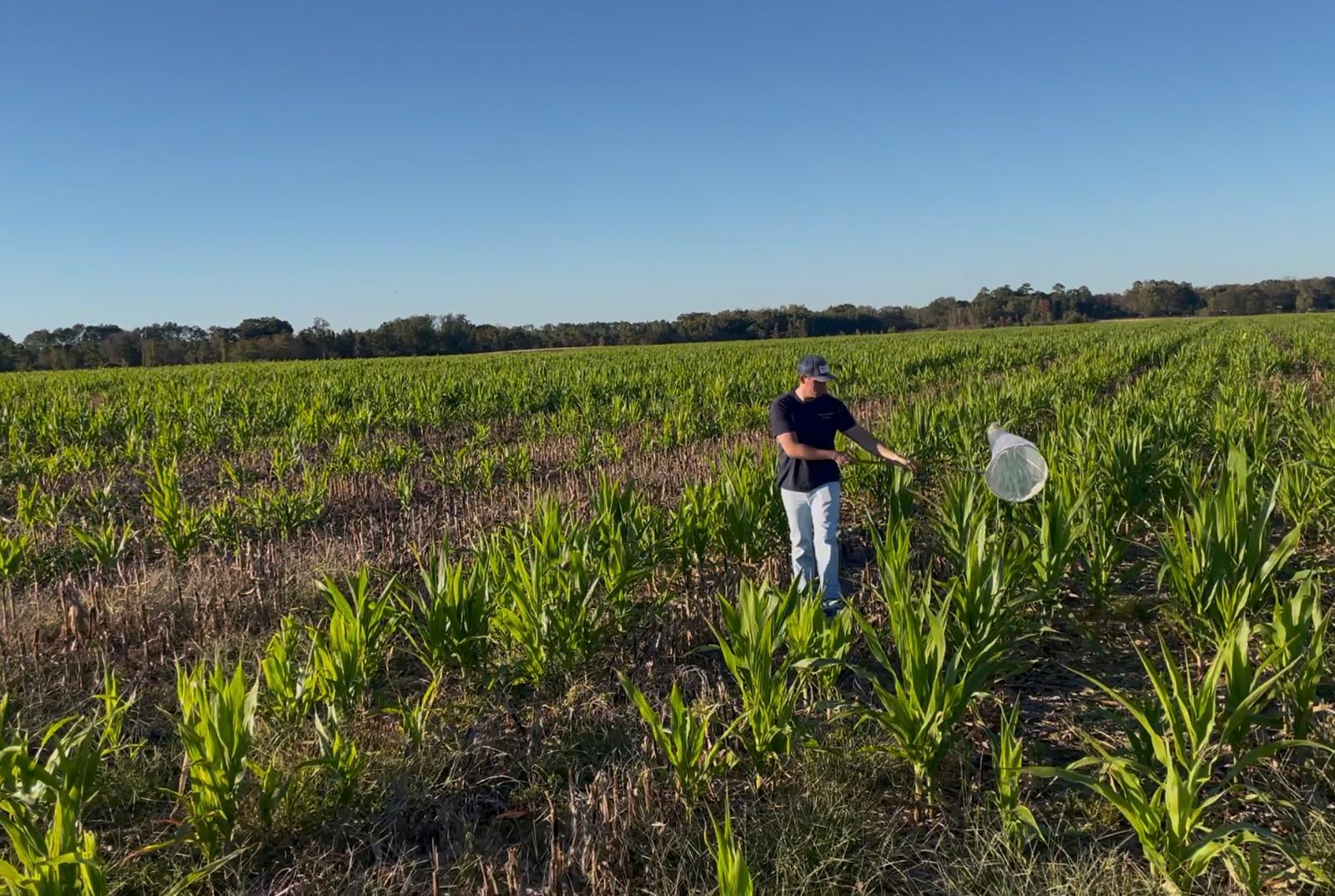
Proper soil fertility, precise irrigation management, and summer air temperatures create ideal conditions for growing vegetables in Alabama which can also be conditions that create challenges for growers to manage insect pressure. Finding an insect in a field does not always mean that treatment is necessary, but waiting until symptoms of damage appear, like curling leaves, plants stop growing, or fruit becomes damaged, allows a small pest to turn into a costly problem. Growers must implement pest monitoring to determine which pests exist, how quickly populations can increase, and whether they have reached levels that justify management.
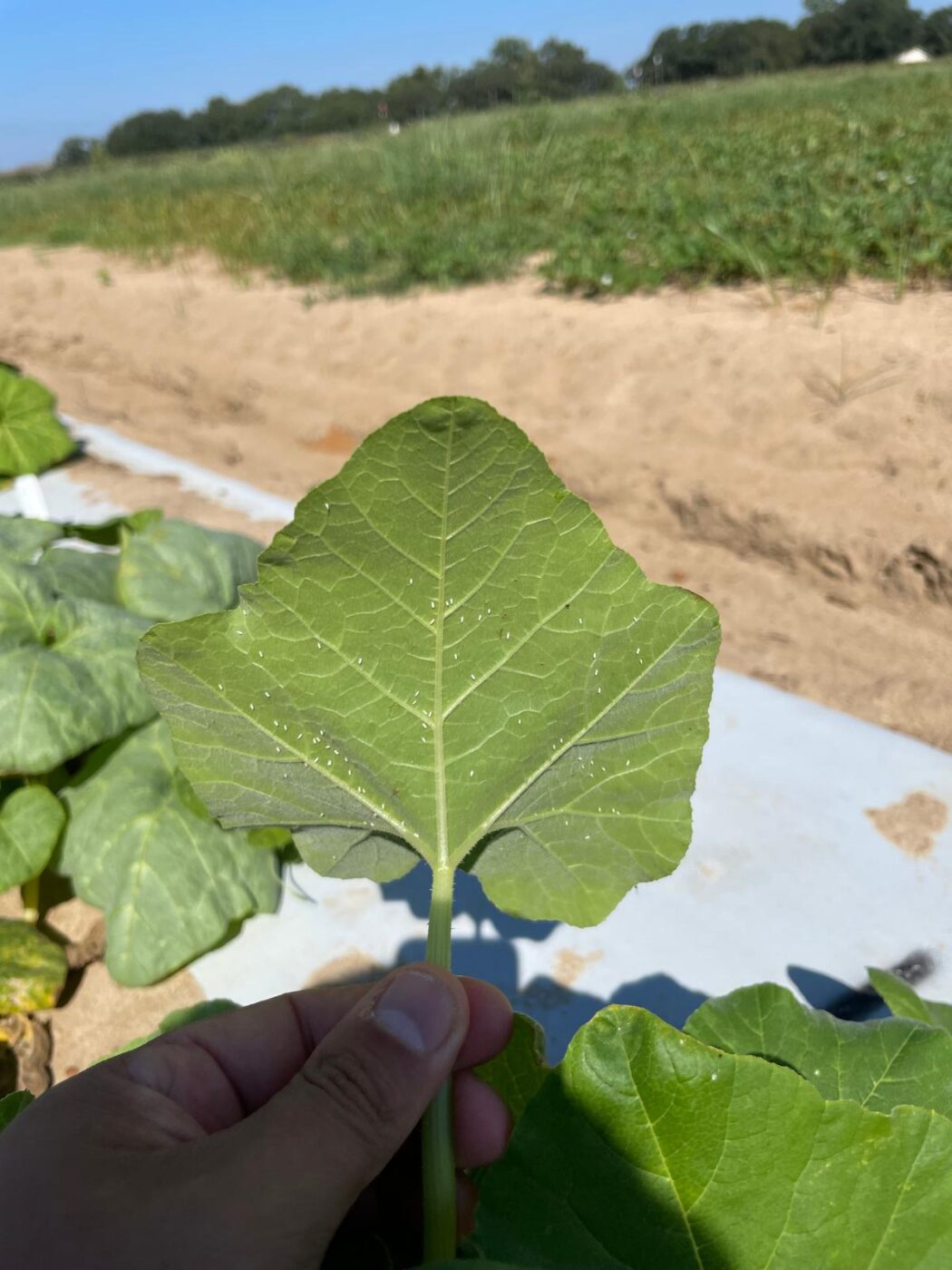
Figure 1. Whiteflies on the lower leaf surface of yellow squash
A Moving Target
Regular pest monitoring gives growers the information they need to make decisions. While there is no single list of insects that will create the greatest problems every year, insects like thrips, whiteflies, caterpillars, stink bugs, aphids, and squash bugs are among the usual suspects in Alabama vegetable production. Their importance changes with crop, location, season, and weather. Hotter and drier conditions may favor pests such as thrips and whiteflies, while different conditions may benefit the increase of aphid populations or other insects. Particularly, seasonal variability makes routine scouting important even when growers have not experienced major problems in previous years. Important pests this season may not be the most important pest next season. Extension researchers constantly watch for invasive insects that may threaten Alabama agriculture.
The two-spot cotton leafhopper, also known as cotton jassid, was confirmed in Alabama in 2025. By the end of that growing season in 2025, cotton jassid had been scouted in nearly every cotton-producing county in the state. For the vegetable industry, cotton jassid affects okra, eggplant, sunflower, and hibiscus.
Monitoring efforts also include the corn leafhopper and the spotted lanternfly. The spotted lanternfly is particularly concerning for grapevines, fruit trees, and woody plants. It can spread by laying egg masses on vehicles, trailers, firewood, equipment, and other hard surfaces, allowing it to travel far beyond an established infestation. Its presence in Georgia, North Carolina, South Carolina, Tennessee, and other nearby states makes continued surveillance important for Alabama.
Look Before Symptoms Appear
Active scouting is the most important pest-monitoring tool, and growers should keep a record of their observations. A weekly field journal can help document pest populations, crop-development stages, weed pressure, insect damage, weather conditions, and the results of previous management actions.
The most damaging pests are those able to transmit plant diseases. Thrips, for example, can transmit tomato-spotted wilt virus, and symptoms may not become visible until several days after infection. This means that the insect and virus may already have spread before the grower notices stunting, bronzing, ring spots, necrosis, or deformed fruit. When symptoms finally appear, the problem may have been developing for a week or more which is why growers cannot wait for visible crop damage before they begin monitoring.

Figure 2. Yellow squash plants showing symptoms consistent with whitefly-transmitted viruses (left) and zucchini plants showing disorders caused by whitefly feeding (right)
Building an IPM Program
Building an IPM, or integrated pest management, program can help growers minimize the damage caused by most insects. Monitoring and sampling are the foundation of an IPM program. Pest identification, economic thresholds, and natural mortality provide the additional information needed to support management decisions. Growers can then integrate management strategies, including biological control, cultural control, pheromones, planting practices, and targeted insecticide applications.
A common mistake people make is relying on insecticides exclusively. Applying the same active ingredient or products with the same mode of action selects for resistant pest populations, making those products less effective over time. Growers should rotate insecticide modes of action, use only products labeled for the crop and pest, and follow all label directions. Chemical control should complement scouting, cultural practices, biological control, and other IPM strategies.
Extension Help Is Close
Growers do not have to identify or manage unfamiliar pests alone. Alabama Extension regional agents and specialists can assist with insect identification, field scouting, and management recommendations. When requesting help, growers should provide a clear, still photograph and include information about the crop, location, plant-development stage, and observed damage.
Contacting Extension as soon as a potential problem is detected can improve the likelihood of an accurate diagnosis and timely response. The free Alabama Extension Farming Basics mobile app also includes crop and pest information, record-keeping tools, and contact information for regional Extension agents.