
Lawn & Garden

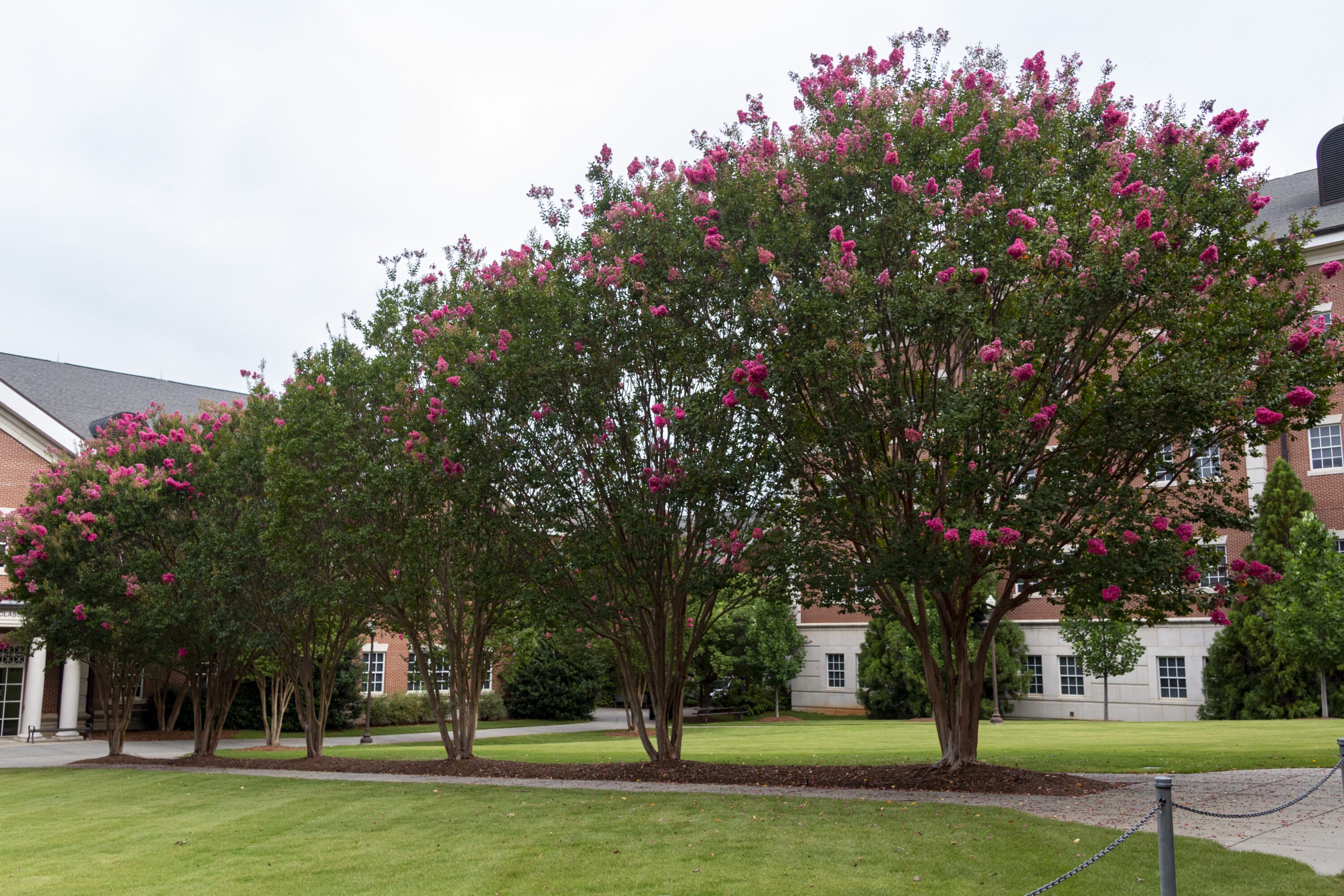
AUBURN UNIVERSITY, Ala. — Crape myrtle blooms have long shaped Southern landscapes, yet a major pest—crape myrtle bark scale—is jeopardizing their health and appearance. Auburn University researchers are looking for answers to protect the treasured tree and provide management strategies.
Crape myrtle bark scale research is conducted through the Alabama Agricultural Experiment Station. This research provides control recommendations to home and business owners through Alabama Cooperative Extension System outreach.
First detected in Alabama in 2019, crape myrtle bark scale is an invasive, sap‑feeding insect from Asia that has spread rapidly across the Southeast. It infests both urban and rural landscapes.
Reporting Crape Myrtle Bark Scale
David Held, professor of entomology and plant pathology, and his colleagues and students help people identify the pest and teach ways to combat it.
“Crape myrtles have relatively few pests, but aphids and bark scale are tough ones to shake once you have them,” Held said. “If you suspect you have crape myrtle bark scale, it can be reported to me for identification through the EDDMapS, or samples can be sent to our diagnostic lab.”
EDDMapS is an online database that tracks plant diseases and emerging pests. Through the platform, users can report sightings, which experts verify and use to track regional spread.
For in‑state screening, Alabama Extension’s Plant Diagnostic Labs are in Auburn’s Alfa Agricultural Services and Research Building. Diagnostician and entomologist Meredith Shrader provides fast, reliable identification.
Signs of Infestation
With any pest or plant disease, proper diagnosis is crucial to applying the right treatment. While there are clear signs that indicate a tree may be infested, Held warned that crape myrtle bark scale is sometimes misdiagnosed.
Black sooty mold is one sign that crape myrtle bark scale might be present, but that can also be caused by crape myrtle aphids. To differentiate, it’s important to note which part of the tree is affected. Aphids only feed on the leaves of the tree, while bark scale feeds on branches, limbs and the trunk.
Other indicators include waxy white covers that look like felt blanketing the branches and twigs. When the white crusts are crushed, they secrete a pink fluid composed of eggs or early‑stage nymphs. The fluid secretion is sticky and sugary, which will attract ants and other pests.
Treating Crape Myrtle Bark Scale
Once properly diagnosed, there are battle-tested treatment options researched by Auburn entomologists.
One treatment method that Held’s faculty and students tested was biological control using lady beetles. They used this less conventional method to protect pollinators because the team was unsure how damaging systemic pesticides maybe.
“Even though we tried using pesticides to control the bark scale, we knew that would potentially affect our pollen,” Held said. “So, with our honeybees especially in mind, we used lures on trees to attract lady beetles, like Asian lady beetles that are natural enemies to the bark scale. We questioned whether or not we could attract enough beetles.”
During their trials, the team also tested various scented compounds like methyl salicylate, limonene, commonly referred to as orange oil, to see what attracted the lady beetles,” Held said.
As Held’s students monitored infested trees, they noticed that they could reduce the population of bark scale by applying orange oil every week.
“We were truly surprised to see this treatment work so well. It worked even better than our systemic insecticides,” Held said. “Our students’ work uncovered that these beetles were then able to crush a population of bark scale in just a few weeks, and as a bonus, the orange oil smells great.”
In tests, this method of treatment worked for in-ground trees, and potted plants.
Continuing Work
While this pest remains a challenge, the news of inexpensive control for homeowners is encouraging. However, nurseries that ship or export crape myrtles will still have to use systemic insecticides for treatment.
With relatively few approved and effective insecticides available, Held said the search for better crape myrtle bark scale management remains active. Auburn and neighboring land-grant universities continue to analyze and test treatments and make recommendations.
For chemical options, soil-applied systemic insecticides with the ingredients, imidacloprid, imidacloprid and combined clothianidin, dinotefuran and thiamethoxam show signs of effective control.
Choosing Crape Myrtle Cultivars
As researchers continue to fine-tune management, Jeremy Pickens, a specialist with Alabama Extension at Auburn University, is helping shift the focus to homeowners.
Pickens said intentional planting decisions can prevent many long‑term problems—pest‑related or otherwise. He advised that cultivar selection is crucial to growth, development and achieving the best overall aesthetic.
“The mistake I see most often is choosing the wrong crape myrtle cultivar,” Pickens said. “A ‘Natchez’ can reach 30 feet, so it’s not suited for a low‑roof ranch home. The ‘Acoma’ cultivar, at about seven feet, is a better match and still offers white blooms and exfoliating bark. For taller homes, ‘Natchez’ works beautifully, if given space. Wherever a crape myrtle is planted, full sun is essential. Sun equals flowers.”
With sound science and careful selection, the path to healthy crape myrtles is clear. Through Auburn research and Alabama Extension outreach, Alabamians have the knowledge to protect these cherished trees and keep them beautiful in every season.