
Landscaping

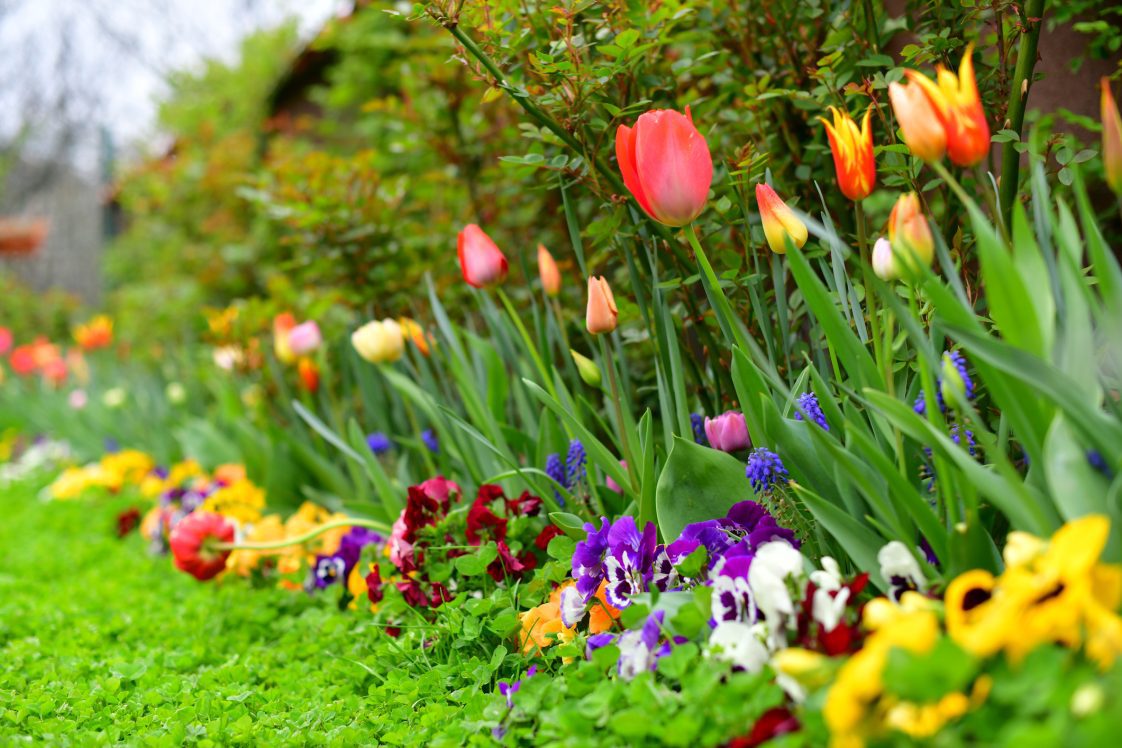
Bulbs are among the easiest, most reliable plants a gardener can grow because they are resilient through climatic extremes. Learn tips for choosing and growing bulbs best suited for your garden.
Plants known as bulbs fall into one of five categories: true bulbs, corms, tubers, rhizomes, and tuberous roots. Despite their different names, all share one characteristic that sets them apart from other plants: they are self-contained reserves of energy that store their own food underground, then burst into bloom each year as soon as temperature and moisture conditions become favorable. After flowering, the foliage dies back, but not until it has manufactured nutrients and directed them to the bulb for storage in anticipation of the next year’s bloom season.
Choosing and Planting Bulbs
 Look for hardy bulbs (those that can tolerate freezing temperatures) and bulbs that are adapted to your region. Plant spring-blooming bulbs in the fall and summer, and fall-blooming bulbs anytime except winter.
Recommended planting depths vary among bulb types, but a good rule of thumb is to dig a hole two or three times as deep as the bulb is wide. Position the bulb with the pointed end up. If you cannot tell which end goes up, plant the bulb on its side. To keep your bulbs coming back every year, you can lift them. This involves digging up the tubers and roots after the plant has finished its blooming time and storing them. This is important in northern states and Canada but can also be done in warmer areas.
To properly store bulbs, carefully dig them up or remove them from their pots, then gently shake off any excess soil. Find a dry, shaded area—away from direct sun and rain—where the bulbs can be laid out to dry before further handling. Once dry, put on gloves and rub off any remaining soil, but avoid washing the bulbs with water. Trim away any roots and leaves that have not fully dried.
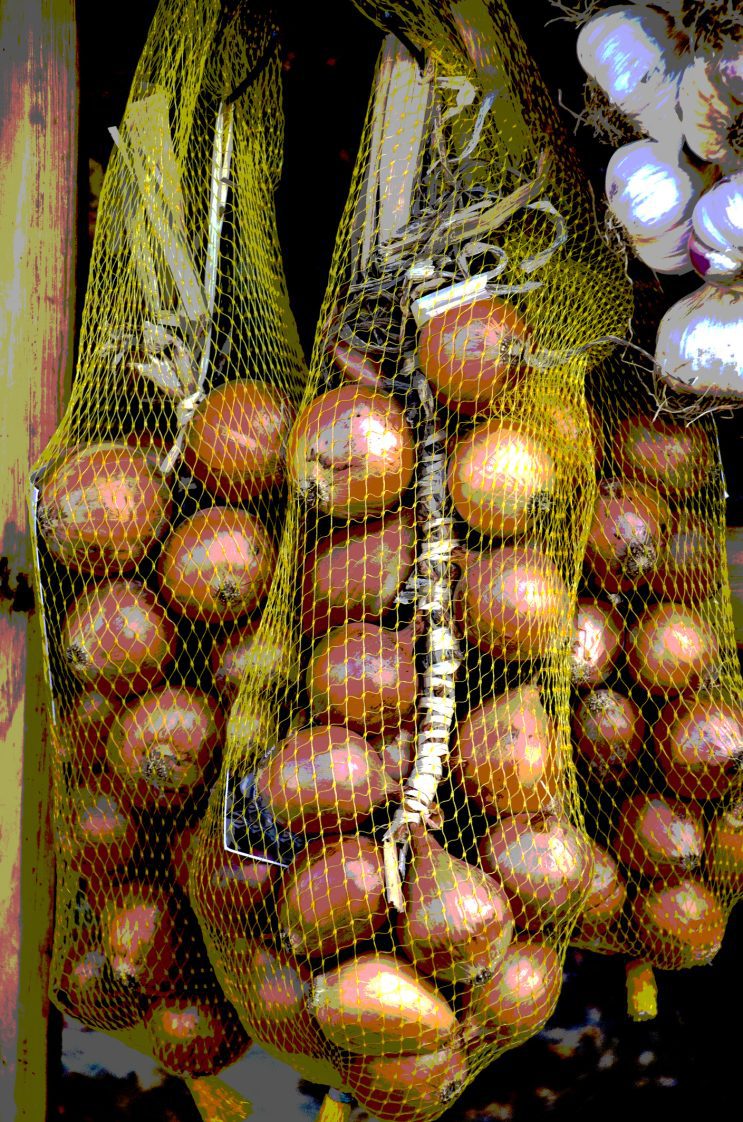
For storage, place the bulbs in mesh bags (like onion bags) or shallow cardboard flats. Add sawdust or cedar shavings (such as those used for hamster bedding) between the bulbs to prevent them from touching or sprouting. Store dry tubers in a well-ventilated room at 45 to 50 degrees F. Discard any with soft spots before the next season.
Understanding Types of Bulbs
Understanding the different types of bulbs is key to correctly identifying and caring for them.
True bulbs have five parts. Roots grow from the basal plate under the fleshy storage scales, which are covered by a papery tunic. The shoot and lateral buds complete a true bulb, also called a tunicate bulb, such as in tulips, daffodils, and onions. Lilies are almost true bulbs, except they are undressed. They have no tunic layer and thus have a shorter shelf life out of the ground.
Corms are modified stems that swell into the structure, such as in gladiolus and crocus bulbs. If you cut a bulb in half crosswise and see no rings, it might be a corm.
Tubers have no tunics and no basal plates. Growing points, or eyes, dot that surface to sprout roots or shoots on tubers of caladiums, anemones, and potatoes.
Tuberous roots store nutrients in modified stems and roots. Examples include dahlias, gloxinias, begonias, and sweet potatoes.
Rhizomes are sometimes called rootstalks but are underground stems that store energy and have growing points, or nodes. Roots and shoots emerge from rhizomes that may continue underground or spread to the surface to grow there. Examples of plants that grow from rhizomes are irises, cannas, ferns, and ginger.
 Adding Bulbs to Your Garden
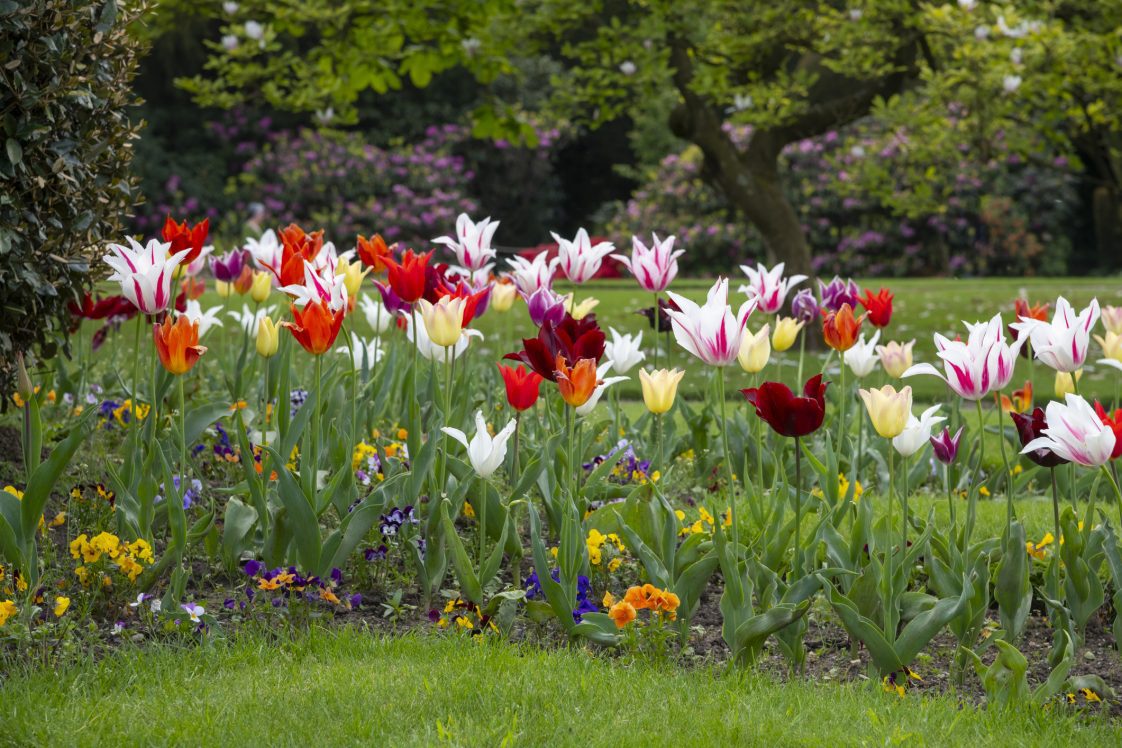
When you start to make a bulb garden, you need to decide on the color and layout of the bed. Typically, you want to group the bulbs for a bigger visual effect rather than put them in straight lines. Odd numbers, such as groups of three, are more pleasing to the eye than are even-numbered groups. You can place snowdrops or daffodils with darker-colored perennials, such as pansies, for a wide variety of color in your garden.
Give each bulb the space it needs to thrive. Giant alliums, standard daffodils, snowdrops, dahlias, ginger, and potatoes should be 12 inches apart. Tulips and garlic should be 6 inches apart. Hyacinths and Dutch irises should be 4 inches apart. Anemones, ranunculus, crocuses, and onions should be 2 inches apart.
If you are creating a 1-square-foot garden, for example, you could add either two or three clumps of large daffodils, four tulips and eight grape hyacinths, or four hyacinths and six crocuses. You could also add edible bulbs, such as garlic, onions, potatoes, or ginger, to add variety to the garden.
When to Plant Bulbs
Bulbs can bring beauty to your garden in many seasons, but it is important to plant them at the right time to make sure they bloom as expected. Early spring bulbs can be divided after the blooms have finished in the spring. These can then be replanted or added into different areas of the garden.
Midsummer-blooming bulbs should be planted from mid-March to early April. Examples include calla lilies, gladioli, tuberous begonias, crinum lilies, liatrises, caladiums, and acidantheras.
For late summer blooms, plant bulbs between late April and early June to avoid any risk of frost and to ensure the soil is warm. These include canna lilies, crocosmias, agapanthus, dahlias, elephant ears, autumn crocuses, and nerines.
Some bulbs can be planted in July or August for fall blooming. Peruvian lilies, winter daffodils, belladonna lilies, cilicium cyclamens, and toad lilies all provide vibrant color in late September and October.
 By knowing when to plant each type of bulb, you can enjoy continuous color and interest in your flower beds from early spring through fall.
Edible Bulbs
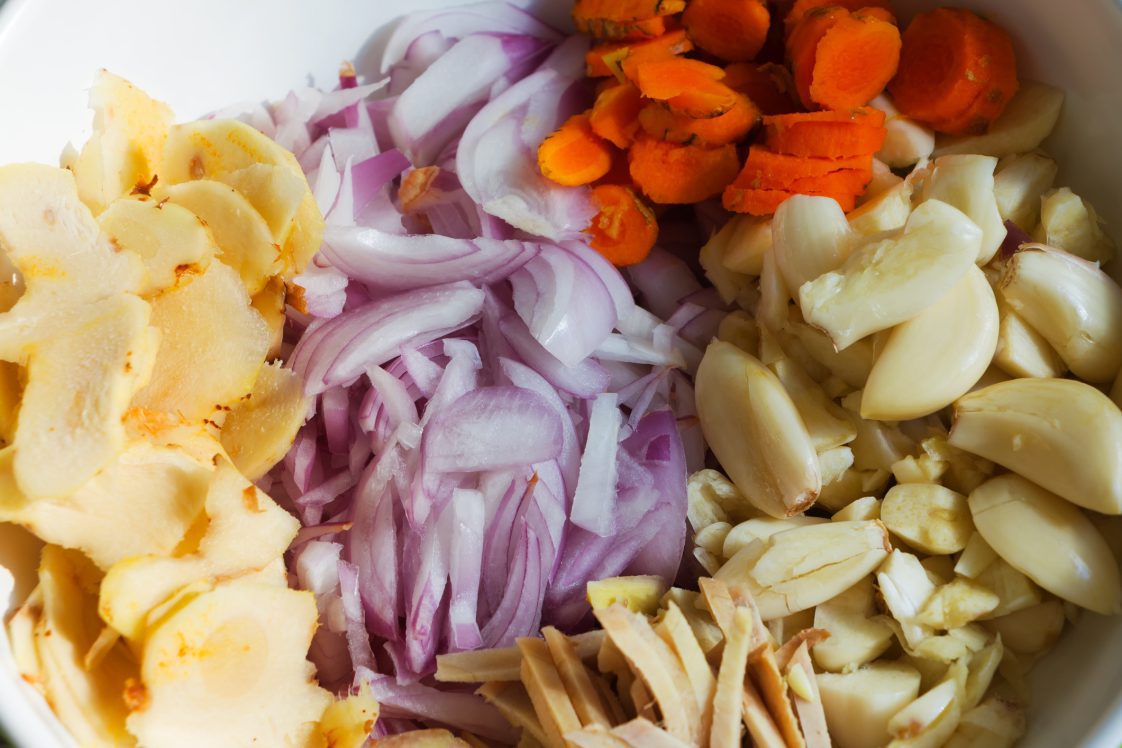
Shallots, garlic, and ginger are popular edible plants that can be grown at home with the right conditions.
Shallots, a true bulb, should be separated into individual bulbs and planted with the pointed end facing up, about 1 to 2 inches deep and spaced 4 to 6 inches apart. They prefer full sun (at least 6 hours), well-drained and organic-rich soil, and moderate watering that keeps the soil moist but not soggy.
Garlic, also a true bulb, is planted as individual cloves, with the pointed end up, about 2 inches deep, and 4 to 6 inches apart. Garlic thrives in full sun and fertile, well-drained soil enriched with compost. Water deeply, allowing the soil to dry slightly between waterings.
Ginger is a rhizome that should be planted just below the soil surface with the buds facing upward. It prefers partial shade or morning sun with afternoon shade, and grows best in rich, well-drained soil with high organic content. Regular watering is essential to keep the soil damp but not waterlogged.
References
- Gray G., Retired County Extension Agent, Chilton County Extension Office, Alabama Cooperative Extension System. 2020. Bulbs.
- Neal N. 2014. Deep South Month-by-Month Gardening. Cool Springs Press, 17.
- Neal N. 2014. Deep South Month-by-Month Gardening. Cool Springs Press, 112.
- Neal N. 2014. Deep South Month-by-Month Gardening. Cool Springs Press, 138.
- Neal N. 2014. Deep South Month-by-Month Gardening. Cool Springs Press, 152.
- Iannotti M. 2022. How to grow and care for shallots. The Spruce.
- McIntosh J. 2024. Learn how to grow and care for flowering ginger. The Spruce.
- Arcuri L. 2025. Everything you need to know about growing garlic. The Spruce.
 Anna Clecker, Student Employee, Horticulture, and Lucy Ellington, County Extension Director, Home Horticulture, both with Auburn University
New September 2025, Beauty Below the Surface: Guide to Planting Bulbs, ANR-3176