
Home & Family

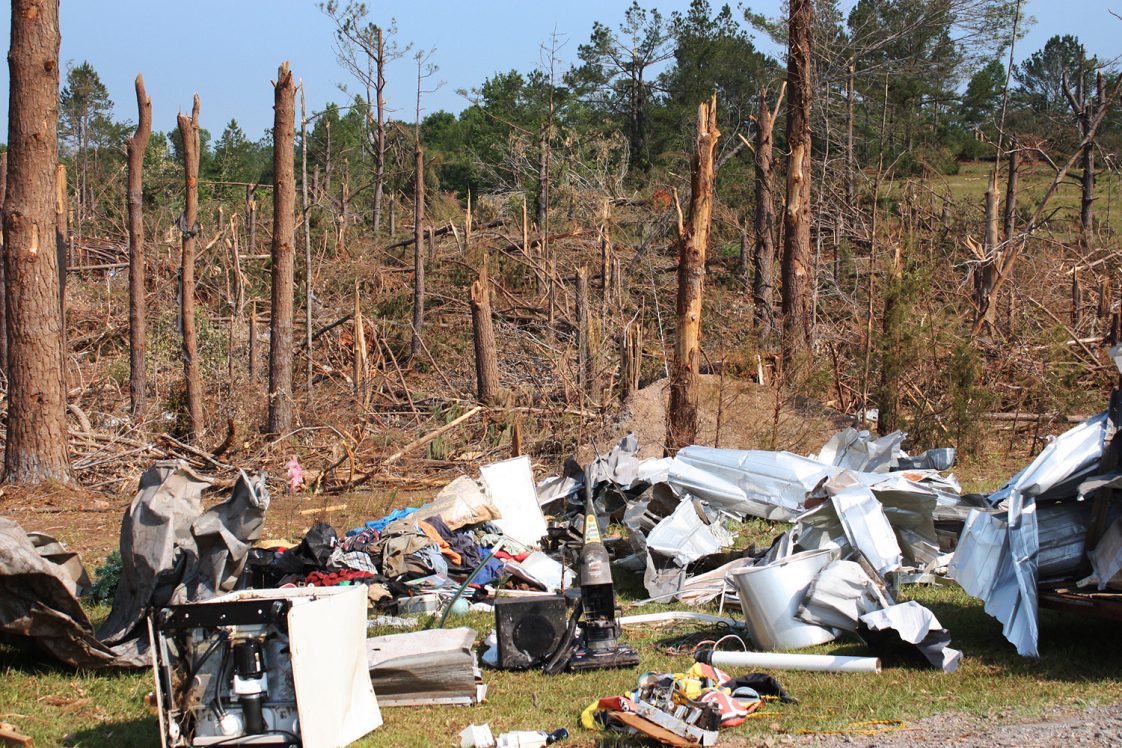
AUBURN UNIVERSITY, Ala. — Having items like first-aid kits and flashlights on hand is the foundation of being prepared to face an emergency. However, are your finances ready to face the same emergency?
Portia Johnson, an Alabama Extension financial management specialist at Auburn University, said experiencing a disaster can be devastating to finances.
“Research shows that it can take communities and families 10 years or more to fully recover financially from a natural disaster,” Johnson said. “Preparing for both the expected and unexpected can help families shorten this recovery window.”
September is National Preparedness Month, making it a great time for people to examine their emergency financial plans to see where the gaps may be. Johnson said one of the most common mistakes people make in their finances is relying too heavily on third parties to make them financially whole after a disaster.
“Although monies are often available from nonprofits or agencies to assist families, businesses and communities in disaster recovery, these funds are often limited and sometimes have restrictions,” said Johnson, also an assistant professor in the Auburn College of Human Sciences. “It’s important that individuals and families take the lead in their own disaster resilience.”
Know Your Risks
Natural disasters can happen anywhere, but some areas are more prone to certain disasters than others. People should know and understand the risks that are most likely to happen in their areas. For example, Alabama’s coastal communities are more likely to have major impacts from hurricanes and tropical storms. In other areas, such as central Alabama and the Tennessee Valley region, tornadoes are more likely. However, some disasters know no bounds.
“Flooding can happen anywhere,” Johnson said. “Even if a home isn’t near a body of water, like a lake or river, the home might still be at danger of flooding, especially during heavy rains.”
Agencies like the Federal Emergency Management Agency have resources that can help people better understand their risks.
Types of Insurance
Understanding potential risks can affect the financial plans that people make, such as the insurance policies they purchase. Johnson said insurance offers some protection against the financial fallout that can happen after a disaster.
“Although it’s hard to know when natural disasters will strike, history tells us they will happen at some point,” Johnson said. “While some types of insurance are more common, there are some types that people don’t often consider, such as flood coverage.”
Other types of insurance not often considered include coverage for loss of use and extended replacement cost. When a home is uninhabitable, people can use a loss of use policy to pay for hotel rooms and eating out. Extended replacement cost coverage is a financial padding that ensures a person’s coverage is enough to rebuild their home after a disaster. Johnson said this type of coverage is even more important as the cost of building materials increase.
“High-value items, like expensive clothing, jewelry and art, are often not fully covered in your basic homeowner or rental policy,” Johnson said. “Explore purchasing an insurance rider policy — like a scheduled personal property or personal articles floater — to insurance such items.”
Protecting Financial Documents
It is recommended that people pack a go bag and stay bin for emergencies. A go bag is for people to use during an evacuation. It needs to have essentials for two to three days. A stay bin is for times when sheltering in place is necessary. This bin should have essentials to last for five to seven days. Johnson said people should also keep copies of financial documents in both containers.
“Store these documents in a waterproof container, and the stay bin container should also be fireproof,” Johnson said. “Documents to keep stored include photocopies of forms of identification, a proof of address, insurance policies, a list of emergency contacts, a list of bank and investment accounts, your most recent tax return and legal documents, such as wills and trusts.”
More Information
Alabama Extension’s Human Sciences team delivers a community program — 52 Ways to Hazard-Proof Your Finances — in 30-minute and 60-minute presentations. This program is a multistate project led by Johnson and several other state specialists across the U.S. The program is sponsored by the Extension Disaster Education Network. Find more information at extensiondisaster.net. To find a local program delivered by the financial management team, visit the calendar at aces.edu. People can also contact the Extension agent in their area.