
Crop Production

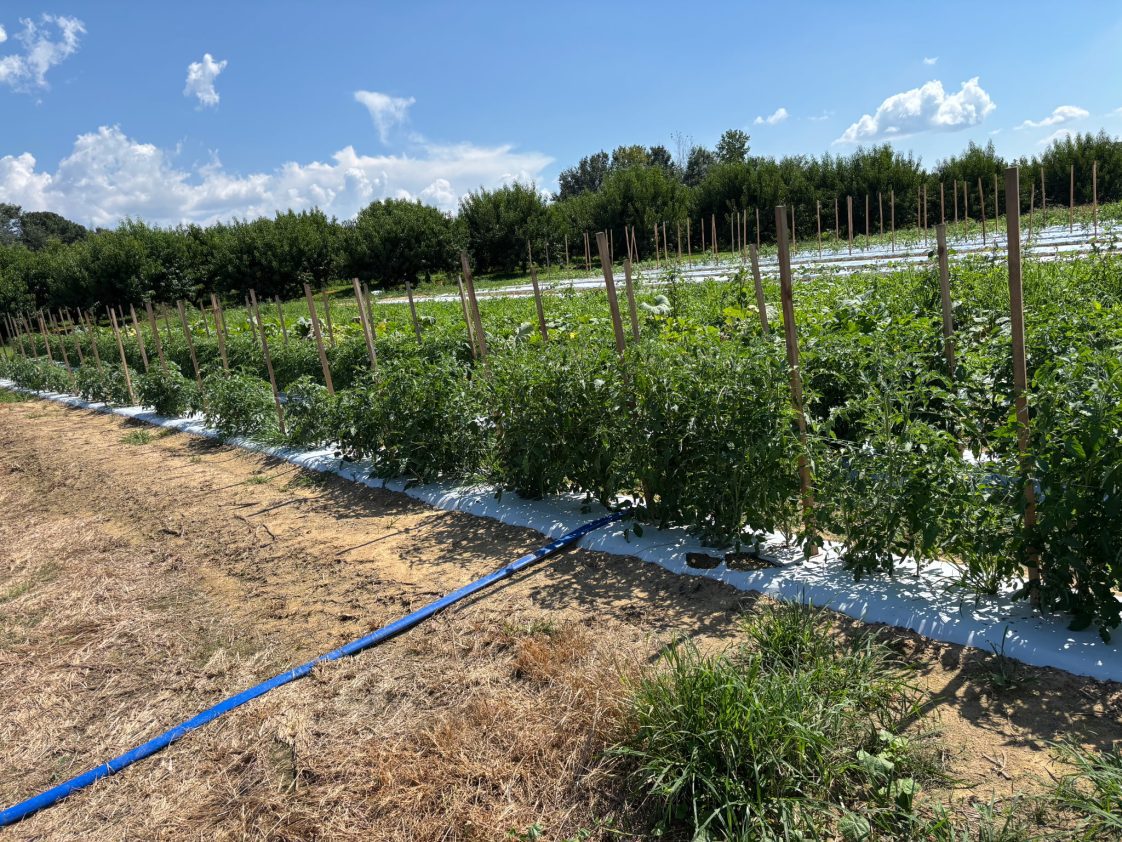
In 2025, Alabama has experienced an above-average year for rainfall, leading to an increase in plant disease concerns across the state. The elevated moisture levels and favorable temperatures have created ideal conditions for disease development in both home gardens and commercial agricultural operations.
Plant diseases require three key components to develop: a susceptible host, a disease pathogen, and a conducive environment. These components are commonly referred to as the disease triangle. When all three are present simultaneously, the likelihood of a disease outbreak increases significantly. Warm temperatures combined with high humidity and frequent rainfall provide optimal conditions for many plant pathogens to infect and spread.
Proper plant spacing is a practical and effective strategy to help mitigate the incidence and spread of plant diseases. The following information focuses on plant spacing as a cultural control method, which can be used in both home gardens and commercial fields.
Importance of Plant Spacing
Adequate spacing between plants promotes better air circulation, which facilitates the drying of foliage after rainfall or irrigation. The longer that plant leaves remain wet, the greater the opportunity for pathogens to infect the plant tissue. In contrast, during dry or drought conditions, disease outbreaks are typically less severe or less frequent, demonstrating the importance of moisture in disease development.
Drip irrigation or soaker hoses are often recommended because they deliver water directly to the soil without wetting plant foliage. This minimizes leaf wetness and reduces the risk of disease.
Disease Spread and Plant Proximity
Plants that are spaced too closely together are more susceptible to rapid disease spread. Pathogens can easily move from an infected plant to neighboring healthy plants through direct contact or via splashing water from rain or overhead irrigation. Overhead irrigation and natural rainfall can disperse pathogens from leaf to leaf, making tight spacing a contributing factor in disease proliferation.
By increasing the space between plants, the likelihood of such transmission is reduced. Improved airflow and reduced contact between plants hinder the ability of pathogens to spread, making plant spacing a vital component in integrated disease management.
Considerations for Commercial Farming Plant Spacing
Commercial farming operations often utilize tighter plant spacing to be able to use equipment, such as air-blast sprayers, to apply fungicide onto all areas of the plant. However, plant spacing remains an important consideration. Even with fungicide applications, overly dense planting can still contribute to a favorable microclimate for disease development. Therefore, commercial producers should strike a balance between maximizing yield and minimizing disease risk through appropriate spacing and integrated cultural practices.
Resources
Recommended plant spacing for commercial crop production can be found in the Southeastern U.S. Vegetable Crop Handbook.
Recommended spacing for home gardens can be found in the Alabama Extension publication, Planting Guide for Home Gardening in Alabama.
If you have any questions about plant disease and other growing practices, call your county Extension office for assistance.