
Food Safety

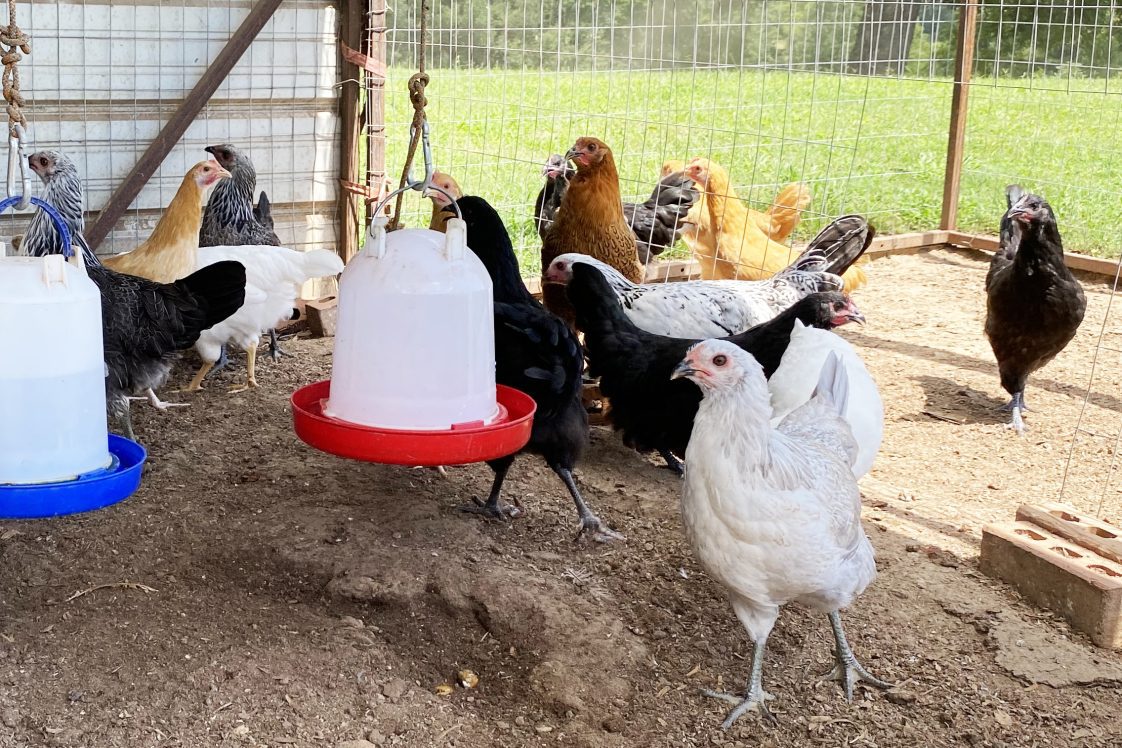
When winter gives way to spring, those with backyard chickens may find themselves with a surplus of eggs. Even after enjoying omelets, quiches, cakes, and other egg-based dishes, hens may produce more than the owners can consume. However, there are additional ways to put those eggs to good use.
Sharing or Selling Eggs
Eggs can be shared with friends, family, or neighbors. This can help people who may not have access to farm-fresh eggs, and it’s a great way to spread a little joy.
Another option could be transforming that egg surplus into a side business. Selling at a local farmers markets or even from home can be a rewarding way to share eggs with others. Before starting, be sure to check local regulations on selling eggs.
If the backyard flock includes a rooster, fertilized eggs could be incubated to hatch new chicks. This is a wonderful way to replenish or expand a flock as the year progresses.
Storing Eggs
Eggs can be stored, which is especially helpful during the leaner months of fall and winter when egg production drops.
According to the National Center for Home Food Preservation, eggs can maintain their quality for at least a month when stored properly in the refrigerator. To store eggs longer, freezing is a great choice.
To freeze eggs for optimal quality, follow these steps provided by the center:
- Decide on freezing yolks and whites separately or combined. For yolks or whole eggs, add 1 ½ tablespoons of sugar or corn syrup or ½ teaspoon of salt per cup of eggs, depending on your intended use. For plain egg whites, no additions are needed.
- Pour eggs into the compartments of an ice cube tray. A silicone tray will allow for easier removal. Place in freezer.
- Once frozen, pop eggs out and transfer to a freezer bag. Label bags with the date and egg mixture. When needed, thaw the frozen eggs overnight in the refrigerator.
For even longer storage, eggs can be freeze-dried. While this requires specialized equipment, it allows eggs to be stored for years, when packaged properly. Keep in mind, however, that freeze-dried eggs are still raw. They must be handled with care and should be fully cooked before consumption. Please note, the freeze-drying process is very different from traditional dehydration methods. Dehydration is not recommended for raw eggs due to the length of time the eggs would be in the temperature danger zone.
Avoid Water Glassing
In the past, the practice of water glassing with a solution of lime water or sodium silicate was used to preserve eggs. While this technique was once common, it is no longer recommended. Storing eggs outside of refrigeration can allow bacteria that may be in the egg to multiply quickly, and there is no way to know if an egg contains salmonella. Additionally, some experts expressed concerns about harmful substances leaching into the eggs from the solution.
Safe Handling and Storage
When handling eggs, safety is paramount. Always wash hands before and after handling eggs. Also, store eggs at the proper temperature. For more detailed information about the best way to store eggs, reach out to the local Alabama Extension office. Extension experts can provide research-based methods to ensure eggs stay fresh and safe for consumption.