
Home & Family


Staying hydrated isn’t just a tip for the summertime. It’s a smart and simple way to support managing diabetes. Water is a crucial factor to help the body function at its best, from regulating blood sugar to maintaining higher energy levels. Those with diabetes tend to be at a greater risk for dehydration. In fact, even a slight loss in fluid can result in higher blood glucose levels (blood sugar) and affect nerve and kidney function. This happens when blood sugar rises because the body tries to get rid of the excess glucose through urination, removing important fluids and electrolytes with it.
When hydration is low, blood becomes more concentrated, which further elevates blood sugar levels. Dehydration can be the result of many factors, including increased sweat from hot weather, underhydration, or taking diuretic medications. This can lead to symptoms like fatigue, increased thirst, confusion, dizziness, or dry mouth. These symptoms can be the body’s way of signaling that it needs more fluid, but by the time the symptoms show up, you may have already lost up to 2% of your body’s water. Even a small dip in hydration can raise blood sugar levels and affect how you feel. Because thirst often comes after dehydration has already started, it is important to drink regularly, not just when you feel thirsty. This is especially important in older adults since the body’s natural thirst signals become weaker with age. Staying hydrated not only helps you feel better day-to-day but also protects against heat-related illness and supports long-term kidney health.
How Fluids Support the Body
Water plays an important role in nearly every system in the body, especially for people with diabetes. Hydration supports digestion, maintains blood volume, and helps insulin work more effectively. Drinking enough water makes it easier to regulate blood sugar levels and allows for kidneys to remove excess waste more efficiently.
Certain medications used to treat diabetes, like SGLT-2 inhibitors (canagliflozin, dapagliflozin, and empagliflozin), can increase urination, meaning that fluid needs may be even higher. People who live in humid climates, spend a lot of time outdoors, are physically active, or manage other conditions like high blood pressure should also be mindful of their fluid intake. Supporting your hydration is more than just drinking when you feel thirsty. It is creating daily habits that support your fluid intake and help you feel your best while managing diabetes.
Ways to Stay Hydrated Every Day
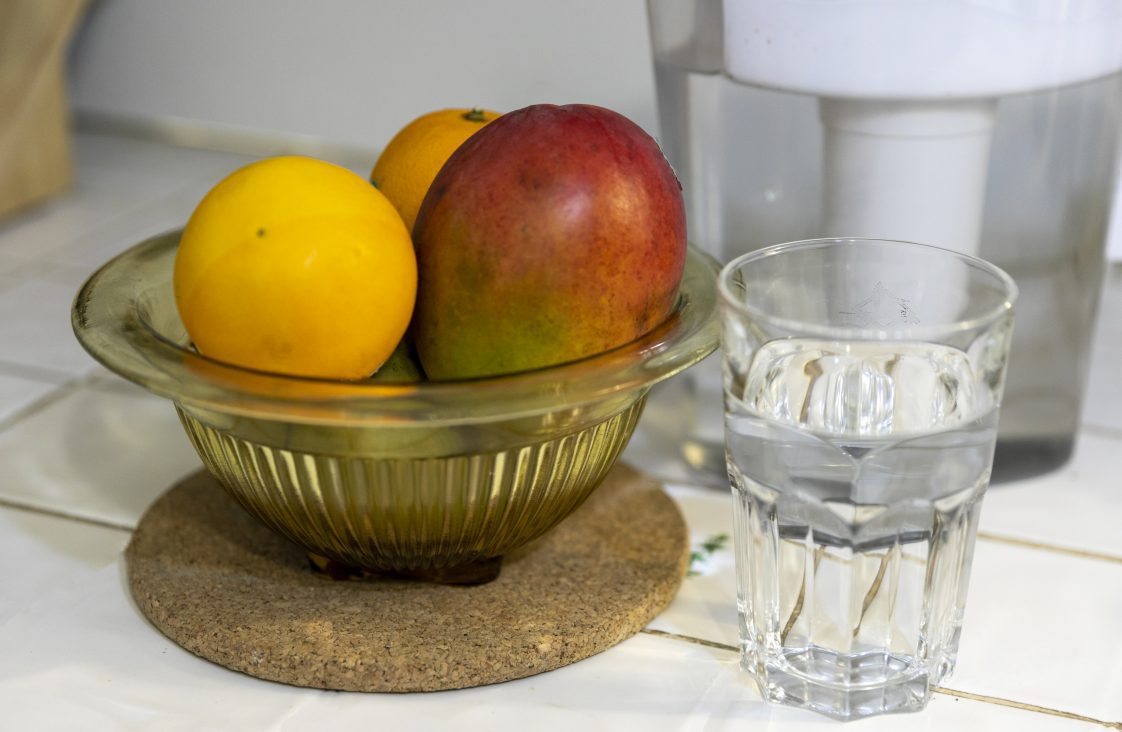
Good hydration does not have to be complicated. The best hydration plan is the one that fits your lifestyle. Here are some easy ways to support your health through fluid intake.
- Choose water first. Water is the most efficient drink to keep you hydrated. It is recommended to aim for 9 to 13 cups a day, unless advised differently from a medical professional. Keep a refillable water bottle with you throughout the day to encourage regular sipping.
- Add natural flavors. Try adding slices of lemon, berries, cucumber, or mint to infuse flavor without adding sugar.
- Hydrate with food. Many fruits and vegetables are high in water content. Watermelon, cucumbers, oranges, and lettuce are great options.
- Limit sugary beverages. Drinks like sodas, juices, and sweet teas that are high in added sugar do not provide hydration that lasts. Choose unsweetened drinks or low-sugar options when needed.
- Plan for high heat or activity. During hot weather, when you are either more active or spending time outdoors, make sure to hydrate before and after. This helps replace the fluid you may lose through sweat.
- Know the signs of dehydration. Watch for symptoms like dark urine, dry mouth, or fatigue. These could be signs that you need more fluids.
- Talk to your health provider. Everyone’s hydration needs are different. If you are unsure which hydration level is right for you, your healthcare provider can help guide your fluid goals.
Hydration — A Heathy Habit, All Year Long
While it’s easy to think that focusing on hydration is most important during the summer, hydration matters in every season. Whether you are looking to improve diabetes management or just increase daily energy, water is one of the easiest and most powerful tools. Making small changes like carrying a water bottle, eating hydrating foods, or checking in to see how you are feeling throughout the day can go a long way toward supporting your health. With every sip, you are helping your body stay energized, balanced, and at its best.
Resources
- American Diabetes Association: Hydration: The Unsung Hero in Diabetes Health
- American Diabetes Association: Why You Should Drink More Water