
About Us

The following is a excerpt of the Alabama Cooperative Extension System 2024 Annual Report. To read the full report, visit www.aces.edu/go/ACESAnnualReport.
Forest Business Resources
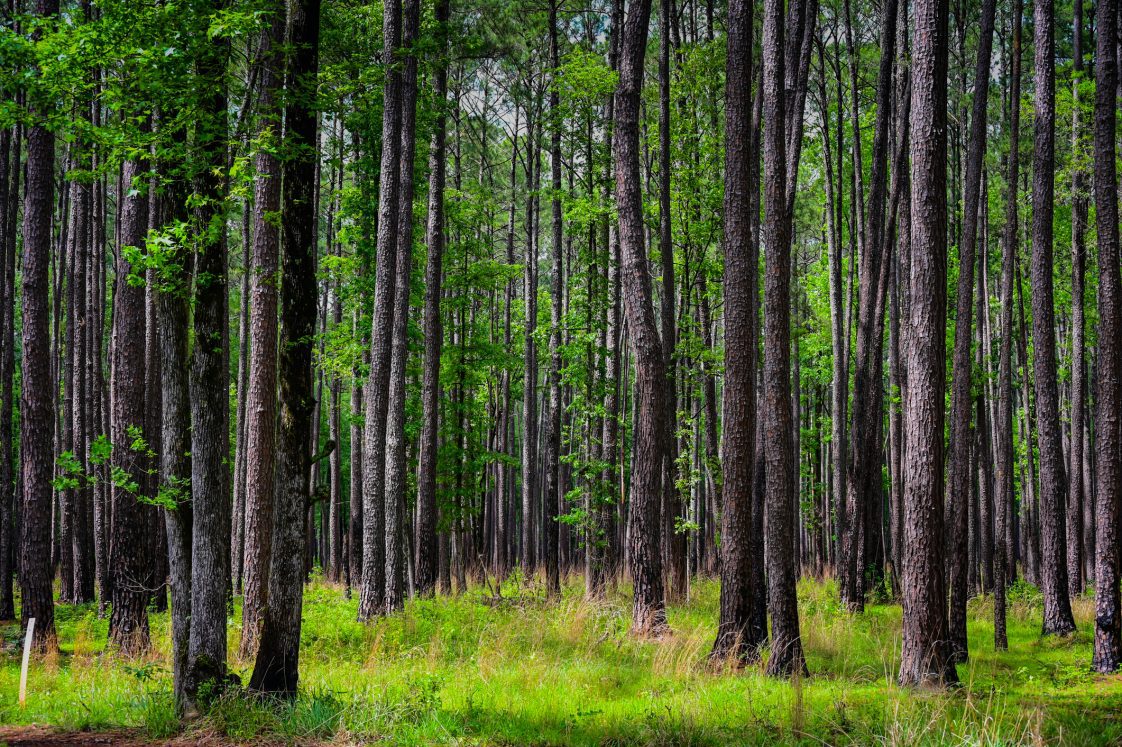
The focus of this project is to enhance the livelihoods of Alabama residents by improving forest management and business practices, increasing opportunities for producing income. Specifically, the information and tools focus on temporary or small-scale income-producing opportunities and owning and operating a value-added business to assist private forest owners in achieving their goals and objectives. This project educates landowners on the benefits of healthy forests and how practicing forest management can enhance the health and resiliency of forests and provide opportunities to generate income that can be used to support the costs of forest management practices. This includes climate-smart and resilient forestry education for professionals through train-the-trainer workshops, demonstrations, and online modules.
Number of Participants:
- 26 events, 1,920 participants
- Approximately 8,754,582 forestland acres owned or managed by participants in forest business resources workshops and events
- Estimated $4.4 million in improved forestland value, recovered loss, economic development, and financial decision-making based on information learned
The 2024 post-program evaluation summary was based on 501 participants with 8.4 million forested acres:
- 98% reported an increase in knowledge of the subject material
- 67% reported that they would apply something they learned to their forestland
Empowering Home-Based Food Businesses: Cottage Food Training Program
In 2024, Alabama Extension launched the Training to Sell Cottage Food program to address the challenges faced by home-based food businesses. This initiative balances the support for entrepreneurs with the importance of public health and food safety. By equipping cottage food producers with essential food safety knowledge, the program helps reduce the risks of foodborne illnesses while fostering entrepreneurship.
Throughout the year, the Food Safety and Quality team delivered a comprehensive 2-hour course covering topics such as food safety, canning, acidification, fermentation, and drying techniques. Participants who completed the course and passed an exam earned certification under the Alabama Cottage Food Law. This effort successfully trained 1,286 individuals, empowering them to meet legal requirements and pursue home-based food businesses.
In collaboration with the Alabama Department of Public Health (ADPH), the program provided essential training on both food safety and state-specific regulatory requirements. This partnership alleviated the strain on ADPH resources while enabling individuals to produce and sell nonhazardous food products from their homes. Updates to the law in 2021 offer more flexibility for producers, lifting the profit cap and allowing some to project earnings of more than $30,000 in 2024.
The broader public benefited from this initiative through increased food safety standards and enhanced entrepreneurial opportunities. The certification of 1,286 individuals empowered 85 percent of participants to start businesses and generate extra income for their families. The program reached a diverse group, including rural producers and a significant number of women. Sixty-six of 67 Alabama counties now have at least one cottage food producer, contributing to local economies and fostering a reliable and safe marketplace. With an estimated combined profit of $5.94 million and a return on investment of 199 to 1, the program has had a transformative impact on both local economies and public health across Alabama.
Revolutionizing Agriculture: Second Spray Drone End User Conference
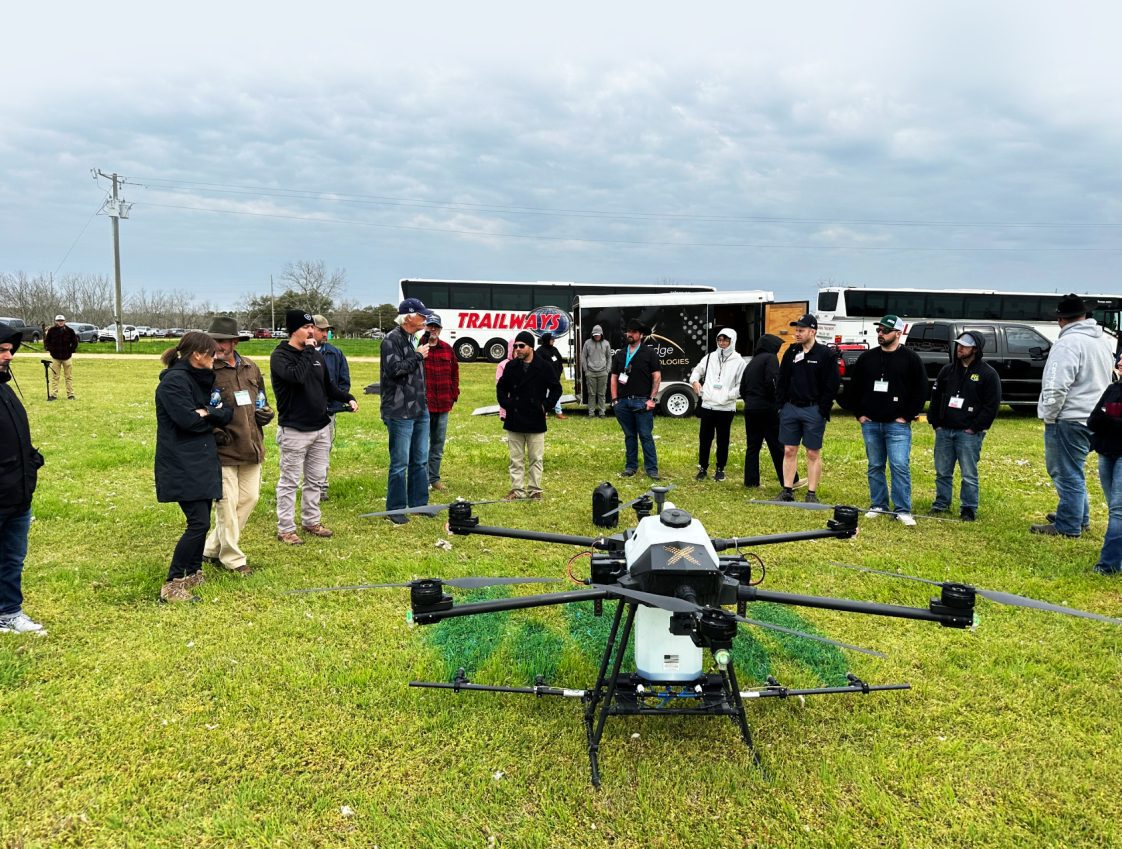 In 2024, Alabama Extension hosted the Second Spray Drone End User Conference, addressing the growing interest and challenges in the adoption of spray drone technology. This event provided a trustworthy platform for farmers, ranchers, pesticide applicators, agrochemical companies, and regulatory agencies to acquire critical knowledge for effective, efficient, and legal drone operations in agriculture.
The three-day conference held in Gulf Shores, Alabama, brought 385 participants from 25 countries and 40 states together in one place. Attendees included renowned researchers, government employees from regulatory agencies, manufacturers, distributors, agrochemical companies, and end users. More than 50 speakers and panelists shared their expertise, covering the latest spray drone research, pattern testing results, and updates from the FAA, EPA, and global spray drone task force. A field day at Gulf Coast Research and Extension Center showcased the latest spray drones and mixing trailers, offering hands-on demonstrations.
Participants greatly benefited from the information presented at the conference. They learned about safe and legal drone operation, industry needs, and advancements in spray drone technology. Survey responses highlighted the event’s success, with attendees praising the organization, the informative sessions, and the diverse topics. In-person attendees rated the conference 4.73 out of 5, while remote participants gave it a 4.36 out of 5.
The broader public reaped the benefits of this conference as well. High school science teachers, community and technical college instructors, students, and young entrepreneurs attended at an academic rate, gaining valuable insights into the latest agricultural drone technology. The conference sparked strong interest among young people, inspiring future careers in this innovative field.
By providing a platform for education and collaboration, the Second Spray Drone End User Conference has become the most informative and end user–focused spray drone event in North America, fostering safe and efficient drone operations in agriculture.
Venomous Snake Training Classes
Human-snake conflicts have existed for millennia. Snakes seem to capture the public’s imagination through a combination of fear and fascination. At the same time, many people are beginning to recognize their ecological importance, and requests for snake relocation rather than extermination have become increasingly common.
“Grateful for the offering, excellent instruction, and hands-on training.”
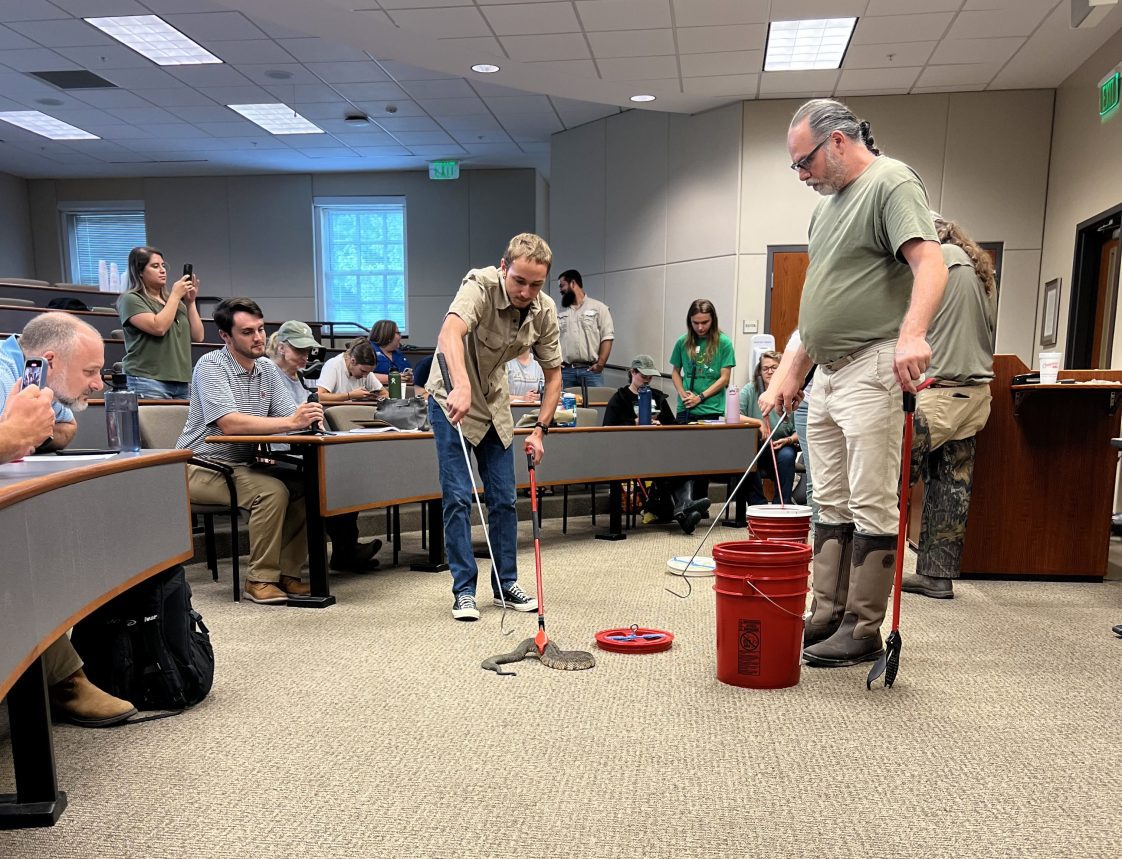 Alabama Extension identified the need to offer venomous snake training classes, focusing on identification, safety, and proper handling techniques. We wanted to ensure that the people most likely to respond to a snake call were receiving the training, particularly first responders—police officers, firefighters, EMTs, and animal control workers. These workshops taught attendees how to correctly identify native venomous snakes, general safety procedures, and steps to take if bitten. They culminated in attendees getting to interact directly with native venomous snakes, including timber rattlesnakes, copperheads, and cottonmouths, while using appropriate tools to handle and secure them for relocation.
Between June and November 2024, Extension conducted seven day-long workshops geared toward first responders, who received, on request, CEUs appropriate to their profession. The geographic scope of the workshops was statewide, occurring in Pike, Sumter, Blount, St. Clair, Elmore, DeKalb, and Houston Counties. Four shorter workshops on snake identification and safety were offered to the general public in Hale, Greene, and Tuscaloosa Counties.
“Much needed and probably a very overlooked subject. There’s a lot of ignorance that this class stamped out when dealing with snakes.”
Number of Participants:
- 284
- 156 participants had the opportunity to work directly with venomous snakes to increase the ability to relocate them safely.
- Average perceived ability to correctly identify venomous snakes increased from 2.5 (Slightly Knowledgeable) to 4.0 (Very Knowledgeable) on a five-point scale.
- 79% indicated their opinion of snakes had changed by the conclusion of the workshop.
- 83% indicated they were More Comfortable or Much More Comfortable safely relocating a venomous snake should the need arise.
New May 2025, Alabama Cooperative Extension System 2024 Annual Report, ACES-2838