
Home & Family

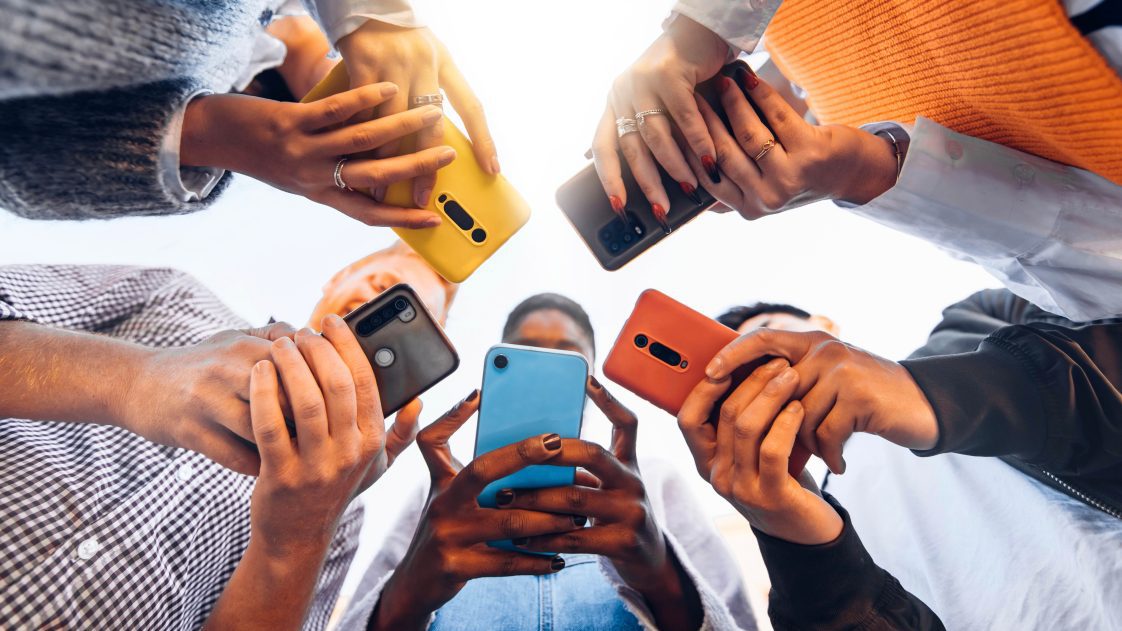
AUBURN UNIVERSITY, Ala. — Social media has become a constant part of daily life for both young people and adults. The tools, exposure and connections it fosters can offer valuable insights. However, navigating the unspoken pressures of what social media portrays can be challenging. While social media can be both a blessing and a curse, understanding its benefits and drawbacks is crucial, especially for today’s youth.
According to Adrienne Duke-Marks, an Alabama Cooperative Extension System human development and family science specialist, youth can be highly influenced by social media and influencers.
“The curated images social media influencers project may lead to social comparisons, lowered self-esteem and other issues among adolescents,” Duke-Marks said.
Social Media Influencers
The rise of social media has brought about the emergence of the term “influencer.” An influencer is someone who leverages their expertise, interests or experiences to promote themselves, products or lifestyles online. Many of these influencers are 18 to 24 years old, and their content frequently resonates with a teenage audience.
“Research indicates that while some influencers promote healthy behaviors, such as increased physical activity, others may inadvertently encourage harmful practices because of limited expertise in an area or commercial interests via sponsored ads in their content,” Duke-Marks said. “Some influencers do not expose that their content is an ad, so youth may not realize that influencers are trying to sell them products.”
Younger audiences may see these influencers as trustworthy sources of information or advice. The admiration they have for them can significantly influence their behavior, perceptions of lifestyle, self-image and even their habits. A recent study found that exposure to aspirational content is linked to higher social anxiety and life dissatisfaction, as teens feel pressured to meet unrealistic standards.
One of the most prevalent unrealistic standards is the physical expectations placed on both young men and women. Statistically, young women are more likely to experience negative body image and lower self-esteem because of the content and influencers they follow. In 2023, the American Psychological Association warned parents, children and social media users that excessive social media use can amplify feelings of inadequacy and contribute to the rise in mental health challenges, particularly among adolescents.
A Silver Lining
Advancements in marketing and technology most often have both pros and cons. While much attention is given to negative aspects of social media and its influencers, there are positive sides as well. Some influencers serve as healthy role models for teens, inspiring them to lead more active lifestyles and prioritize health and wellness. Others use their platforms to advocate for mental health awareness or support those struggling with various health conditions. They emphasize that seeking help is not something to be ashamed of but rather an empowering step toward self-improvement and personal growth.
“A recent study done by Dr. Brian Gillis in the Auburn University College of Human Sciences examined sleep advice given on TikTok to see how it compared to the science,” Duke-Marks said. “Most sleep tips, but not all, were in line with the research. Therefore, in some cases, influencers are promoting positive behaviors online.”
More Information
More information on teens and social media is available in the Extension Brief, “Healthy Social Media Use: Looking Beyond Screen Time,” available at aces.edu. For more information about programs for youth, call or visit your county Extension office.