
Lawn & Garden

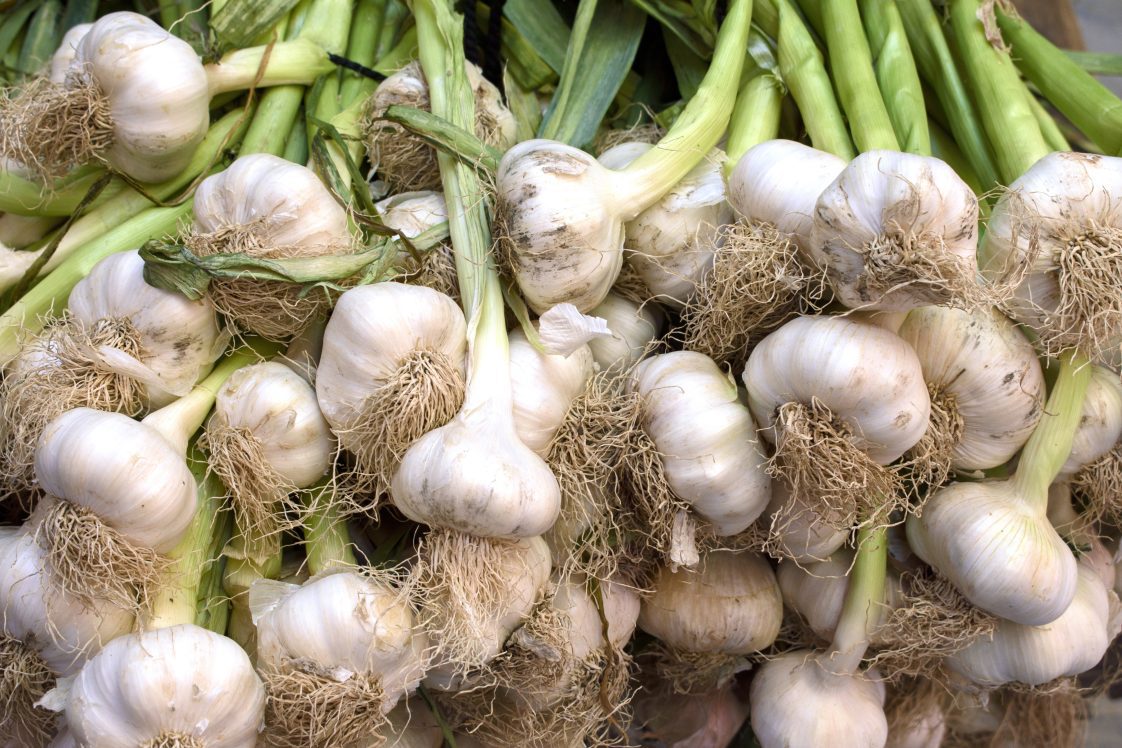
According to the US Department of Agriculture (USDA), California now produces the most garlic in the nation, while China produces the most garlic worldwide. In 2021, the Alabama Cooperative Extension System received a Specialty Crop Block Grant from the USDA to examine growing garlic varieties in Alabama. Through this initiative, Extension home horticulture staff cultivated 11 garlic varieties at two locations: the Botanical Gardens in Birmingham and the Jeremy Calvert Farm in Cullman.
Study findings revealed that garlic is not only a promising crop for Alabama but also one that requires minimal effort. It produces well if the right varieties are selected for Alabama’s subtropical climate, which typically has warm, humid summers, temperate winters, and year-round precipitation. This offers reassurance to farmers and home gardeners interested in growing specialty crops.
Planting Garlic
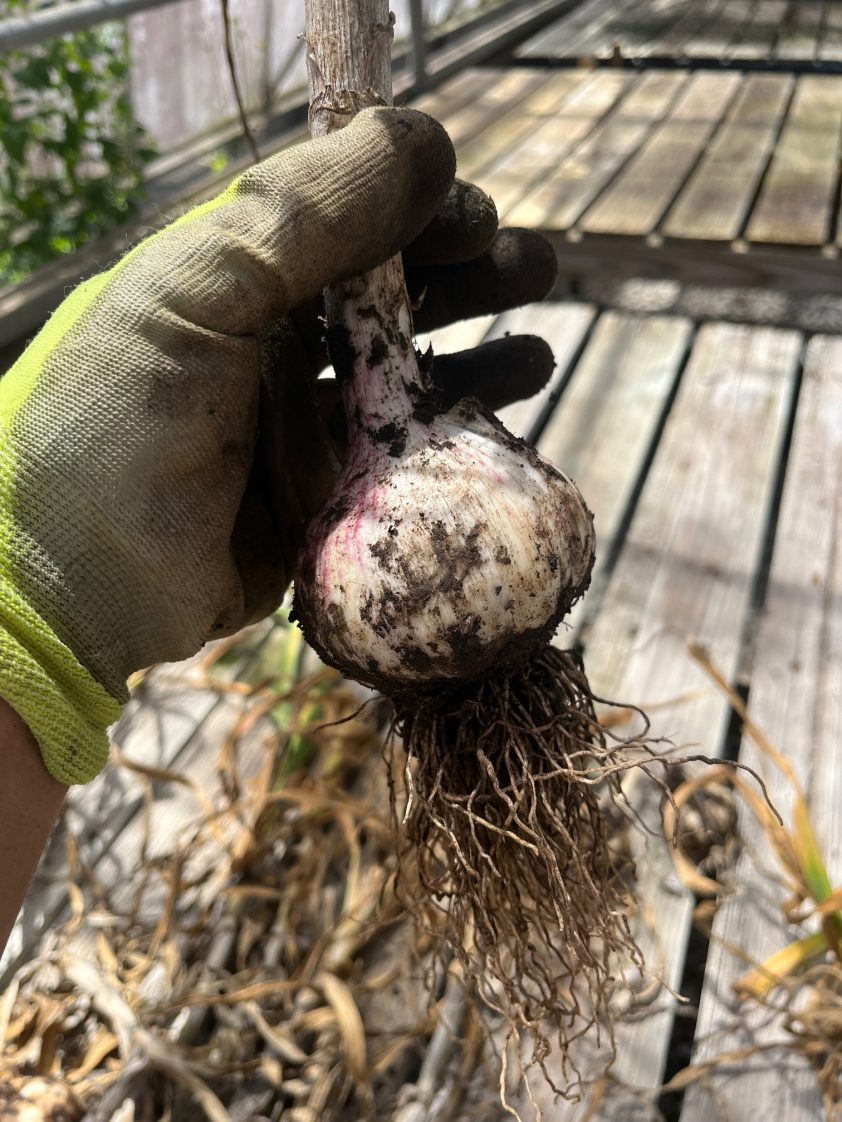 When planting garlic, the soil must be aerated with sufficient organic matter and have proper drainage for the garlic to develop sizable bulbs. Garlic is planted in individual cloves, about 4 inches apart, and must be sown at least 2 weeks before the first frost. For central Alabama, that time is early to mid-November. Two to 4 weeks will give the plant ample time to sprout and establish in the root zone before harsher weather arrives.
The crop usually grows for 6 to 8 months, depending on the variety. For example, Inchelium Red, Chinese Purple, Chesnok Red, and Oregon Blue were the first to die back (leaves turning brown from the base of the plant) in warmer weather. These varieties may mature faster for growers in central Alabama. Meanwhile the others—Music, St. Helens, and Purple Glazer—showed that their harvest could be extended by as much as 3 to 4 weeks.
Bulbs Sizes
The size of the bulbs was directly correlated to the size of the seed selected for planting. For example, Uzbek yielded an average weight of 93.89 grams per bulb, and Purple Glazier yielded an average of 86.82 grams per bulb. These two were by far the largest yielding varieties with significant bulbs.
Soft neck garlic will grow flowers that should be pruned off the plant before the flower bud opens. The results from the trial further indicated the garlic plants that produced flowers (scapes) that were later removed were larger compared to those that did not remove the flowers. The pruning or removal of scapes helps to transmit energy from the flowering part of the plant down to the bulbs of the plant. Exceptional quality was observed in the St. Helens, Asian Tempest, Chinese Purple, and Purple Glazier varieties.
Other Uses
Garlic has a savory flavor and countless medicinal benefits that may encourage consumers to eat more vegetables. Alabama growers may consider adding this crop into crop rotations to maximize production outcomes and minimize risks associated with growing only one or two specialty crops. Home gardeners can also benefit from cultivating garlic in their gardens.
For more information, contact Urban Regional Extension Agent Bronson Lubresky at brl0015@aces.edu or (205) 937-8701.