
Crop Production

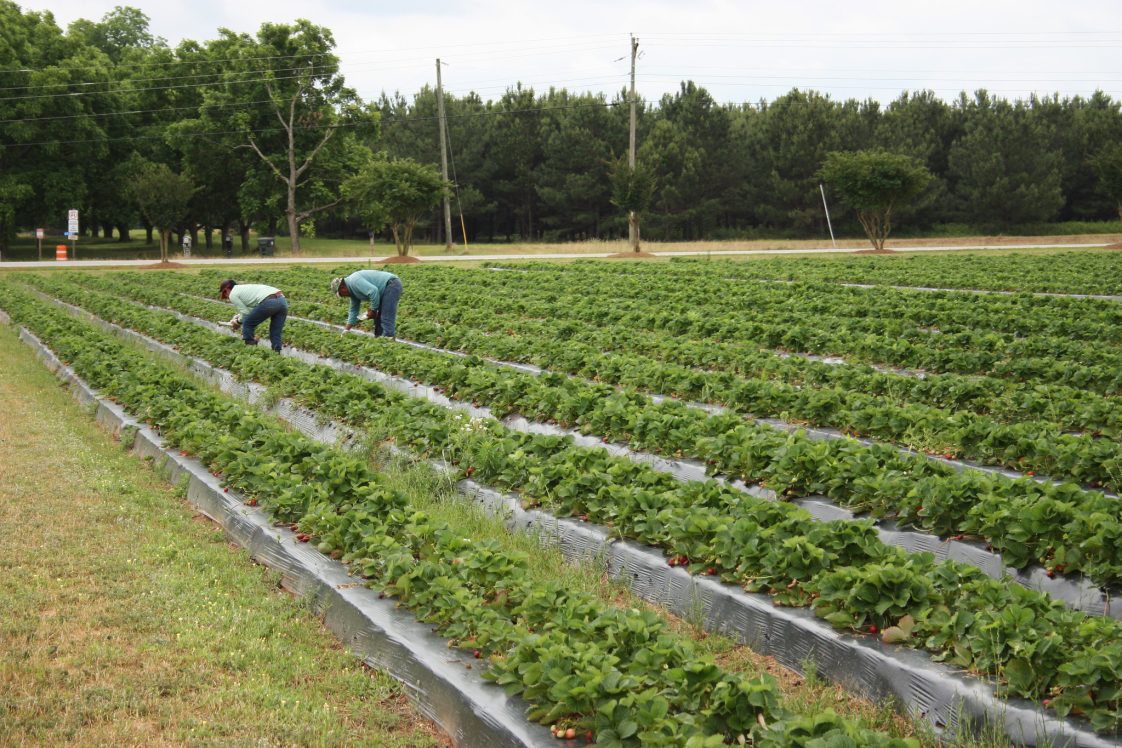
As Hurricane Helene approaches the United States, specialty-crop growers in the Southeast need to prepare for the impact of strong winds and heavy rainfall. The following are essential recommendations to help produce growers build resilience against hurricanes and tropical storms.
1. Keep Thorough Documentation
Good recordkeeping is your first line of defense when it comes to insurance claims and recovery assistance. Start by reviewing your insurance policies to ensure that you have adequate coverage, including flood insurance. Be aware of any limitations and the timing for when coverage kicks in. Set up a robust inventory system to document your farm’s buildings, vehicles, equipment, harvests, and supplies. Use photos, videos, and written lists to create a comprehensive record. Store copies in multiple locations and update them weekly. When it’s time to evacuate, make sure that you have all your documentation ready, including a farm emergency plan and an emergency contacts list. This thorough approach can significantly reduce financial losses in the wake of a hurricane.
2. Secure Your Buildings and Structures
If possible, grade the land away from your packing sheds and consider building shallow berms for extra protection. Label your main circuit breaker clearly to facilitate quick power shutdowns during emergencies, especially if you need to maintain refrigeration for harvested fruits. Think about investing in backup power sources, like generators, to keep your coolers running during and after the storm. Document any damages caused by the hurricane and ensure that your insurance policy adequately covers all your facilities, vehicles, crops, and livestock.
3. Create an Electrical Power Plan
Keep your electrical power plan alongside your farm emergency plan. It’s important to comply with local, county, and state regulations for backup power. Consider installing a standby generator with a transfer switch in key areas, ensuring it can handle the power needs of your irrigation pumps and cooling systems. Make sure you have enough fuel stored for at least 2 weeks of continuous operation. Place operating procedures near each generator, and consult the owner’s manual for maintenance and safety guidelines.
4. Plan for Farm Access
Ensure that your primary driveway has adequate drainage to prevent flooding. If feasible, create a secondary entrance for alternative access if the main entrance becomes blocked. Consider renting or borrowing a boat for potential post-hurricane access if all of the roads are flooded. Focus on effective water management by increasing sand content for better drainage and conducting deep tillage. Develop surface and subsoil drainage systems, create water retention areas, and ensure culverts are properly designed. Always consult relevant guidelines for safety and maintenance.
5. Prepare Your Irrigation Systems
Irrigation and water systems may be damaged and improper for use, leading to significant losses. Even with heavy rainfall, well-drained sandy soils might still require irrigation soon after. The following are some tips to mitigate risks:
- Elevate irrigation pumps to reduce flooding risks.
- Install backflow prevention devices to avoid water contamination.
- Ensure clear access to pumps for timely generator support.
Remember, prehurricane water table levels can significantly affect flooding risks, so be patient. Allow 4 to 6 days for it to return to normal after heavy rains. Effective land management strategies include clearing away trees that could block access and planting windbreaks with native species to reduce wind damage.
6. Develop an Emergency Plan
Your farm emergency plan should outline how your operation will respond to a hurricane, preparing for the worst while ensuring continuity. Customize your plan with checklists to secure facilities, fuel supplies, chemicals, and equipment. Stock critical supplies and create separate checklists: one for evacuation and one for those who will stay. Everyone should know where the plan is stored, and it’s a good idea to keep updated maps that show alternate routes and key locations. If you have more than ten employees, the Occupational Safety and Health Administration (OSHA) requires a printed emergency action plan that is accessible to everyone. For smaller crews, an oral review will suffice. Check the OSHA Agricultural Safety Fact Sheet for more details.
7. Communication and Contacts
Develop an emergency contacts list that includes crucial people like owners, employees, emergency responders, and local agencies. Keep copies in multiple locations—such as your home, office, and vehicles—and store a digital version on mobile devices. Establish communication with local law enforcement, fire departments, and utility providers to keep them informed about your farm’s needs. For post-hurricane communications, invest in a battery-powered or hand-crank radio and identify meeting spots for your team. Ensure that your personnel are trained in operating equipment and responding to emergencies.
Conclusion
By taking these preventive measures, agricultural operations can bolster their resilience against hurricanes and tropical storms. For more information and resources, contact your your local Extension office. Stay safe and work together to weather the storm.