
Urban Agriculture

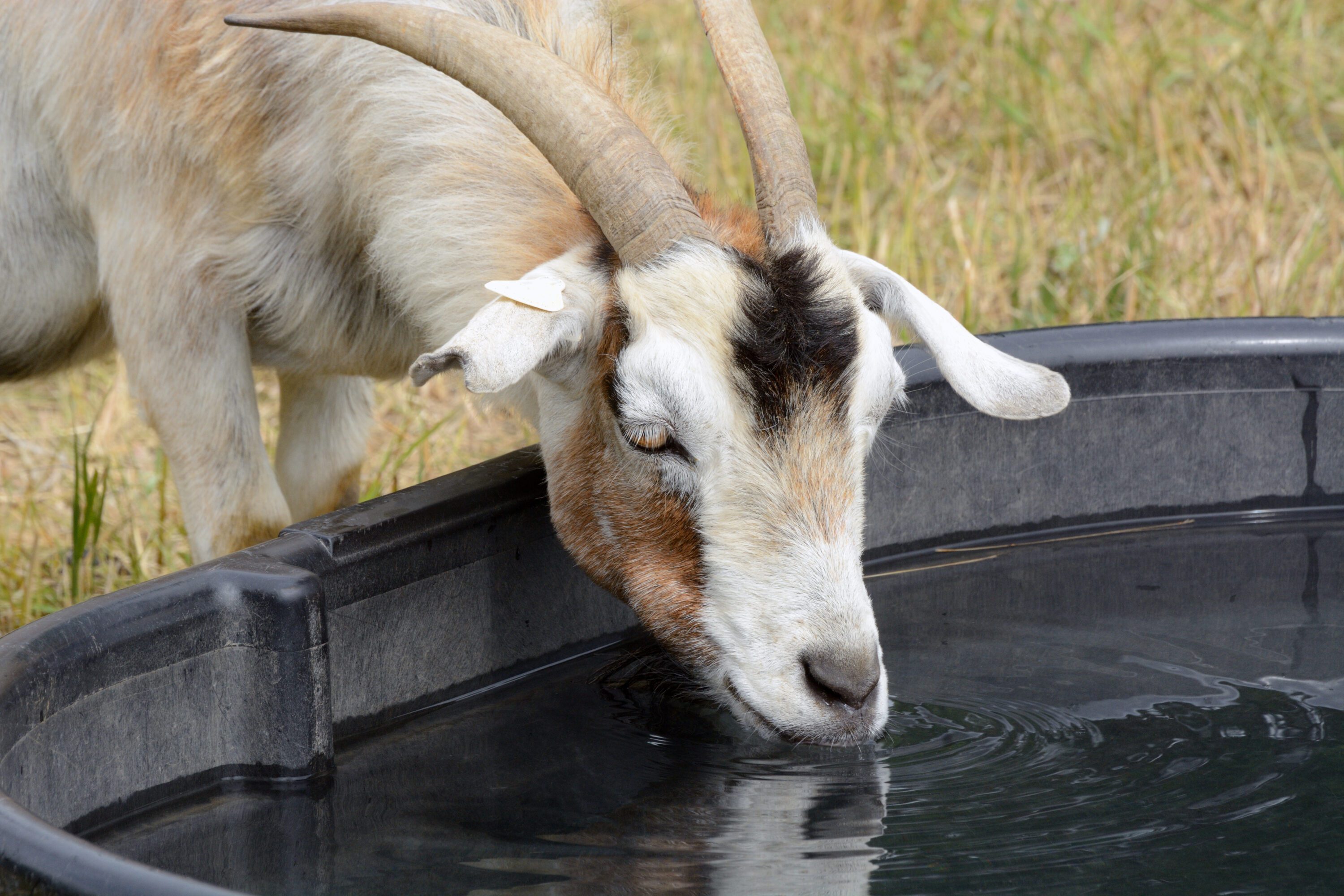
Small ruminants play an essential role in global food security by providing meat, milk, fiber, skins, and income for millions of households. Sheep and goats are especially important in urban agriculture, small-scale farming, and low-input production systems because of their adaptability and efficient feed conversion. However, increasing global temperatures, more frequent heat waves, and changing weather patterns associated with climate change are making heat stress one of the most significant challenges affecting sheep and goat production.
Heat stress reduces animal welfare, compromises immune function, lowers reproductive efficiency, decreases growth and milk production, and increases mortality. In the southeastern United States, including Alabama, prolonged periods of high temperature combined with high relative humidity greatly increase the risk of heat stress during late spring, summer, and early fall. Understanding how heat stress develops and implementing preventive management practices are essential for maintaining healthy and productive flocks.
What is Heat Stress?
Heat stress occurs when animals cannot dispel excess body heat, leading to elevated body temperatures. When this occurs, body temperature rises above the animal’s normal physiological range, resulting in metabolic and physiological disturbances.
Table 1. Normal Rectal Temperatures
| Species | Normal Body Temperature |
|---|---|
| Sheep | 102.0–103.5°F (38.9–39.7°C) |
| Goats | 101.5–103.5°F (38.6–39.7°C) |
Heat stress develops when environmental conditions exceed the animal’s capacity to regulate body temperature through radiation, conduction, convection, and evaporation (panting). Unlike cattle and horses, sheep and goats have few functional sweat glands, making panting their primary cooling mechanism. During periods of high humidity, evaporation becomes inefficient, increasing the risk of severe heat stress.
Understanding the Temperature-Humidity Index
The Temperature-Humidity Index (THI) combines air temperature and relative humidity to estimate heat stress risk.
Table 2. General THI Categories
| THI | Heat Stress Level |
|---|---|
| <72 | Comfortable |
| 72-78 | Mild stress |
| 79-88 | Moderate stress |
| >88 | Severe heat stress |
Because humidity limits evaporative cooling, animals may experience heat stress even when air temperatures are below 90°F.
Why Heat Stress is Becoming More Common
Climate change has significantly increased the occurrence of heat stress in livestock production systems worldwide. Rising global temperatures, longer and more frequent heat waves, higher nighttime temperatures, prolonged droughts, and increasing humidity have collectively reduced the ability of animals to recover from daytime heat exposure. In many regions of the southeastern United States, including Alabama, prolonged periods of temperatures above 90°F combined with relative humidity exceeding 70 percent create ideal conditions for heat stress during late spring, summer, and early autumn. These climatic changes not only increase the frequency of heat stress events but also extend their duration, making heat stress management a year-round concern for many livestock producers.
Physiological Effects of Heat Stress
Heat stress affects virtually every physiological system in sheep and goats. As body temperature rises, animals increase their respiratory rate and begin panting more rapidly in an attempt to dissipate heat through evaporation. Blood vessels near the skin surface dilate, increasing blood flow to facilitate heat loss. At the same time, feed intake declines because digestion generates additional metabolic heat, leading to reduced nutrient intake and negative energy balance. Heat stress also alters endocrine function by increasing circulating concentrations of cortisol, aldosterone, and antidiuretic hormone while suppressing thyroid hormones, growth hormone, and reproductive hormones. Furthermore, oxidative stress increases as excessive reactive oxygen species are produced faster than antioxidant defenses can neutralize them. Collectively, these physiological changes impair metabolism, weaken immune function, reduce reproductive performance, and decrease overall productivity.
Clinical Signs of Heat Stress
Common signs include:
- Rapid breathing (panting)
- Open-mouth breathing
- Drooling
- Elevated rectal temperature
- Increased heart rate
- Increased water consumption
- Reduced feed intake
- Lethargy
- Seeking shade
- Standing for prolonged periods
- Decreased rumination
- Reduced grazing activity
- Weakness
- Muscle tremors
- Collapse
- Death (severe cases)
Effects of Heat Stress on Animal Productivity
Heat stress substantially reduces the productive performance of sheep and goats. Reduced feed intake decreases average daily gain and feed conversion efficiency, resulting in slower growth rates in meat-producing animals. Lactating ewes and does experience declines in milk yield as well as reductions in milk fat and protein concentrations. Reproductive efficiency is also compromised because elevated body temperature interferes with estrus expression, ovulation, conception, embryo development, semen quality, and pregnancy maintenance. Heat stress during gestation may result in fetal growth restriction, abortion, low birth weight, and increased neonatal mortality. In wool-producing sheep, excessive heat reduces wool growth rate and negatively affects fiber quality, ultimately reducing economic returns for producers.
Animals at Greatest Risk
Although all sheep and goats are susceptible to heat stress under extreme environmental conditions, certain groups are particularly vulnerable. Pregnant and lactating females produce additional metabolic heat due to fetal development and milk synthesis, making them especially susceptible. Young lambs and kids have immature thermoregulatory systems and limited body reserves, while older animals often have reduced physiological capacity to cope with environmental stress. Animals suffering from internal parasites, respiratory disease, obesity, or poor body condition also have diminished ability to regulate body temperature. Long-wool sheep before shearing and dark-coated breeds absorb more solar radiation, further increasing their heat load during hot weather.
Major Risk Factors
Numerous environmental, animal, and management-related factors contribute to the development of heat stress. Environmental factors include high ambient temperatures, elevated relative humidity, intense solar radiation, poor ventilation, drought conditions, and inadequate shade. Animal-related factors include breed, age, body condition score, coat color, fleece length, health status, and parasite burden. Management practices such as overcrowding, transportation during hot weather, excessive handling, limited access to drinking water, inadequate nutrition, and poor housing design further increase the likelihood and severity of heat stress. Recognizing these risk factors allows producers to develop targeted management strategies that minimize heat stress before it becomes a serious welfare concern.
Best Management Practices for Heat Stress
Effective heat stress management requires a comprehensive approach that combines environmental modification, nutritional management, health care, and appropriate husbandry practices. Providing adequate shade is one of the most effective methods for reducing solar heat gain and should include either natural tree cover or well-designed artificial shade structures. Animals must have unrestricted access to cool, clean drinking water at all times because water intake may increase two to fourfold during periods of extreme heat. Proper ventilation, whether through natural airflow or mechanical fans, helps remove accumulated heat and moisture from animal housing. Feeding should be scheduled during the cooler hours of the morning or evening to reduce metabolic heat production associated with digestion. Producers should avoid transporting, vaccinating, shearing, or handling animals during the hottest periods of the day whenever possible. Maintaining good parasite control through FAMACHA© scoring, fecal egg count monitoring, and targeted selective treatment also improves animals’ resilience to heat stress. In addition, selecting heat-tolerant breeds such as Dorper, Katahdin, St. Croix, Boer, Kiko, and Spanish goats can enhance long-term adaptation to warmer climates.
Precision Livestock Monitoring Technologies
Recent advances in precision livestock farming have transformed the way producers monitor heat stress. Wearable sensors, smart ear tags, GPS collars, accelerometers, rumination monitors, thermal imaging cameras, and automated environmental sensors now allow producers to continuously monitor animal behavior, body temperature, respiratory rate, activity, and environmental conditions in real time. Many of these technologies are integrated with artificial intelligence algorithms capable of predicting heat stress before visible clinical signs develop. Early detection enables timely interventions such as activating cooling systems, increasing water availability, or relocating animals to shaded areas. These technologies improve animal welfare, reduce labor requirements, enhance production efficiency, and represent an increasingly important component of climate-smart livestock production systems.
Emergency Response to Heat Stress
Animals exhibiting severe heat stress require immediate intervention to prevent irreversible organ damage or death. Affected animals should be moved immediately to a shaded, well-ventilated location where air movement can be maximized. Cool, clean drinking water should be offered continuously, but ice-cold water should be avoided because it may cause additional physiological stress. Cooling can be enhanced by applying cool water to the legs, neck, abdomen, and ears while using fans to increase evaporative heat loss. Transportation and unnecessary handling should be avoided until the animal has fully recovered. Animals that remain recumbent, exhibit seizures, or fail to respond promptly to cooling measures should receive immediate veterinary evaluation and treatment.
Heat Stress Prevention
Preventing heat stress is considerably more effective and economical than treating affected animals. Producers should monitor daily weather forecasts and the Temperature-Humidity Index, provide continuous access to clean drinking water, maintain adequate shade and ventilation, schedule feeding during cooler periods, minimize handling during peak heat, implement strategic parasite control programs, maintain optimal body condition, shear sheep before the onset of summer, and consider adopting precision livestock technologies for early heat stress detection. Integrating these management practices into routine flock health programs substantially reduces heat-related losses and improves overall animal welfare.
Conclusion
Heat stress has become one of the most significant environmental challenges affecting sheep and goat production as climate change continues to increase the frequency and severity of extreme weather events. Excessive heat not only compromises animal welfare but also reduces growth, milk production, reproductive efficiency, immune function, and farm profitability. Fortunately, producers can successfully mitigate these effects by combining environmental modifications, proper nutrition, strategic health management, genetic selection, and emerging precision livestock technologies. An integrated heat stress management program enhances animal resilience, supports sustainable livestock production, and helps producers maintain productivity despite increasingly challenging climatic conditions. Continued education, routine monitoring, and adoption of climate-smart management practices will remain essential for protecting sheep and goats in the future.