
Health

Tips for Good Health During Breast Cancer Treatment
2 min read
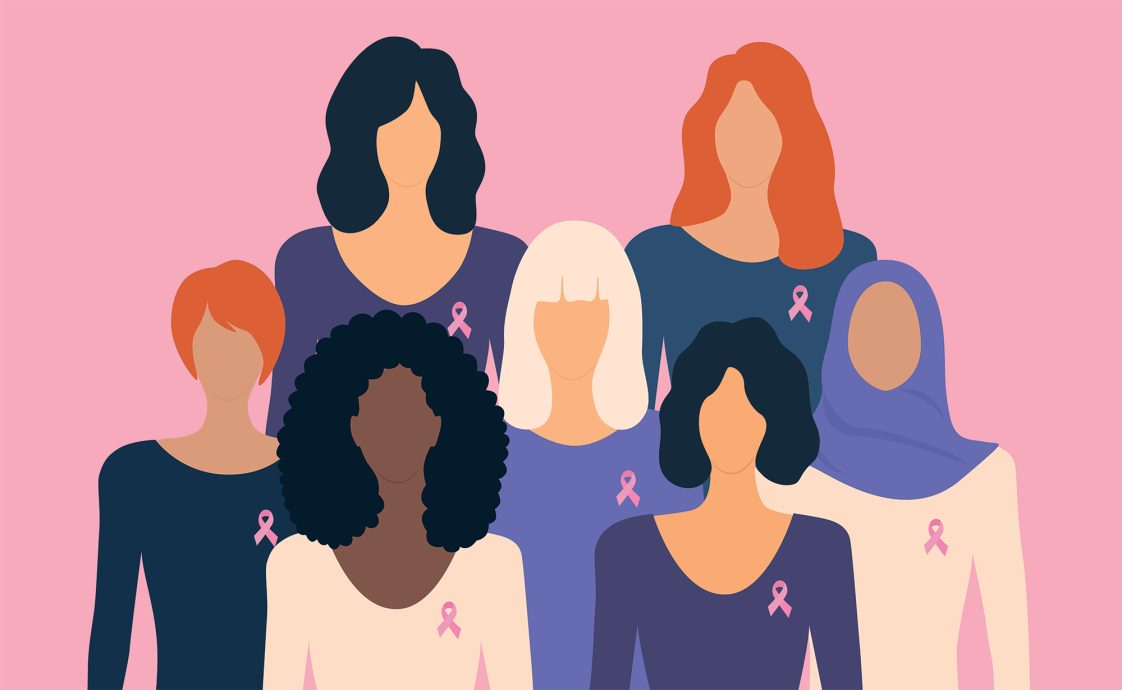
Good health during breast cancer treatment is essential for the body to heal and function properly. Common side effects of treatment, such as nausea, vomiting, insomnia, and fatigue, can be a part of a patient’s daily routine.
Navigate through these challenging times more effectively by following these helpful tips.
- Eat frequent meals. Five or six small meals a day may be idea for your body to get the nutrients it needs. An example of a small meal would be 3 ounces of grilled salmon on top of 2 cups of mixed greens with 2 tablespoons of low-fat salad dressing and 3 nonfat whole grain crackers. Treatment-related side effects such as nausea may be reduced. Getting enough calories, protein, and key nutrients will help you maintain energy levels.
- Remember that weight matters. Weight gain or weight loss is common with breast cancer treatment. Although strict dieting is not recommended, weight gain may result from some treatments. Try to maintain a healthy weight. Health care providers should be made aware of any significant weight changes so they can investigate the cause and refer you to a registered dietitian if needed.
- Maintain a balanced diet. Food choices are important during cancer treatments. A well-balanced diet is essential for overall healing and recovery. Consuming adequate amounts of fruits and vegetables, whole grains, and protein-rich foods is key to helping you feel better and maintaining your strength. Dietary Guidelines for Americans recommends the following:
- 1 1⁄2 cups of fruit
- 2 to 3 cups of vegetables
- 6 ounces grains (3 should be whole)
- 5 to 6 ounces of protein
- Antioxidants, which are found in fruits and vegetables, can help fight cancer. The more colorful they are, the more nutrients they provide. Whole grains are a great source of fiber, and fiber is needed to avoid constipation, a side effect of some cancer drugs. Lean proteins, such as boneless chicken breast and fish, help the body’s immune system recover from illness and repair cells and tissue. Also, limit your intake of red meats and processed meats.
- Be active. Physical activity can be beneficial before, during, and after breast cancer treatment. The type and stage of your cancer treatment and your overall physical health can affect your ability to exercise. Talk with your health care provider before engaging in any exercise to make sure you are physically able to begin. Start slowly. Being active for only a few minutes daily can help you. Your body will tell you when to slow down, rest, and do more.
- Get enough sleep. Getting enough sleep is key to good physical and mental health, especially during cancer treatments. Getting enough rest restores energy, mood, and overall well-being. Helpful tips include avoiding caffeine after lunch and going to bed and getting up at the same time every day. Avoid having the TV on just before bedtime. Physical activity, meditation, and limiting daytime naps can help tremendously. Everyone’s breast cancer journey is unique. Making healthy lifestyle choices, such as being active, eating a balanced diet, and getting enough sleep, can make a difference in how you feel and react to treatment.
Resources
- Susan G. Komen. Diet and Nutrition During Breast Cancer Treatment. 2023
- American Cancer Society
- United States Department of Agriculture Dietary Guidelines for Americans
 Elaine Softley, Human Sciences Regional Extension Agent, Family and Child Development, Auburn University
New December 2023, Tips for Good Health During Breast Cancer Treatment, FCS-2754