
Beef

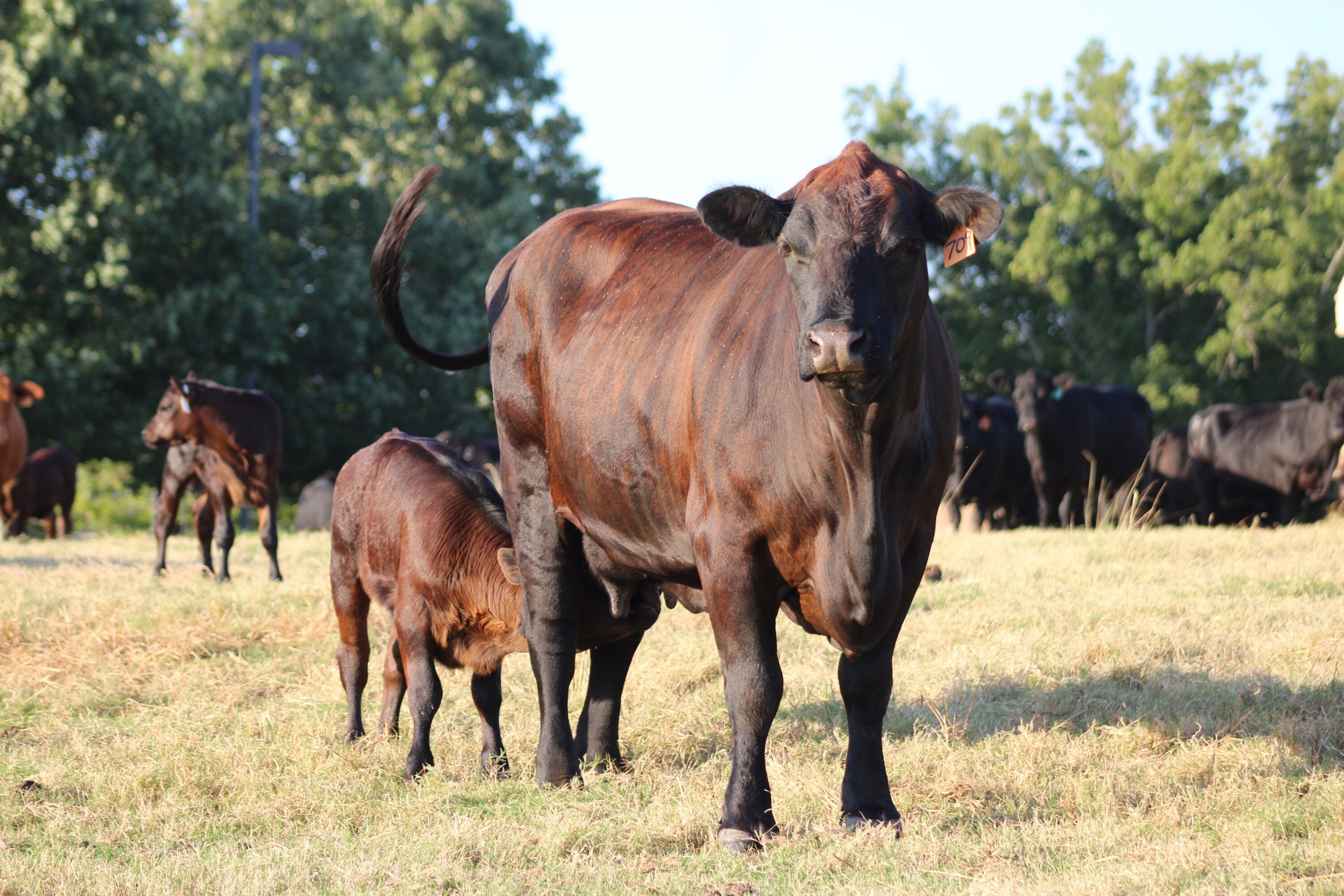
Alabama Extension’s Animal Sciences and Forages team delivers practical, research-based education in livestock production and pasture management, helping producers improve forage quality, animal performance, and farm profitability.
 Program Summary Highlights
Livestock and forage systems are central to Alabama agriculture, supporting farm profitability, rural communities, and responsible stewardship of land and water resources across the state. In 2025, the Animal Sciences and Forages Extension team delivered coordinated, science-based programming that strengthened forage-based livestock systems through an integrated focus on grazing and forage management, weed control, nutrient stewardship, animal performance, and value-added marketing.
Through hands-on field experiences, targeted workshops, digital learning opportunities, and one-on-one consultations, Extension professionals translated research into practical management strategies producers could apply with confidence. Team efforts emphasized whole-farm decision-making, recognizing the close connection among forage productivity, livestock performance, and long-term economic resilience.
Alabama Forage Focus Program
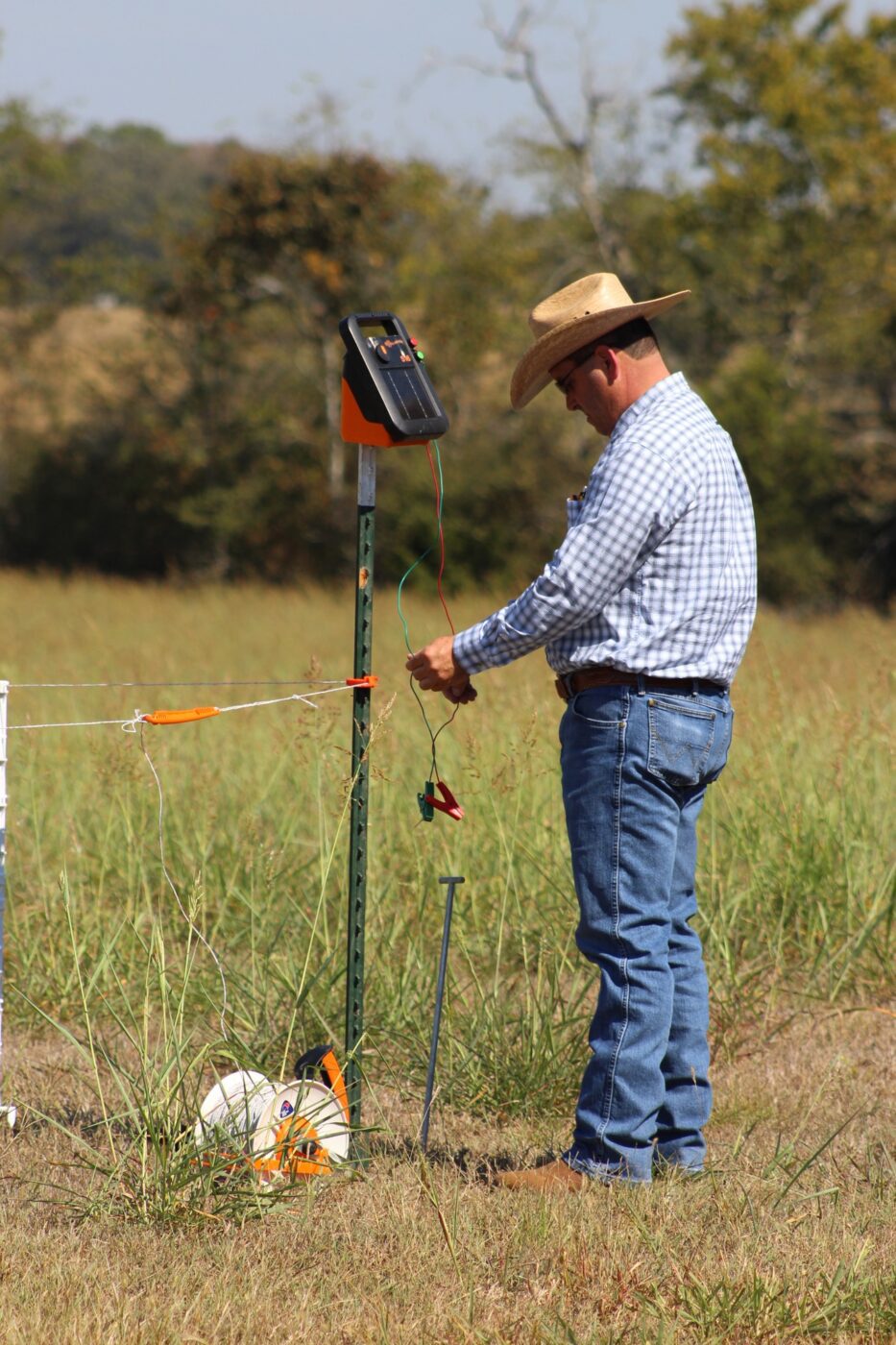
In 2025, the Alabama Forage Focus Program delivered six major events reaching approximately 2,700 participants, including six field days hosted at Alabama Agricultural Experiment Station research centers across the state. Programming emphasized rotational grazing, forage assessment, soil fertility, weed management, and temporary fencing strategies.
Producers reported increased knowledge and confidence in forage establishment and grazing management, with many planning to adopt or expand rotational grazing systems and increase forage testing. These changes support extended grazing seasons, improved forage quality, and reduced reliance on purchased feed.
 Sustainable Livestock Systems Program
The Sustainable Livestock Systems Program delivered integrated education through the Beef Systems Short Course, County Cattlemen’s Association meetings, a hands-on Artificial Insemination School, and online digital content reaching 5,367 participants.
The Horse Management Field Days emphasized the importance of understanding body condition scoring, pasture management, how to read a feed tag, and how to create a first aid kit for the barn. Participants reported that the quality of information delivered in the program either exceeded or far exceeded their expectations, and that this was their first time attending an Extension program.
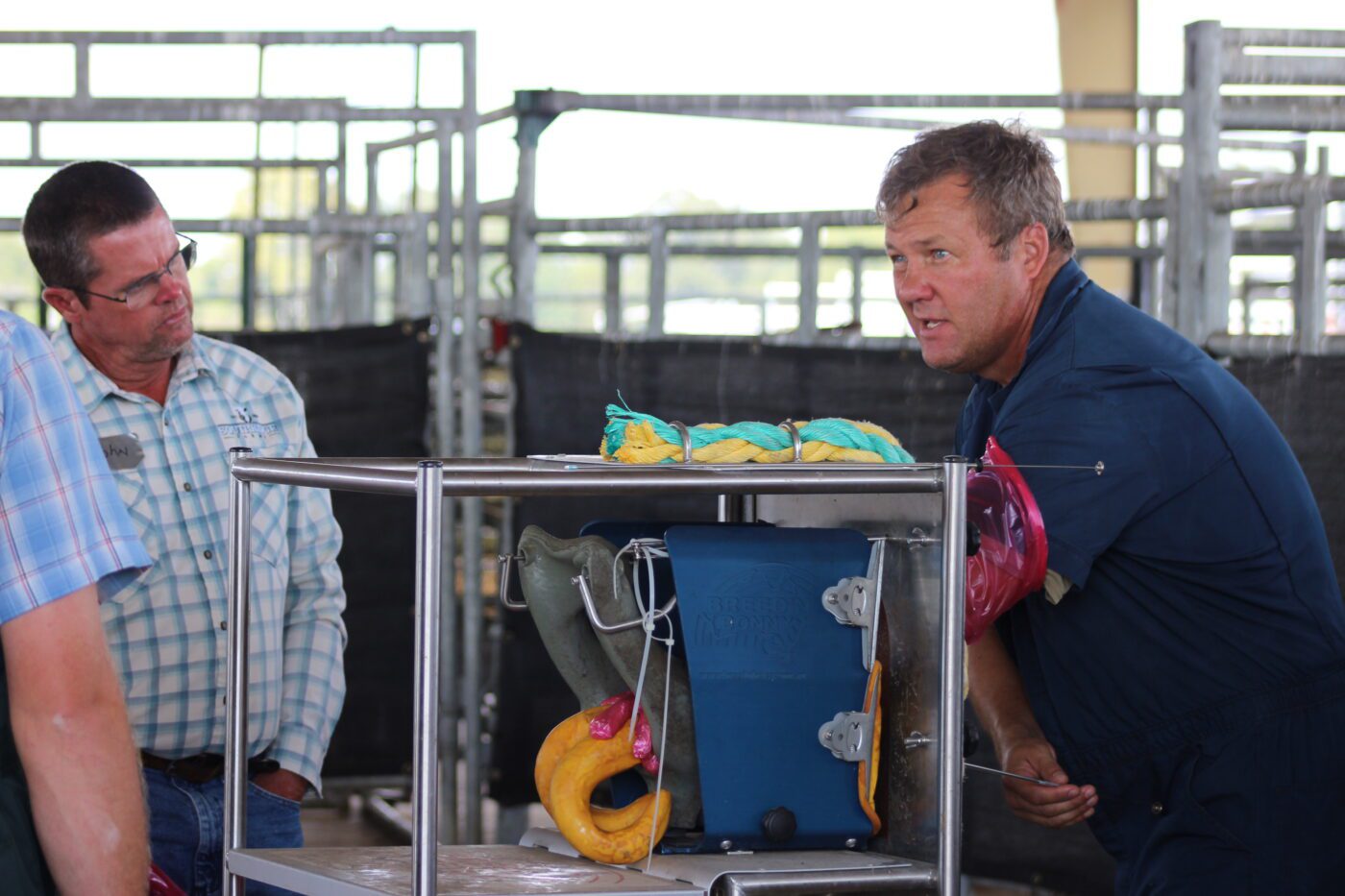
The Bovine Artificial Insemination (AI) School combined classroom instruction with extensive hands-on practice in reproductive anatomy, semen handling, heat detection, estrous synchronization, and artificial insemination technique, while emphasizing the role of nutrition in reproductive success. More than 80 percent of participants reported a significant increase in confidence applying reproductive management practices. Collectively, planned management changes are expected to improve conception rates, tighten calving seasons, and enhance overall herd productivity across participating operations.
Beef Cattle Performance Programs to Enhance Profitability (BCIA)
 The Alabama beef cattle industry plays a significant role in the state’s economy, generating more than $700 million annually and supporting more than 1.18 million head of cattle. The Alabama Beef Cattle Improvement Association (BCIA) is a program within the Alabama Cooperative Extension System. It promotes the use of performance data, record keeping, and value-added marketing opportunities. Outreach and educational resources are delivered through the Alabama BCIA website, social media, and direct communications, reaching nearly 18,000 contacts annually.
The Alabama BCIA Commercial Record Keeping Program gives producers hands-on experience using an internet-based system to evaluate herd performance. Since 2016, more than 36,000 calves have been recorded, and participating herds have consistently demonstrated competitive weaning weights relative to national and regional benchmarks. In 2025, 36 herds enrolled, representing more than 3,700 calves, with average adjusted 205-day weaning weights exceeding 560 pounds.
To encourage comprehensive herd evaluation, the Alabama BCIA Performance Advocate Program recognizes producers collecting whole-herd data across six key management areas. In 2025, eight herds achieved perfect performance scores, including several with sustained excellence over multiple years. Alabama BCIA also supports seed stock evaluation and marketing through the North Alabama Bull Evaluation Center and associated bull sales. Over the past decade, nearly 1,000 bulls have been marketed, generating more than $3.5 million in economic impact. In addition, the Herdbuilder Replacement Female Sale has marketed more than 7,600 bred heifers since 1998, creating more than $11.7 million in economic impact and adding value for both buyers and sellers across the state.
 Weed Management & Pasture Systems Support
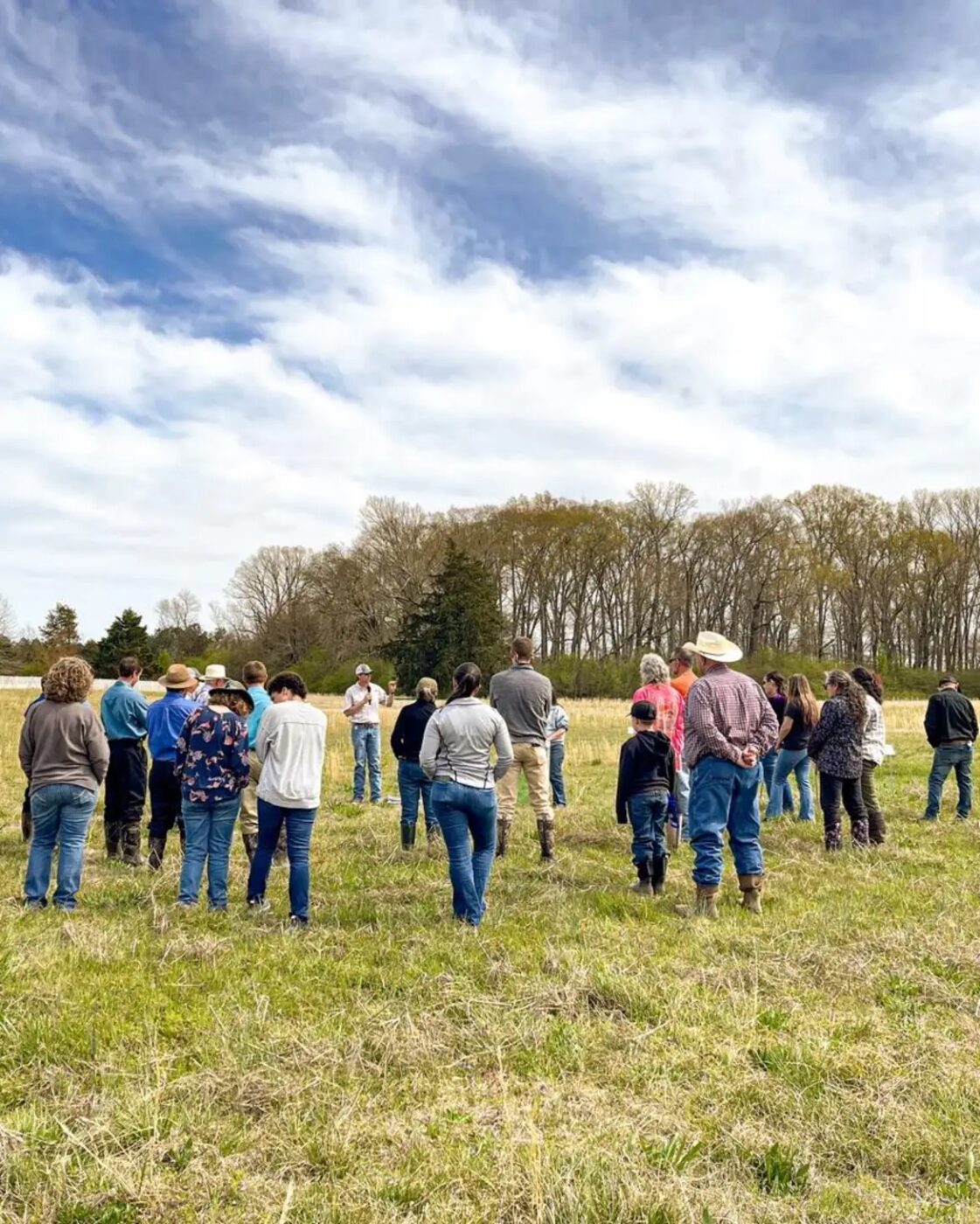
Since 2019, clientele across seven Alabama regions, representing all 67 counties, consistently list weed management recommendations, weed species identification, or herbicide selection as their top two priority needs. For forage systems alone, this represents more than 4 million acres across the state. With an additional 30,000+ lane miles of state-maintained highways, it is evident that vegetation management programming is essential in the state and region.
Practical demonstrations and delivery of research-based practices reached more than 1,300 individuals in 2025 through at least 22 statewide events. These included two in-service trainings, seven field days, nine structured stakeholder meetings, two webinars, two formal classroom lectures, and many additional one-on-one farm visits. Collectively, these engagements have educated and supported clientele and stakeholders interested in integrated weed management and control of troublesome weed species. Feedback from these outreach efforts consistently reports that more than 85 percent of attendees plan to implement weed management practices on their farms. In one pasture workshop alone, more than 1,030 acres were represented among 18 respondents, who reported increases of 94 percent and 83 percent in weed identification and pasture management knowledge, respectively.
Clientele and other beneficiaries have reported that this statewide program has improved herbicide product selection and application timing. Our educational efforts have helped individuals properly identify troublesome species, become more confident in sprayer calibration, and gain knowledge of herbicide stewardship, resulting in operational cost savings. By engaging directly with community influencers, the program has expanded its public reach through their personal testimonies and referrals.
 Animal Waste and Nutrient Management
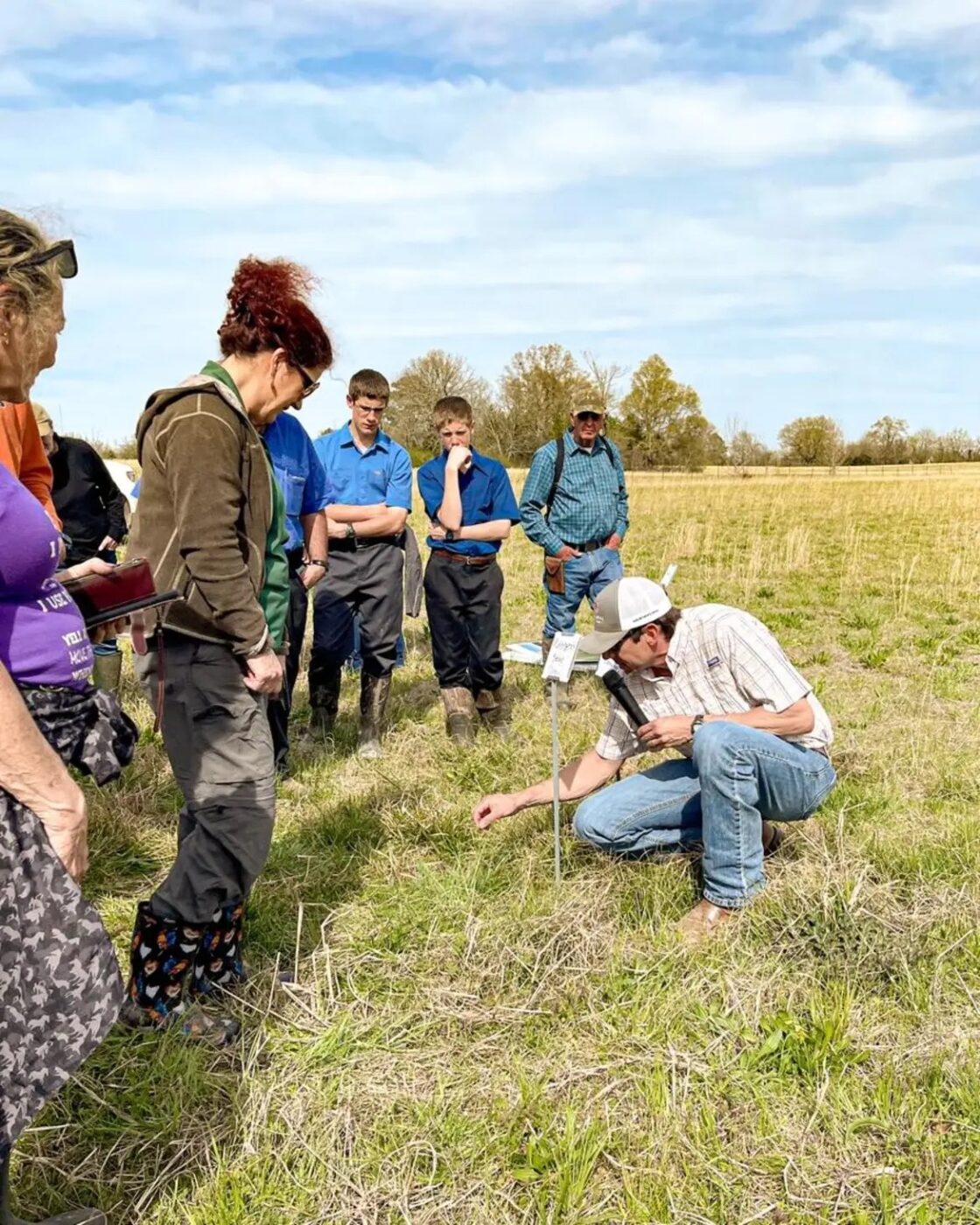
The Animal Waste and Nutrient Management Program provided science-based education and demonstrations to a wide audience in Alabama, improving phosphorus management, stakeholder knowledge, conservation planning, and long-term soil and water protection. The program launched the Phosphorus Saturation Ratio (PSR), a new tool that uses Mehlich‑3 extractable elements to better assess soil phosphorus needs, now implemented statewide through Auburn University’s Soil Testing Laboratory.
Efforts included 17 presentations for more than 300 individuals, participation at four field days, nine Extension articles, one podcast, and a dedicated session for more than thirty Certified Crop Advisers.
Three demonstration farms showcased conservation practices with edge-of-field monitoring, helping refine the Phosphorus Index and ensuring that nutrient management tools align with on-farm realities and environmental risks.
Supporting Resources for Counties
In addition to direct producer programming, the Animal Sciences and Forages Extension team supported county agents through consistent, research-based resources. web-based technical materials, online courses, and quarterly enewsletters that strengthened local programming efforts, while centralized event promotion through the Alabama Extension calendar improved coordination and visibility across counties.
By strengthening forage-based livestock systems, the Animal Sciences and Forages Extension team supports the economic viability of Alabama producers while protecting soil and water resources. Improved management practices enhance food security, promote environmental stewardship, and build public confidence in livestock agriculture across the state.

 Leanne Dillard, Extension Specialist, Associate Professor, Animal Sciences, Auburn University
New May 2026, Animal Sciences & Forages 2025 Team Impact Report, ANR-3254