
Lawn & Garden
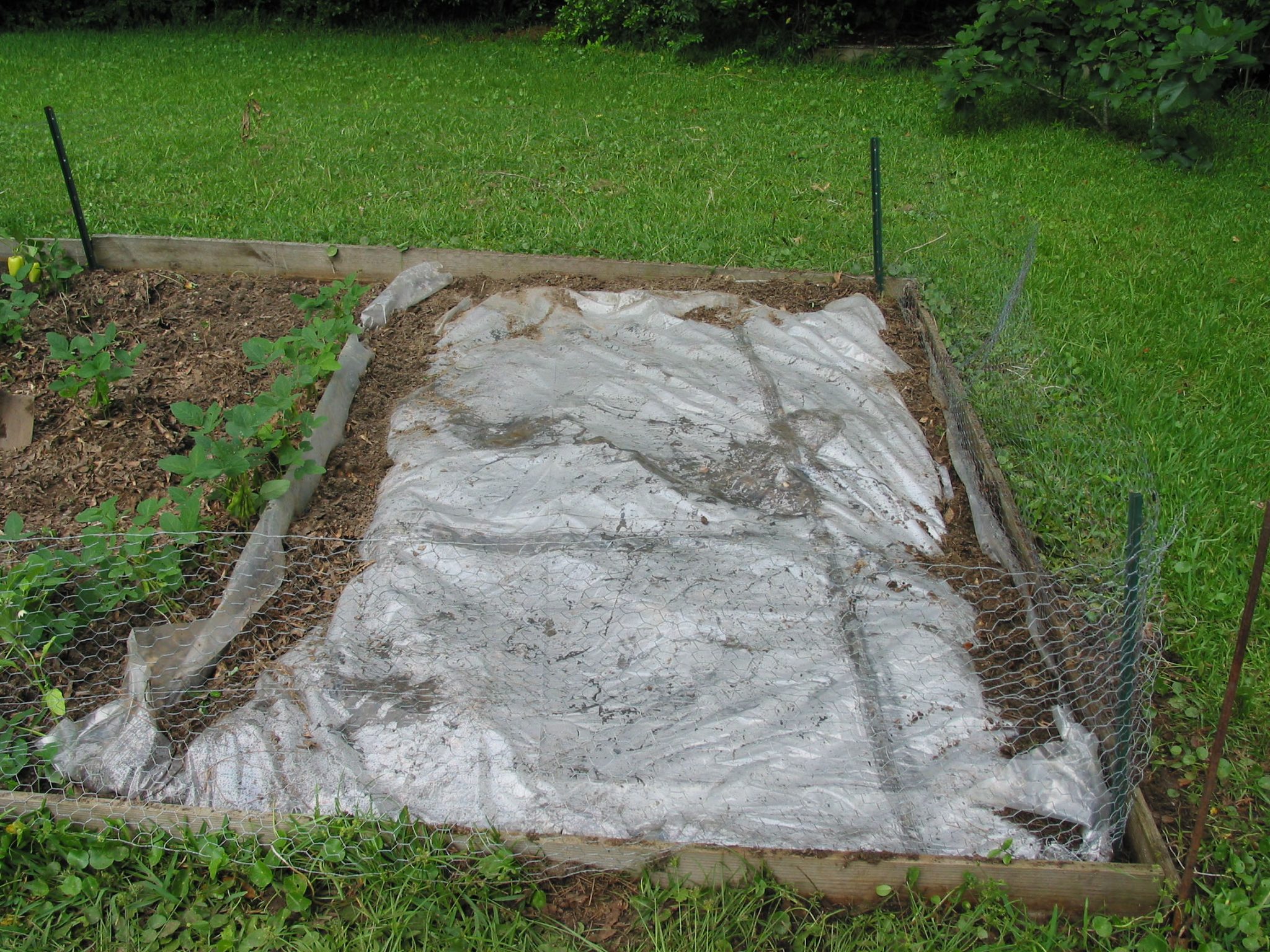
Effective control of plant parasitic nematodes, soilborne plant pathogens, and some weed pests is a serious challenge for farmers and home gardeners.
Effective control of plant parasitic nematodes, soilborne plant pathogens, and some weed pests is a serious challenge for farmers and home gardeners. Resistant varieties, crop rotation, and pesticides are not always viable control options for these destructive pests. Fear of pesticides and an interest in organic farming methods highlight the need for alternative methods of controlling damaging nematodes, soilborne fungi, and bacteria (table 1).
Table 1. Diseases and Nematodes Controlled by Soil Solarization
| Disease | Crop |
|---|---|
| Verticillium wilt | Tomato, potato, eggplant, cotton, strawberry |
| Fusarium wilt | Tomato, melon, onion, cotton |
| Southern stem rot | Peanut |
| Rhizoctonia seedling disease (sore shin and damping off) | Potato, onion, bean |
| Crown gall | Walnut |
| Phytophthora root rot | Ornamentals |
| Nematodes (lesion, root knot, reniform, cyst, sting, ring, stuby root, dagger) | Various crops |
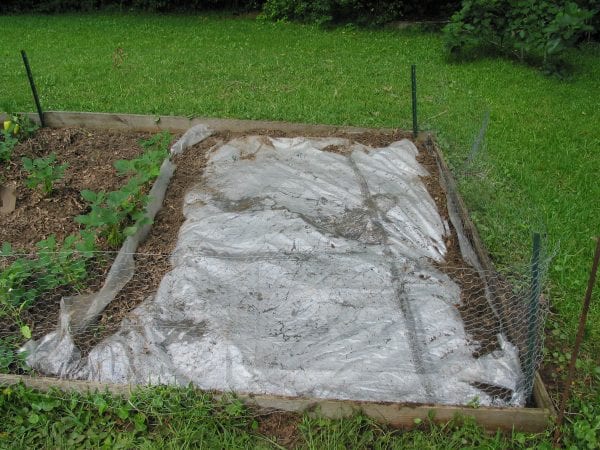
Figure 1. Soil solarization can provide good weed control in home and commercial vegetable production.
Soil solarization is a simple, safe, and effective alternative to costly soil pesticides and the lengthy crop rotations needed to control many damaging soil pests. This procedure may provide good weed control in situations, particularly home and commercial vegetable production, where effective herbicides are unavailable.
Radiant heat from the sun is the lethal agent involved in soil solarization. A clear polyethylene mulch or tarp is used to trap solar heat in the soil. The mulch should be 1 to 4 mil in thickness (1 mil = 0.001 inches). Thicker mulch will retain heat in the soil better than thinner material. Over several weeks to a few months, soil temperatures become high enough to kill many of the damaging soil pests and weed seed to a depth of up to 6 to 8 inches.
None of these pests will be eradicated from the treated area, but their numbers in the plow layer (top 6 to 8 inches) will be greatly reduced, allowing successful production of a crop in that year. Weed control will not carry over to the next year either unless the solarization treatment is repeated. In sandy or sandy loam soils, nematodes may survive at depths below the lethal temperature zone. As a result, deep-rooted crops may show some damage, but those with shallow root systems should escape serious injury.
Soil Preparation
Commercial producers familiar with fumigation using products such as metam sodium (Vapam) can easily adopt soil solarization. This technique can easily be used by home gardeners as well. The soil to be solarized must be worked up to seed-bed condition— that is, cultivated until it’s loose and friable with no large clods or other debris on the soil surface. A rotary hoe or rototiller will eliminate clods and other debris that can create air pockets that will reduce heating of the soil and keep the tarp from fitting tightly over the soil surface. A clean, flat surface will also prevent the accidental puncturing of the mulch by debris.
Soil Moisture
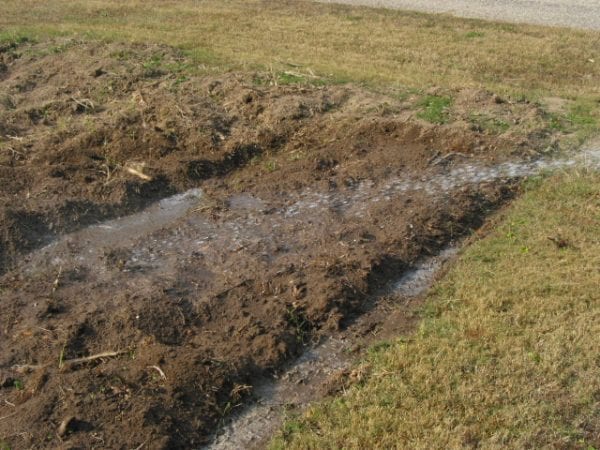
Figure 2. Water dry areas to be solarized before putting down the tarp.
Make sure moisture levels are adequate for working the soil before installing the mulch. If the soil is dry, water the areas to be solarized before laying the mulch because most soil pests are more sensitive to high temperatures in wet soil than they are in dry soil. When possible, lay a soaker hose or drip irrigation lines under the tarp to maintain moisture levels during soil solarization.
Plastic Mulch
Use a clear, UV-stabilized plastic (polyethylene or polyvinyl chloride) mulch 1 to 4 mils thick. The material must be flexible enough to stretch across the soil surface. If your mulch is thin, use two layers of mulch. This will increase the overall effectiveness of your solarization treatment. The edges of the sheets must be buried to a depth of 5 or 6 inches in the soil to prevent blowing or tearing of the mulch by the wind.
White or black plastic will not transmit enough solar radiation to raise soil temperatures to required lethal levels for many soil pests. Thinner sheets (0.5 to 1 mil) are less costly, but they tear and puncture more easily. Thicker plastic sheets (2 or more mils) should be used where damage from high winds or similar problems is likely. Patch holes or tears immediately with duct tape to prevent heat loss.
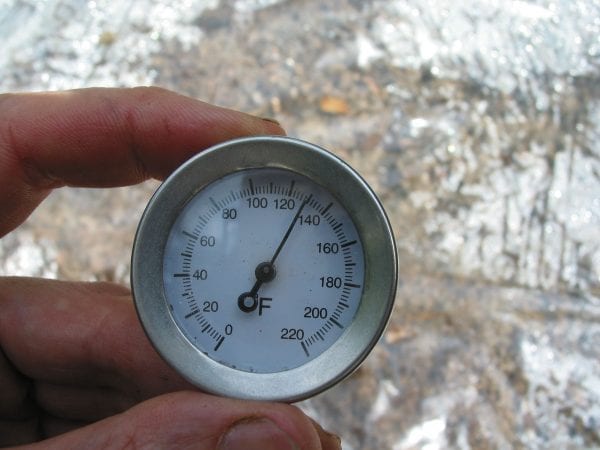
Figure 3. Hot, sunny days help temperatures reach the level required to kill soilborne pests and weed seed; 140 degrees F is lethal.
Plastic mulches may be laid by hand or machine in a continuous sheet using glue or heat as a sealant and in strips over flat or raised beds. The use of continuous sheets is the best method for disease and nematode control because the entire area is solarized. Plastic strips, 2 to 3 feet wide, are often more convenient and economical for many bed-grown vegetable crops.
In raised beds, the edges of mulches laid over these beds must be buried in the adjoining furrows. Expect some increase in pest and weed problems along these edges. Because this mulch is clear, you need to paint the mulch white with latex paint (1 paint:5 water) to decrease the soil temperature, otherwise, you will damage young seedlings and transplants.
After solarizing, do not cultivate these treated areas because healthy weed seed will be brought to the soil surface.
Timing
Long, hot, sunny days are needed to reach the soil temperatures required to kill soilborne pests and weed seed. The longer the soil is heated, the better and deeper the control of all soil pests and weeds will be. During Alabama’s hot summers, a period of 4 to 6 weeks should be all that is needed to control nematodes and soilborne plant pathogens.
Other Benefits
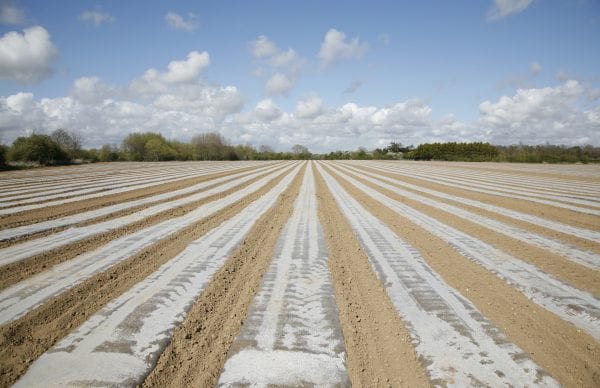
Figure 4. Soil solarization can be an effective alternative to costly pesticides and lengthy crop rotations.
Controlling damaging soil fungi, bacteria, and nematode pests with soil solarization can cause increases in growth and yield beyond expected levels. Some increases in yield may result from the control of usually minor and often unnoticed diseases. Also, populations of beneficial, growth-promoting, and pathogen-antagonistic bacteria and fungi quickly recolonize solarized soil, adding a biological control component to soil solarization. Plant pathogenic fungi weakened by high soil temperatures are more susceptible to these antagonists.
Rhizobium bacteria are also sensitive to high soil temperatures, but reduced nodulation of the roots of legumes, such as peas or beans, in solarized soils should be temporary. Improved soil tilth and the increased availability of essential plant nutrients, such as nitrogen, calcium, and magnesium, may also account for increases in plant growth following soil solarization.
Soil solarization will tie up land for a period of 1 to 3 months. Commercial growers and gardeners must plan to pull areas out of production sometime during the period when solarization is possible. The benefits of higher crop yields and quality with greatly reduced pesticide use, particularly for gardeners, may far outweigh the cost and inconvenience associated with soil solarization.
Austin Hagan, Extension Plant Pathologist, Professor, Entomology and Plant Pathology; Kerry Smith, Administrator, Outreach Programs, Home Grounds, Gardens, and Home Pests; and Ed Sikora, Extension Specialist, Professor, Entomology and Plant Pathology, all with Auburn University
Revised December 2021, Soil Solarization for Control of Nematodes & Soilborne Diseases, ANR-0713