
Forestry & Wildlife
Invasive Plant Gallery
1 min read

Through 2026 Year of Invasive Plants project, Alabama Extension is raising public awareness about invasive plants and their impacts throughout Alabama. The following is a gallery of invasive species that will be featured through the project, as well as links to more information on the species and control methods. Learn more about the project and how to get involved at aces.edu/go/YearofInvasivePlants.
January
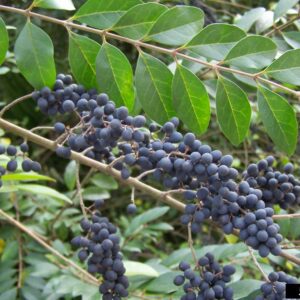
- Control Options for Chinese Privet
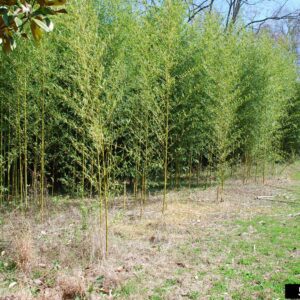
- Bamboo Growth and Control
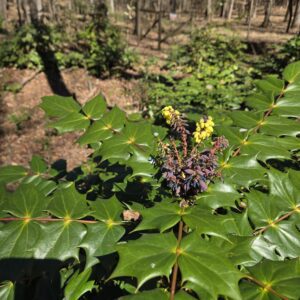
- Leatherleaf Mahonia Identification and Control
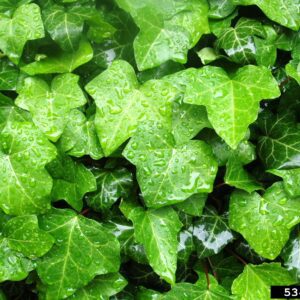
- English Ivy Identification and Control
-
-
Chinese privet (Ligustrum sinense)
Photo by Karan A. Rawlins, University of Georgia, Bugwood.org
-
-
Golden bamboo (Phyllostachys aurea)
Photo by Nancy Loewenstein, Auburn University, Bugwood.org
-
-
Leatherleaf mahonia (Berberis bealei)
Photo by Nancy Loewenstein, Auburn University
-
-
English ivy (Hedera helix)
Photo by Jan Samanek, Phytosanitary Administration, Bugwood.org
February
-
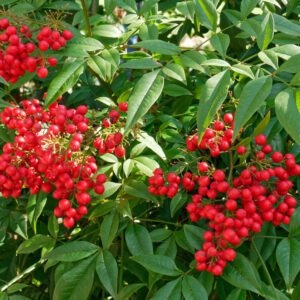
- Nandina (Nandina domestica)
-
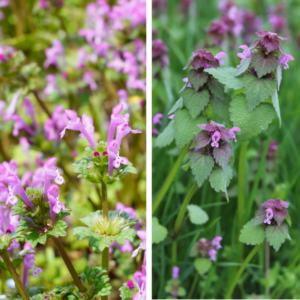
- Left: Henbit Deadnettle (Lamium amplexicaule) and Right: Purple Deadnettle (Lamium purpureum)
-
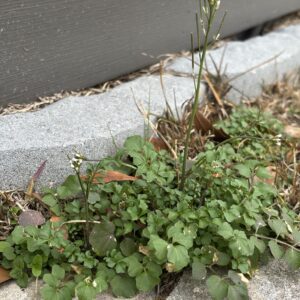
- Hairy bittercress (Cardamine hirsuta)*
-
-
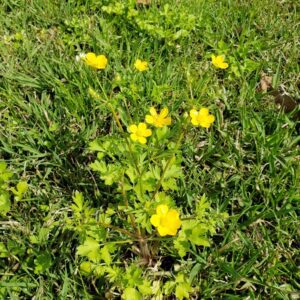
Non-Native Buttercups (Ranunculus spp.)**
Photo by Alvin Diamond, Troy University
*Hairy bittercress is a low threat to native ecosystems but a challenge in lawns, gardens, and nurseries.
**Non-native buttercups are mostly low threats to native ecosystems but are challenges in pastures, crop fields, and sometimes in home landscapes.
March
-
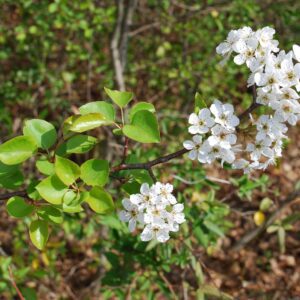
- Callery pear (Pyrus calleryana)
-
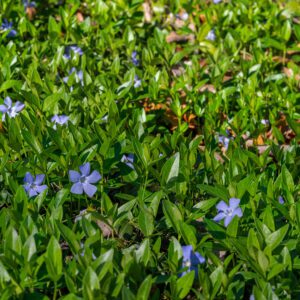
- Periwinkle (Vinca major and Vinca minor)
-
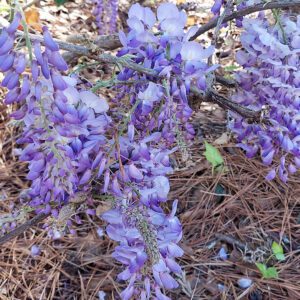
- Non-Native Wisteria (Wisteria sinensis and Wisteria floribunda)
-
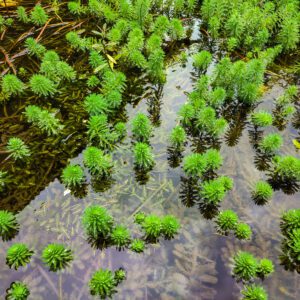
- Parrot feather (Myriophyllum aquaticum)
-
-
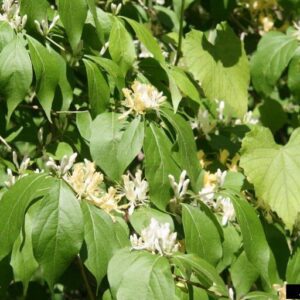
Amur honeysuckle (Lonicera maackii)
Photo by Chris Evans, University of Illinois, Bugwood.org