









Upcoming Events:

- Full Calendar -

Metro News

Metro News logo

Green Spaces Add Value to our Lives

By Wendi Williams, Editor & Extension Communications Specialist

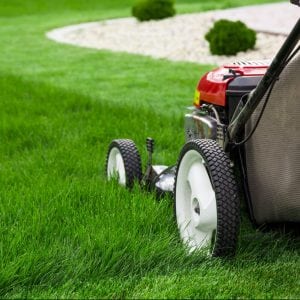
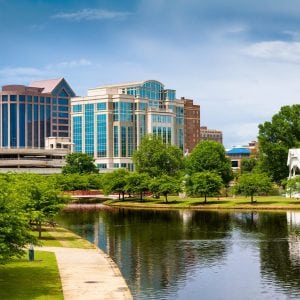
Green SpacesEach year more and more people are moving to urban areas. According to the United Nations, the number of people living in urban areas worldwide is expected to rise nearly 50 to 70% by the year 2050. The downside is that heavily populated areas become hotbeds for environmental pollution, flash floods, or rising air temperatures (Lee & Maheswaran, 2010). Urbanization also means a reduction in wildlife habitats. But there is a solution! The creation of urban green spaces not only improves the environment, but they also help to improve our physical and emotional well-being.

The world’s forests are known to clean air, water, and soil, and to regulate climate changes (EEA, 2010). However, green spaces in metropolitan areas also provide many benefits.

  • Green spaces create natural habitats for wildlife, including birds, insects, and other living organisms.
  • Green spaces help to prevent soil erosion from rainwater runoff after storms.
  • Green spaces limit the heat island effect that occurs when mortar, stone, concrete, metal, and asphalt absorb heat from the sun. The heat is eventually released, which causes air temperatures to rise.
  • Green spaces provide places for people to congregate, play, exercise, or rest. Social green spaces create a sense of community and security, and may even promote spiritual growth.
  • Green spaces attract big business and big business creates jobs and reduces unemployment.
  • Green spaces help to raise property value.
  • Green spaces help to reduce crime by encouraging graffiti-free areas.
  • Green spaces increase tourism.
  • Green spaces help to produce healthy foods through community or urban gardens.
  • Green spaces improve air quality and noise pollution by the careful planting of trees.
  • Green spaces also hide busy thoroughfares.

While there are other benefits to creating green environments, the bottom line is that people generally feel better and are more likely to become physically active when they have access to green spaces. Green spaces add value to our lives.

References

Lee, A. C. K., & Maheswaran, R. (2010, September 10). The health benefits of urban green spaces: A review of theevidence. Retrieved April 10, 2012, from http://jpubhealth.oxfordjournals.org/content/33/2/212.full.pdf+html.

Mills, S. (2011, May 24). The benefits of green space. Retrieved April 10, 2012, from http://www.ratracetrap.com/the-rat-race-trap/the-benefits-of-green-space.html.

Project EverGreen. (n.d.). Environmental benefits of green spaces. Retrieved April 10, 2012, from http://projectevergreen.com/why-green-matters/environmental-benefits/.

Virginia Cooperative Extension. (2009). The value of landscaping. Publication 426-721. Virginia Gardener. Retrieved April 10, 2012, from http://pubs.ext.vt.edu/426/426-721/426-721_pdf.pdf.